
Many people assume that losing weight requires an expensive gym membership, intense workout routines, or hours of lifting weights. But is that really true?
The good news is that, yes, you can reduce weight without ever stepping into a gym. In fact, healthy weight loss often begins with simple lifestyle changes that fit naturally into your daily routine—such as improving your eating habits, staying active at home, managing stress, and getting enough rest.
The truth is, sustainable weight loss is not only about exercise; it’s about creating healthy, consistent habits that support your body physically, mentally, and spiritually.
Whether you are a busy parent, a working professional, or someone trying to improve your health on a budget, there are practical and effective ways to lose weight without relying on gym equipment or fitness centres.
In this article, you’ll discover practical, research-backed, and faith-conscious strategies to help you reduce weight naturally and sustainably.
We’ll cover:
- How nutrition plays a major role in weight loss
- Simple home-based physical activities that burn calories
- The importance of sleep, stress management, and consistency
- Healthy habits that support long-term weight management
- How faith and self-discipline can encourage a healthier lifestyle
- Bottomline
Ready to learn how small daily choices can make a big difference in your health journey? Let’s explore how you can begin reducing weight, starting with the role of nutrition in this journey.
How nutrition plays a major role in weight loss
Nutrition is one of the most important factors in reducing weight.
In fact, many health experts agree that what you eat has a greater impact on weight loss than exercise alone. If your goal is to lose weight without going to the gym, improving your eating habits is the best place to start.[1]

One of the simplest ways to begin is by reducing highly processed foods and sugary drinks. Foods high in sugar, unhealthy fats, and refined carbohydrates often lead to overeating because they do not keep you full for long.
Replacing them with whole foods such as fruits, vegetables, legumes, whole grains, nuts, and lean proteins can help your body feel satisfied while naturally reducing calorie intake.
For example:
- Choose water instead of sugary sodas
- Replace fried snacks with fruits or nuts
- Eat smaller portions and avoid late-night overeating
- Include more fibre-rich foods to stay fuller longer
You might be wondering whether this means you have to follow a strict diet. Not necessarily.
Healthy weight loss is usually more sustainable when it involves gradual lifestyle changes instead of extreme restrictions. Small daily improvements often lead to lasting results. Even preparing meals at home more frequently can help you become more mindful of what you eat.
The Bible also reminds us that our bodies matter:
“Therefore, whether you eat or drink, or whatever you do, do all to the glory of God” (1 Corinthians 10:31, NKJV).
Caring for your body through healthy eating can be viewed as an act of stewardship and gratitude.
But nutrition alone is only one part of the equation. Movement still matters, and the good news is, you do not need a gym to stay active.
Simple home-based physical activities that burn calories
You do not need expensive equipment or a personal trainer to burn calories effectively.
Many everyday activities can help you stay active and support weight loss from the comfort of your home or neighbourhood.
Walking is one of the simplest and most effective exercises available. A brisk 30-minute walk each day can improve cardiovascular health, burn calories, and boost mental well-being. If possible, try walking to nearby shops, taking the stairs, or adding short walks throughout your day.
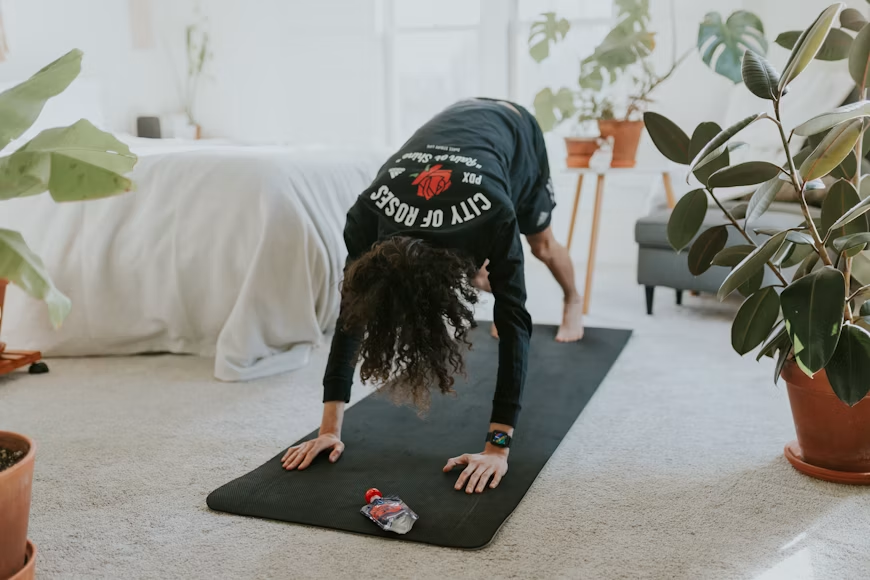
There are also many home-based exercises that require little or no equipment, such as:
- Skipping rope
- Bodyweight squats
- Push-ups
- Dancing
- Jogging in place
- Stretching exercises
- Household chores like cleaning or gardening
The key is consistency rather than intensity. You do not have to exercise for hours to see progress. Even 15–30 minutes of regular activity each day can make a noticeable difference over time.
For busy professionals and parents, this approach can feel far more realistic than trying to maintain a demanding gym schedule. Instead of viewing exercise as a complicated task, think of movement as a natural part of daily living.
Here’s the thing: physical activity also affects your mental and emotional health. Exercise releases chemicals in the brain that improve mood and reduce stress. And that leads us to another important factor many people overlook when trying to lose weight.
The importance of sleep, stress management, and consistency
Many people focus only on food and exercise while ignoring sleep and stress. However, poor sleep and chronic stress can make weight loss much harder.[2]

When you are stressed, your body produces higher levels of cortisol, a hormone linked to increased appetite and weight gain. Stress can also lead to emotional eating, where people turn to unhealthy foods for comfort. Likewise, lack of sleep affects hunger hormones, making you crave sugary or high-calorie foods more often.
That is why managing stress and getting enough rest are essential parts of healthy weight loss.
Here are a few practical ways to improve your overall well-being:
- Aim for 7–8 hours of sleep each night
- Reduce screen time before bed
- Spend time outdoors when possible
- Practice prayer and quiet reflection
- Avoid overloading your schedule unnecessarily
- Create realistic health goals instead of chasing perfection
Consistency is especially important. Many people become discouraged because they expect instant results. But healthy weight loss is usually gradual. Some weeks may show visible progress, while others may not. What matters most is continuing with healthy habits even when motivation fades.
The Bible encourages patience and perseverance in all areas of life:
“And let us not grow weary while doing good, for in due season we shall reap if we do not lose heart” (Galatians 6:9, NKJV).
Sustainable health changes often require that same steady mindset.
As you build consistency, another important question arises: how can you maintain these habits for the long term instead of returning to old patterns?
Healthy habits that support long-term weight management
Long-term weight management is less about temporary diets and more about building a healthier lifestyle. Quick fixes may produce short-term results, but lasting transformation usually comes through daily habits repeated over time.
One helpful strategy is creating routines that make healthy choices easier.

For example:
- Plan meals ahead of time
- Keep healthy snacks available at home
- Drink enough water throughout the day
- Set regular times for meals and sleep
- Track progress without becoming obsessive
- Celebrate small improvements along the way
It is also important to avoid comparing yourself with others. Every person’s body, metabolism, and health journey is different. Social media often promotes unrealistic expectations that can lead to frustration or discouragement.
Instead, focus on progress rather than perfection.
You may lose weight more slowly without intense gym routines, but slow and steady progress is often healthier and easier to maintain. Building habits gradually helps your body and mind adapt in sustainable ways.
Community support can also make a difference. Sharing your goals with trusted friends, family members, or faith communities can provide encouragement and accountability during difficult moments.
But beyond routines and habits, there is another powerful source of strength that can support lasting change: your spiritual mindset.
How faith and self-discipline can encourage a healthier lifestyle
Weight loss is not only physical; it can also involve emotional and spiritual growth. Developing healthier habits often requires self-control, patience, discipline, and hope—qualities that faith can help strengthen.[3]
The Bible teaches the value of self-discipline in many areas of life:
“Whoever has no rule over his own spirit is like a city broken down, without walls” (Proverbs 25:28, NKJV).
This reminds us that self-control protects and strengthens us.
Faith can also shift your motivation from appearance alone to overall well-being. Instead of pursuing unrealistic beauty standards, you can focus on honouring God by caring for your body, improving your health, and gaining energy to serve others more effectively.
Prayer can also help during moments of discouragement or emotional eating. When stress, anxiety, or frustration become overwhelming, turning to God can bring peace and renewed strength.
You do not have to approach your health journey alone.
Sometimes the greatest transformation begins with small, faithful choices repeated day after day. Choosing water instead of soda. Taking a short walk instead of remaining inactive. Preparing a healthier meal. Going to bed earlier. These simple actions may seem small individually, but over time they can lead to meaningful change.
Bottomline
Yes, it is absolutely possible to lose weight without visiting the gym.
By improving your nutrition, staying active through simple daily movement, managing stress, getting enough sleep, building sustainable habits, and relying on faith-driven discipline, you can make steady progress toward better health.
Remember, lasting weight loss is rarely about extreme methods. It is about consistency, balance, and caring for your body in practical ways that fit your lifestyle.
No matter where you are starting from, small steps can lead to big results over time.
Want to continue exploring Bible-based guidance for healthy living, personal growth, and balanced living? Explore more articles on The Cleaver’s Health and Wellness Section and discover practical answers to life’s everyday challenges.
Citations
- Cox, C. E. (2017). Role of Physical Activity for Weight Loss and Weight Maintenance. Diabetes Spectrum: A Publication of the American Diabetes Association, 30(3), 157. https://doi.org/10.2337/ds17-0013
- Figorilli, M., Velluzzi, F., & Redolfi, S. (2025). Obesity and sleep disorders: A bidirectional relationship. Nutrition, Metabolism and Cardiovascular Diseases, 35(6), 104014. https://doi.org/10.1016/j.numecd.2025.104014
- Koenig, Harold G., Tyler J. VanderWeele, and John R. Peteet, ‘Understanding the Religion–Physical Health Relationship’, Handbook of Religion and Health, 3rd edn (New York, 2024; online edn, Oxford Academic, 23 Nov. 2023), https://doi.org/10.1093/oso/9780190088859.003.0031, accessed 27 May 2026


Consistency over intensity. Great read here. I am struggling with my weight loss journey, this just added some tips. Thanks you
LikeLiked by 1 person
Welcome Roberto… The best is yet to come 🫴…
LikeLike