Most discussions about body weight tend to be skewed towards weight loss. What about weight gain?
There are people struggling with weight gain, and they need a healthy way to gain a reasonable weight that matches their age and height. The big question remains how to do it in a healthy and sustainable way.

Many people assume that gaining weight requires an expensive gym membership, a personal trainer, or hours of lifting heavy equipment. But is that really the whole picture?
The good news is that, yes, you can gain weight without ever stepping into a gym. In fact, healthy weight gain often begins with simple but intentional changes to your daily habits, particularly what you eat, how often you eat, how well you rest, and how consistently you move your body at home.
Whether you are underweight due to illness, a fast metabolism, stress, or simply years of undereating, there are practical and effective ways to gain weight without relying on a gym. In this article, you will discover research-backed, faith-conscious strategies to help you gain weight naturally and sustainably.
We will cover:
- Why nutrition is the foundation of healthy weight gain
- Simple home-based physical activities that support muscle building
- The role of sleep, stress management, and consistency in gaining weight
- Healthy habits that support long-term weight maintenance
- How faith and self-discipline can anchor a healthier lifestyle
- Bottomline
Ready to learn how small, consistent daily choices can make a real difference? Let us begin with the most important factor in this journey: what you eat.
Why nutrition is the foundation of healthy weight gain
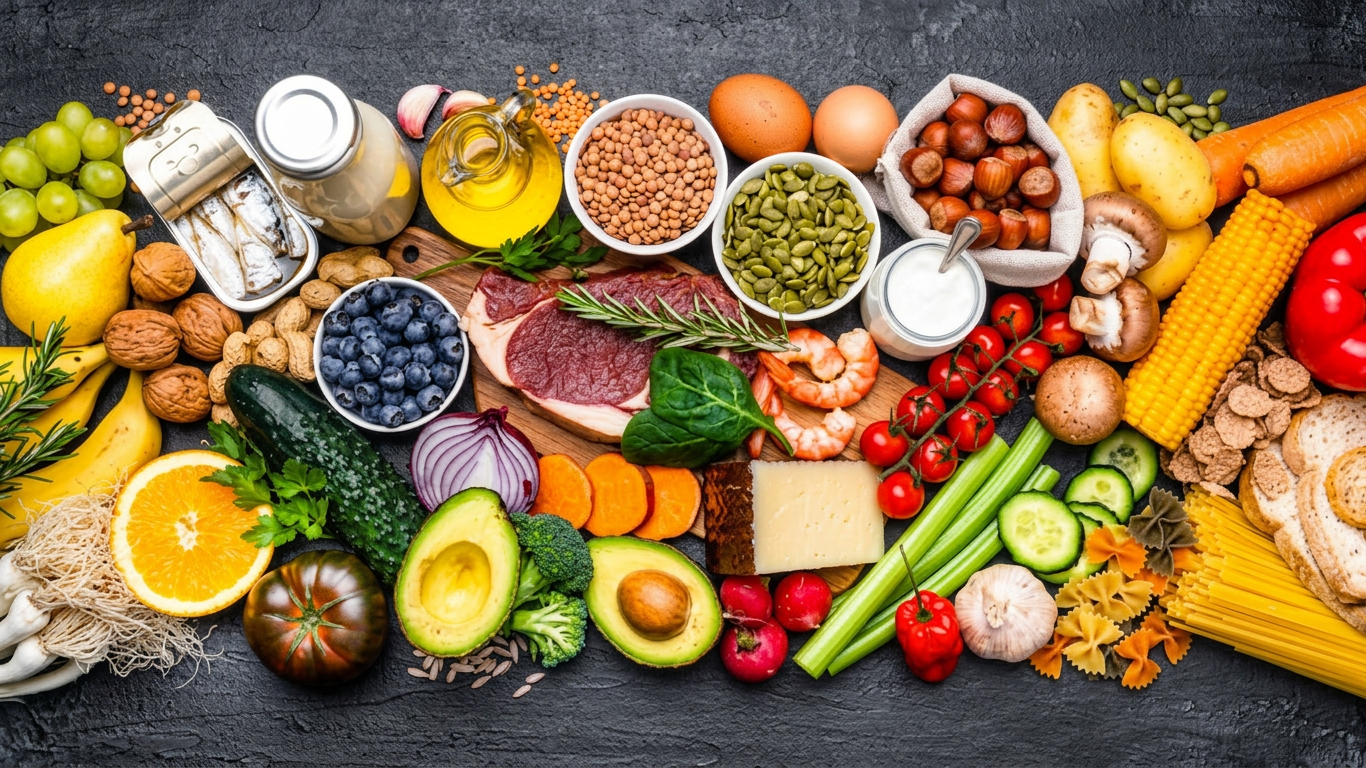
Just as poor nutrition drives weight loss, good nutrition drives weight gain. If your goal is to gain weight without going to the gym, improving what and how much you eat is the most powerful place to start.
Research consistently shows that a sustained calorie surplus, combined with adequate protein intake, is the primary driver of lean mass gain.[1] In practical terms, this means eating more calories than your body burns each day, with a particular focus on nutrient-dense foods rather than empty calories.
The goal is not simply to eat more of everything. Filling up on processed snacks, sugary drinks, and fried foods will add weight, but mostly as fat, leaving the body heavier but no healthier. The aim is to gain weight in a way that nourishes the body and builds it up.
Here are some practical steps to begin increasing your calorie intake in a healthy way:
- Eat more frequently. Instead of three large meals, aim for five to six smaller meals and snacks throughout the day. This keeps the body in a consistent state of nourishment and makes it easier to consume the additional calories needed for gain.
- Choose calorie-dense, nutrient-rich foods. Avocado, groundnuts, full-fat milk, eggs, sweet potato, brown rice, whole grain bread, and legumes such as lentils and beans are excellent choices. These foods are high in calories but also packed with the vitamins, minerals, and protein the body needs to grow.
- Prioritise protein at every meal. Protein is the building block of muscle tissue. Without adequate protein, additional calories are more likely to be stored as fat rather than used for building lean mass. Aim to include a protein source such as eggs, milk, fish, legumes, or groundnuts at every meal.
- Do not skip breakfast. As we discussed in a previous article, skipping breakfast deprives the body of the fuel it needs most. For someone trying to gain weight, missing the morning meal means losing one of the most important opportunities to nourish the body.
- Add healthy fats. Fats are the most calorie-dense macronutrient, providing more than twice the energy of protein or carbohydrate per gram. Avocado, coconut, groundnut butter, and full-fat dairy are easy and affordable ways to increase calorie intake without having to eat large volumes of food.
The Bible reminds us that our bodies are worthy of care:
"Therefore, whether you eat or drink, or whatever you do, do all to the glory of God" (1 Corinthians 10:31, NKJV).
Eating intentionally and nourishing the body you have been given is not indulgence. It is stewardship.
Nutrition is essential, but food alone cannot do everything the body needs for healthy weight gain. Movement also plays a key role, and the good news is that you do not need a gym for it.
Simple home-based physical activities that support muscle building
You do not need a gym membership or expensive equipment to begin building muscle.
Many effective resistance exercises can be performed at home using your own body weight, and they work just as well for stimulating muscle growth as gym-based training, provided they are done consistently.
The principle behind muscle gain is straightforward. When you place a muscle under load, either through resistance training or bodyweight exercise, small tears form in the muscle fibres. When you rest and eat enough protein, those fibres repair and grow slightly larger than before. Over time, this repeated process produces visible and measurable changes in muscle size and strength.

Here are some effective home-based exercises to support lean weight gain:
- Push-ups. These work the chest, shoulders, and triceps and can be progressed by changing the angle, width of the hands, or slowing down the movement.
- Bodyweight squats. Squats are one of the most effective exercises for building the large muscles of the legs and glutes. They require no equipment and can be done anywhere.
- Lunges. Another excellent lower-body exercise that builds muscle and improves balance at the same time.
- Plank variations. These build core strength and engage muscles across the entire body.
- Resistance band exercises. A simple resistance band, which is inexpensive and widely available, can add load to almost any bodyweight exercise and significantly increase the stimulus for muscle growth.
- Carrying and lifting in daily tasks. Carrying heavy shopping, firewood, or water containers, gardening, and other physical household tasks all place a load on the muscles and contribute to overall physical conditioning.
The key is progressive overload, gradually increasing the difficulty of your exercises over time, whether by adding more repetitions, slowing down the movement, or increasing resistance. This is what keeps the muscle-building stimulus alive as your body adapts.
Aim for at least three sessions of resistance-focused exercise per week. Each session does not need to be long. Twenty to thirty minutes of focused, consistent effort is sufficient to support muscle growth when paired with adequate nutrition and rest.
Physical activity and nutrition together create the right conditions for weight gain. But there is a third factor that many people overlook, and neglecting it can quietly undo all the effort put into eating and exercise.
The role of sleep, stress management, and consistency in gaining weight
Sleep is not passive recovery. It is one of the most active processes in the body, and it is during sleep that the real work of muscle building happens.
A study published in the Journal of Physiology found that sleep restriction significantly reduced muscle protein synthesis rates, even when participants were consuming adequate calories and performing resistance exercise.[2] In other words, you can eat the right foods, train consistently, and still fail to gain lean mass if you are not sleeping enough. The body builds muscle during sleep, not during exercise. Exercise provides the stimulus. Sleep and nutrition provide the raw materials and the time needed to act on it.
For someone trying to gain weight, getting seven to eight hours of quality sleep each night is not a luxury. It is a non-negotiable part of the process.
Chronic stress works against weight gain in a similar way. Elevated cortisol, the primary stress hormone, is catabolic, meaning it breaks down muscle tissue rather than building it. A person who is eating well and exercising regularly but living under persistent stress may find their gains slow or stalled, because the body cannot simultaneously be in a state of repair and a state of alarm.
Here are practical ways to manage stress and protect your sleep during your weight gain journey:
- Aim for seven to eight hours of sleep each night and protect that window as seriously as you protect your meal times.
- Establish a calming evening routine. Reduce screen time before bed and allow the nervous system to wind down before sleep.
- Practice prayer and quiet reflection daily. The practice of bringing your concerns to God, rather than carrying them alone, has a measurable effect on the body’s stress response.
- Avoid overcommitting your schedule. Rest is productive. Treating it as waste is one of the most common reasons progress stalls.
- Set realistic goals. Healthy weight gain is slow. Expecting rapid results leads to frustration, and frustration leads to abandoning the process.
The Bible speaks to the kind of peace that makes rest possible:
"Do not be anxious about anything, but in every situation, by prayer and petition, with thanksgiving, present your requests to God. And the peace of God, which transcends all understanding, will guard your hearts and your minds in Christ Jesus" (Philippians 4:6-7, NIV).
That peace is not only spiritual. It creates the physiological conditions in which the body is free to grow.
Once the foundations of nutrition, movement, and rest are in place, the question becomes how to keep them in place long enough to produce lasting change.
Healthy habits that support long-term weight maintenance
Long-term weight gain is not about a two-week eating challenge or a month of intense exercise. It is about building a lifestyle that consistently provides the body with more than it needs to maintain its current weight, and doing so in a way that is sustainable, enjoyable, and aligned with your values.
Quick approaches to weight gain, such as eating junk food in large quantities or taking unregulated supplements, may add numbers to the scale in the short term but do not produce the kind of healthy, functional weight that supports long-term wellbeing.
Here are habits that support lasting, healthy weight gain:
- Plan meals ahead of time. Spontaneous eating rarely produces the calorie surplus needed for weight gain. Planning meals the evening before ensures you have the right foods available and removes the temptation to skip meals when the day gets busy.
- Track your progress without becoming obsessive. A simple record of what you are eating and how your body is responding can help you identify patterns and adjust your approach. However, tracking should inform your choices, not control them.
- Keep calorie-dense snacks accessible. Groundnuts, dried fruit, full-fat yoghurt, and whole-grain crackers are easy options to keep within reach. Eating a small, calorie-rich snack between meals adds up significantly over time.
- Drink calories as well as eating them. Full-fat milk, a banana smoothie with groundnut butter, or a mug of uji made with milk and sugar are efficient ways to increase calorie intake without having to eat large volumes of solid food.
- Be patient with the process. Healthy weight gain is typically slow, around 0.25 to 0.5 kg per week. Faster gain is possible but tends to favour fat rather than lean mass. Slow, consistent progress is more valuable and easier to maintain.
- Community and accountability also matter here. Sharing your goals with trusted friends, a faith community, or a family member who can encourage you during difficult weeks makes consistency far more achievable.
Beyond habits and routines, there is a deeper source of strength that can sustain this journey when motivation fades: your faith.
How faith and self-discipline can anchor a healthier lifestyle

Weight gain, like weight loss, is not only a physical journey. It requires patience, self-discipline, and a willingness to keep going when the results are not immediately visible. These are precisely the qualities that faith develops.[3]
Ellen G. White, writing in Counsels on Health, states:
“A diet lacking in the proper elements of nutrition brings reproach upon the cause of health reform. We are mortal and must supply ourselves with food that will give proper nourishment to the body.” —Counsels on Health, p.135
That statement speaks as directly to the person who is under-nourishing their body as it does to anyone else. Failing to eat enough is not a virtue. It is a form of neglect that the body registers in fatigue, weakness, and the slow erosion of capacity.
Faith also shifts the motivation behind the journey. Instead of pursuing weight gain to meet a social standard or to look a certain way, you can pursue it as an act of care for the body God entrusted to you. That motivation is quieter and more durable than appearance-based goals. It does not collapse when progress is slow.
Prayer can also anchor the daily practice. When the discipline of consistent eating and rest feels tedious, when motivation dips, or when discouragement sets in after a week of no visible change, prayer brings perspective and renewed commitment that willpower alone cannot sustain.
The Bible places the body within the context of purpose:
"Do you not know that your bodies are temples of the Holy Spirit, who is in you, whom you have received from God? You are not your own; you were bought at a price. Therefore honour God with your bodies" (1 Corinthians 6:19-20, NIV).
Honouring God with your body includes feeding it well, resting it adequately, and building it up with patience and intention. Weight gain, pursued in that spirit, becomes more than a physical goal. It becomes an act of worship.
Bottomline
Yes, it is absolutely possible to gain weight without visiting the gym.
By building a consistent calorie surplus through nutrient-dense foods, supporting muscle development through home-based resistance exercise, prioritising sleep and managing stress, developing sustainable daily habits, and rooting the entire process in faith-driven discipline, you can make steady and meaningful progress toward a healthier weight.
Remember that sustainable weight gain is rarely fast. It requires consistency, patience, and genuine care for the body you have been given. No matter where you are starting from, small, faithful steps repeated over time produce real change.
Want to continue exploring practical, Bible-based guidance for healthy living? Explore more articles in The Cleaver’s Health and Wellness section and discover balanced answers to life’s everyday health questions.
Citations
- Lim JS et al. A calorie surplus with adequate protein and resistance exercise produces lean mass gains: a systematic review. J Int Soc Sports Nutr. 2017;14:33.
- Saner NJ et al. Sleep restriction causes skeletal muscle atrophy during energy balance or a hypercaloric diet. J Physiol. 2020;598(15):3195-3210.
- Koenig HG, VanderWeele TJ, Peteet JR. Understanding the religion-physical health relationship. In: Handbook of Religion and Health. 3rd ed. Oxford Academic; 2023.
- White EG. Counsels on Health. Review and Herald Publishing Association; 1951:135.


Thanks for this it is what I needed .God bless u
LikeLike
Welcome… Have your joy
LikeLike