Did you know that a child can be both stunted and overweight at the same time? Have you seen a family where the mother is gaining weight while her child is clearly not thriving? Have you noticed how some of the cheapest foods available are also the ones most loaded with sugar and fat, while fresh vegetables and proteins remain out of reach for many households?
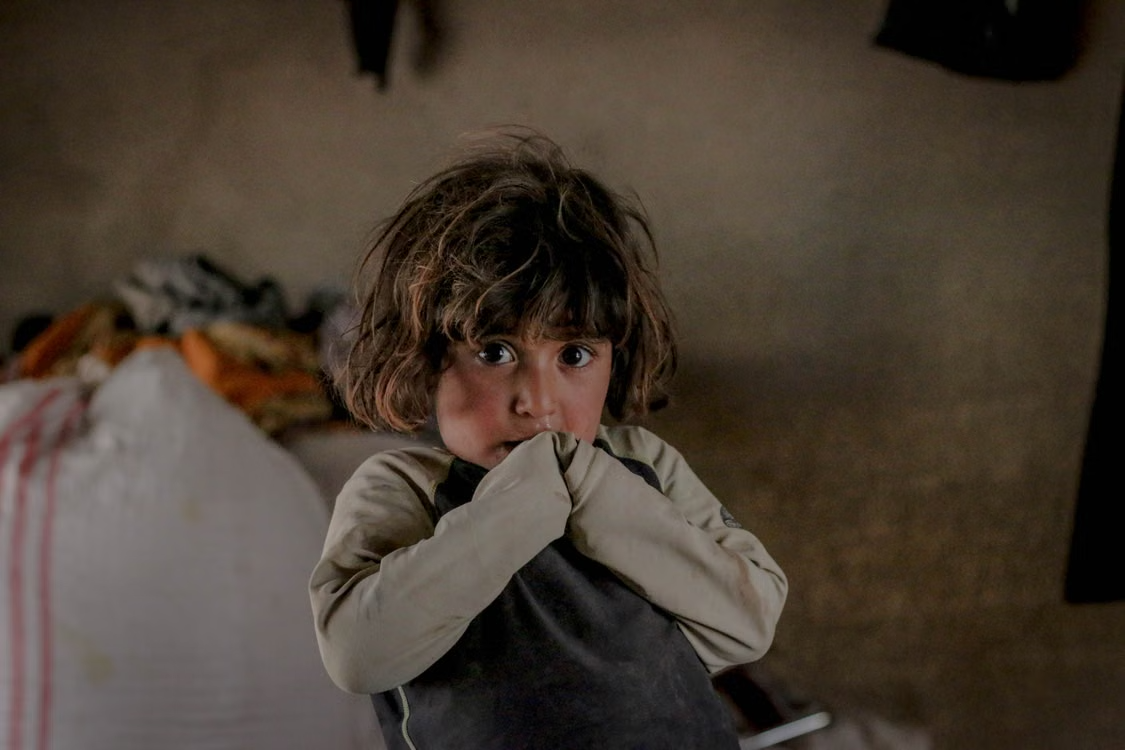
These are not contradictions but are symptoms of the same underlying problem, one that researchers and public health experts now call the triple burden of malnutrition. It is one of the most significant nutrition challenges facing Africa today, and it is almost certainly affecting your community in ways you may not yet have a name for.
This article explains what it is, what drives it, how it affects us, and what each of us can do to be part of the solution.
We will cover:
Let us start with the definition.
What is the triple burden of malnutrition?
The term “triple burden of malnutrition” refers to the coexistence of three distinct nutritional problems within the same population, household, or even the same individual: undernutrition, micronutrient deficiencies, and overnutrition. [1]
What makes this concept both important and counterintuitive is that these three problems are not opposites. They share common underlying causes and can exist simultaneously in the same family, the same neighbourhood, and, increasingly, in the same body.
For decades, nutrition conversations in Africa were dominated by hunger and undernutrition. Then the conversation began to shift toward obesity and diet-related chronic diseases. The triple burden framework acknowledges that we do not have the luxury of addressing these one at a time. All three are present. All three are urgent. And all three are connected.
To understand why, we need to look at each burden on its own.
The three burdens explained

Burden 1: Undernutrition
Undernutrition occurs when the body does not receive enough energy, protein, or nutrients to sustain healthy growth and function.
In children, it manifests as stunting (low height for age), wasting (low weight for height), and underweight. In adults, it appears as low body mass, muscle loss, and compromised immune function.
The WHO estimates that globally, approximately 149 million children under five are stunted, with sub-Saharan Africa and South Asia carrying the highest burden.[2]
In many Kenyan communities, chronic undernutrition remains a serious issue, particularly in arid and semi-arid regions, informal settlements, and households affected by poverty and food insecurity.
Burden 2: Micronutrient deficiencies (hidden hunger)
Micronutrient deficiencies occur when a person consumes enough calories to feel full but lacks sufficient vitamins and minerals.
This is why they are often called hidden hunger: the person does not appear to be starving and may not feel obviously unwell, but the body is quietly running on insufficient iron, zinc, vitamin A, iodine, folate, or other critical nutrients.
In sub-Saharan Africa, iron deficiency anaemia affects up to 60% of children under five and a significant proportion of women of reproductive age. Vitamin A deficiency impairs vision and immune function. Iodine deficiency affects cognitive development. These are not rare edge cases. They are the daily reality for millions of people eating food that fills their stomachs but does not nourish their bodies.
Burden 3: Overnutrition (overweight and obesity)
Talk about malnutrition of more.
Overnutrition occurs when caloric intake consistently exceeds the body’s needs, leading to overweight and obesity. Far from being a problem only in wealthy countries, overweight and obesity are rising rapidly across African cities. [3]
Urban adults in sub-Saharan Africa show an overweight prevalence of approximately 31%, and the numbers continue to climb as food environments shift toward cheap, energy-dense, nutrient-poor options.
Overnutrition drives a different set of consequences: type 2 diabetes, hypertension, cardiovascular disease, certain cancers, and joint problems. These are conditions that were once primarily associated with wealthy, industrialised societies. They are now among the fastest-growing causes of death across the African continent.
Three very different problems. One shared community. And often, one shared dining table.
How it is showing up in African communities
Research published in Nutrients examining 29 sub-Saharan African countries found that the triple burden of malnutrition is present across the region, with the highest prevalence in West Africa and significant rates in East Africa. [4]
One of the most striking findings is that the three burdens coexist not just within the same country or city, but within the same household.
A common pattern is a household where the child is stunted or anaemic while the mother is overweight. This is not paradoxical when you understand the food environment: cheap, filling, energy-dense foods keep the mother in caloric surplus while failing to provide the micronutrients and protein a growing child needs. The calories are there. The nutrition is not.
In Nairobi specifically, rapid urbanisation has created an environment where ultra-processed foods, fried street food, and sugary drinks are widely available and deeply affordable, while fresh vegetables, quality protein, and diverse whole foods often cost significantly more. A household living under financial pressure will frequently feed itself on what it can afford, and what it can afford is rarely nutritionally complete.
The result is a generation growing up simultaneously at risk of stunting, micronutrient deficiency, and obesity, depending on which specific foods are within reach on any given day of the month.
Understanding the pattern is only useful if we also understand what is creating it.
What is driving it?
The triple burden does not arise from individual poor choices. It arises from systems. Three interlocking drivers produce and sustain it.
- Changing food environments.
Urbanisation has transformed what is available, accessible, and affordable. Traditional diets rich in legumes, vegetables, whole grains, and fermented foods are being displaced by ultra-processed foods engineered for palatability, shelf life, and low cost. These foods provide calories efficiently but lack micronutrients. They are designed to be eaten in large quantities. And they are everywhere.
- Poverty and food insecurity.
Food insecurity does not only mean not having enough to eat. It means not having reliable, consistent access to a nutritionally adequate diet. In food-insecure households, decisions are made under pressure, prioritising filling stomachs over nutritional diversity. Both undernutrition and overnutrition can result from the same food insecurity, depending on what is cheapest and most readily available.
- Declining dietary diversity.
Dietary diversity, eating across multiple food groups regularly, is one of the most reliable indicators of nutritional adequacy. Research consistently shows that diets dominated by a single staple crop, ugali, rice, or maize, without sufficient accompaniment of vegetables, legumes, and protein sources, produce micronutrient deficiencies even when caloric needs are met. [5]
The drivers are systemic. But the solutions, at least in part, can be personal. And that is where each of us comes in.
How you can be part of the solution
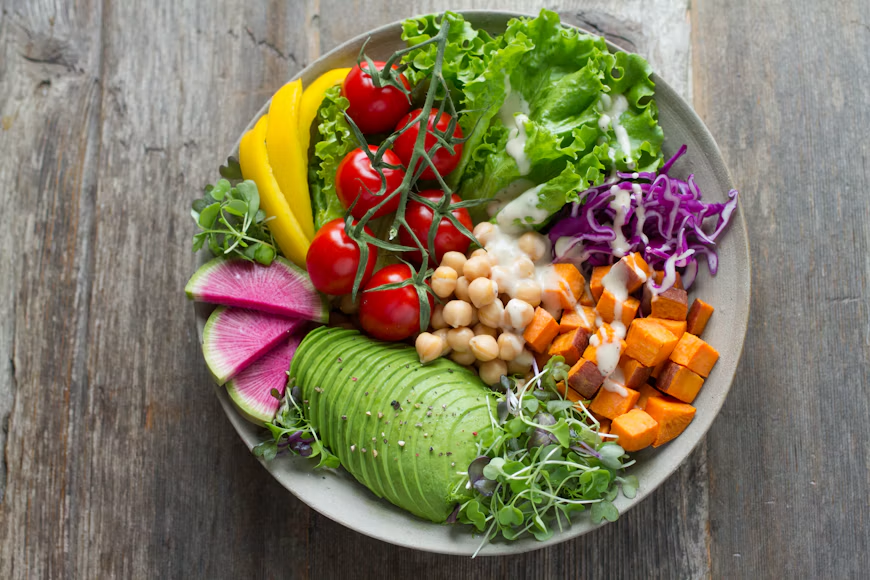
You cannot redesign a food system from your kitchen. But you can make choices that protect your household from all three burdens simultaneously, and you can advocate for broader change in the spaces you occupy.
You can:
- Prioritise dietary diversity over dietary volume. A plate that covers multiple food groups—a carbohydrate, a protein source, vegetables, and a fat—protects against both undernutrition and micronutrient deficiency while keeping overall caloric density in check. Traditional foods are often excellent vehicles for this: beans, lentils, leafy greens, fermented milk, eggs, and seasonal vegetables are affordable and nutritionally dense.
- Understand what is actually in processed foods. Reading nutrition labels is a skill that directly counters the burden of overnutrition. High sugar, high sodium, and high saturated fat content are the markers of foods that drive overnutrition while contributing nothing to micronutrient status. Understanding this reframes the choice: it is not about eating less. It is about eating differently.
- Focus on the first 1,000 days. The period from conception to a child’s second birthday is the most critical nutritional window of a human life. Undernutrition, micronutrient deficiencies, and poor feeding practices during this window have consequences that last decades. If you are a mother, a grandmother, a health worker, or a teacher, understanding and communicating about nutrition in the first 1,000 days is one of the most high-impact contributions you can make.
- Advocate in your community. School feeding programmes, community gardens, nutrition education in churches and community groups, and pressure on local vendors and institutions to provide diverse, affordable food options are all forms of community-level advocacy. The triple burden is a systems problem. Systems change when enough people push.
Bottomline
Understanding the triple burden of malnutrition does not mean you can solve a systemic problem at your dinner table. But it means you can make informed choices for your household, advocate for better food environments in your community, and speak knowledgeably about nutrition to the people around you. In a country where nutrition education remains deeply inadequate, that knowledge is not a small thing.
Three burdens. One food system. And every person who understands the problem is one more person who can help change it.
“My people are destroyed from lack of knowledge” (Hosea 4:6, NIV).
Citations
- Prentice AM. The triple burden of malnutrition in the era of globalisation. Nestle Nutr Inst Workshop Ser. 2023. View on PubMed
- Ahinkorah BO, et al. Prevalence and factors associated with the triple burden of malnutrition among mother-child pairs in sub-Saharan Africa. Nutrients. 2021;13(6):2050. View on PubMed
- Amugsi DA, et al. Profiling household double and triple burden of malnutrition in sub-Saharan Africa. BMC Public Health. 2023. View on PMC
- World Health Organisation. Malnutrition. WHO fact sheet. Updated 2024. View on WHO
- Abeshu MA, Lelisa A, Geleta B. Complementary feeding: review of recommendations, feeding practices, dietary adequacy and adverse outcomes in Ethiopia and globally. Front Pediatr. 2016;4:87. View on PubMed


