
When did ugali become something to apologise for? When did kunde start disappearing from family tables, replaced by instant noodles and white bread?
Have you noticed that the foods your grandmother cooked without a second thought— the pumpkin leaves, the fermented porridge, and the cowpeas—are now considered old-fashioned, while the foods driving a continent-wide rise in diabetes and hypertension are considered modern and aspirational?
There is something deeply ironic about this shift. As African households move away from traditional foods toward ultra-processed alternatives, the rates of micronutrient deficiency, obesity, and diet-related chronic disease are rising simultaneously. The foods we are abandoning are, in many cases, nutritionally superior to the foods replacing them.
And research speaks authoritatively on this.
We will cover:
Let us start with the science, because the nutritional case for traditional African foods is stronger than most people realize.
What is in our traditional foods
Some of the most common traditional African foods in the East African context include:
- Kunde (cowpea leaves or black-eyed pea leaves)
Cowpea leaves are among the most nutrient-dense vegetables available in East Africa and among the most undervalued. Research published in Food Science and Nutrition documents cowpea leaves as rich sources of beta-carotene, iron, calcium, and protein. [1]
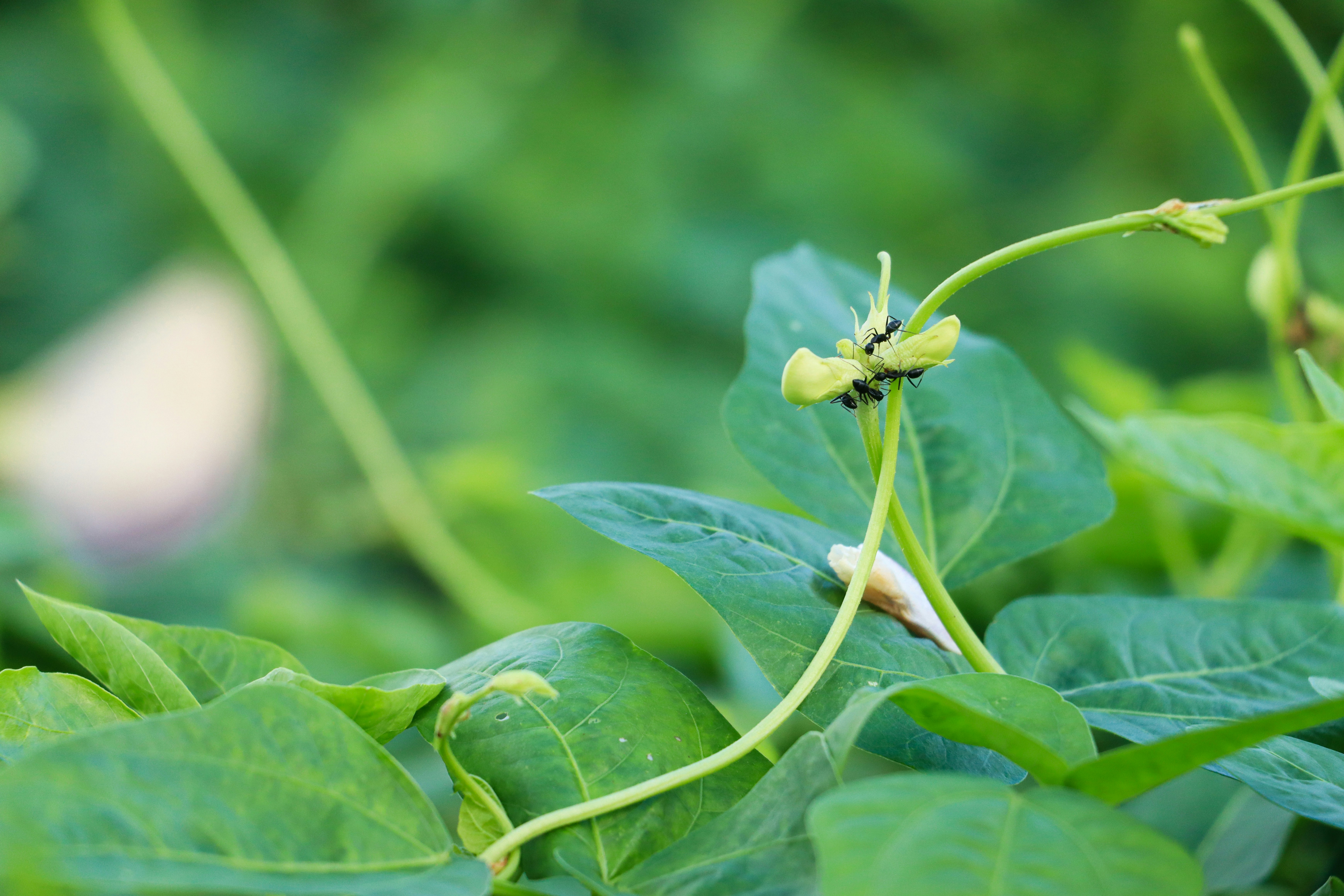
Preserved cowpea leaves contain between 0.17 and 75mg of iron per 100g dry weight, placing them among the highest plant-based iron sources available in the region. They are also high in folate, critical for women of reproductive age, and in dietary fibre, which supports gut health and blood sugar regulation. They cost very little. They grow abundantly. And they are being quietly pushed off the plate.
- Fermented Porridge (Uji)
Uji, the thin fermented porridge made from maize, sorghum, or millet, is a food that many households have replaced with white bread or processed cereals for breakfast. This is a nutritional step backward.
Fermentation increases the bioavailability of nutrients, meaning more of the minerals in the grain actually reach the bloodstream rather than being blocked by antinutrients like phytic acid. [2]
Fermented sorghum and millet uji provide B vitamins, iron, calcium, and digestive benefits from lactic acid bacteria produced during fermentation. The unfermented, processed cereal equivalent delivers calories and very little else.
- Pumpkin leaves
Pumpkin leaves are another African leafy vegetable that research has found to provide more than 75% of the recommended daily allowance of vitamin A per serving, along with significant amounts of calcium, potassium, and iron.[3]

They are available throughout much of Kenya, grow easily in household gardens, and cost almost nothing to produce. Yet they rarely appear on a plate in households aspiring to a more modern diet.
- Cowpeas and legumes
Dry cowpeas, green grams, lentils, and other legumes that have formed the backbone of East African diets for centuries are protein-dense, fiber-rich, and low on the glycemic index.
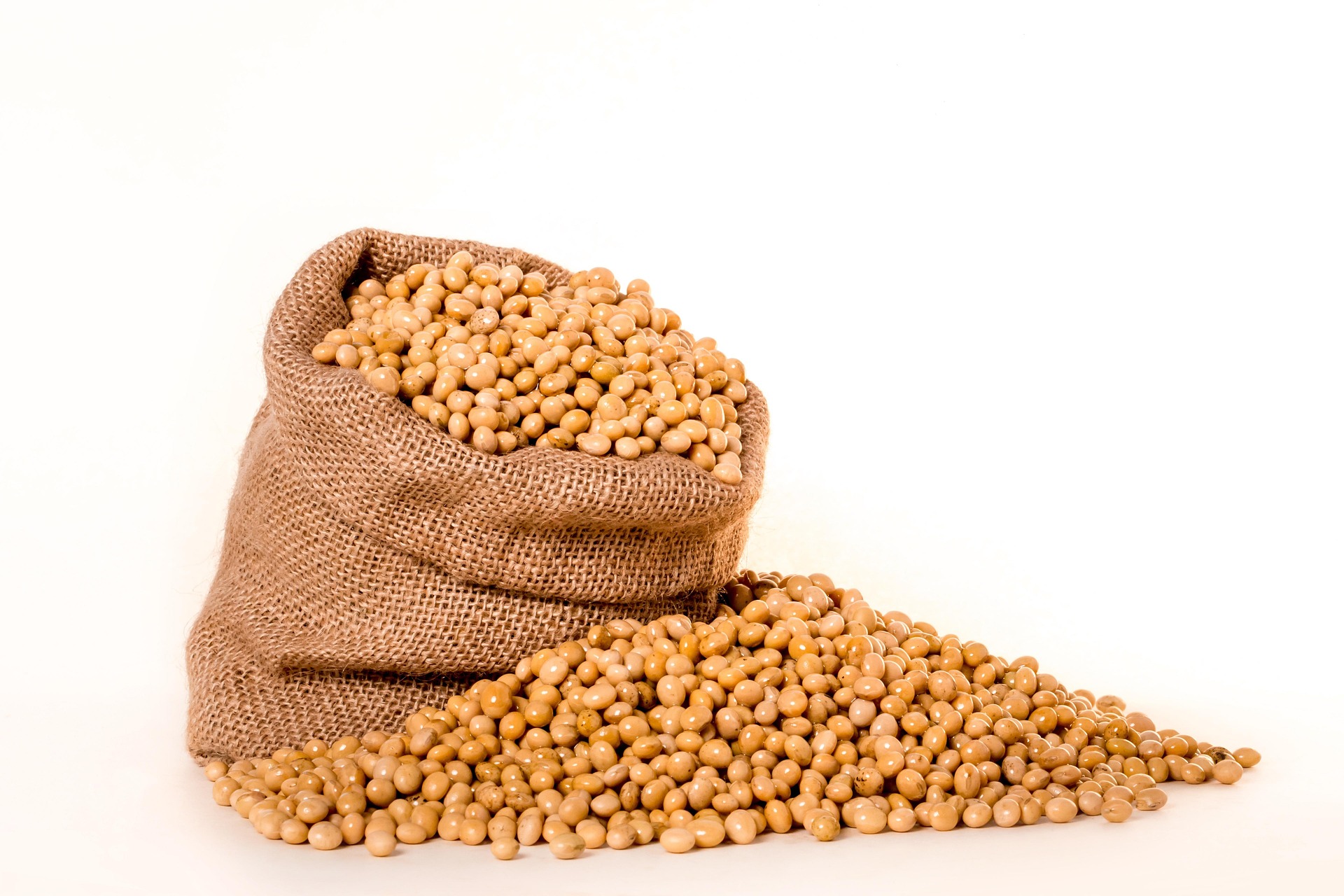
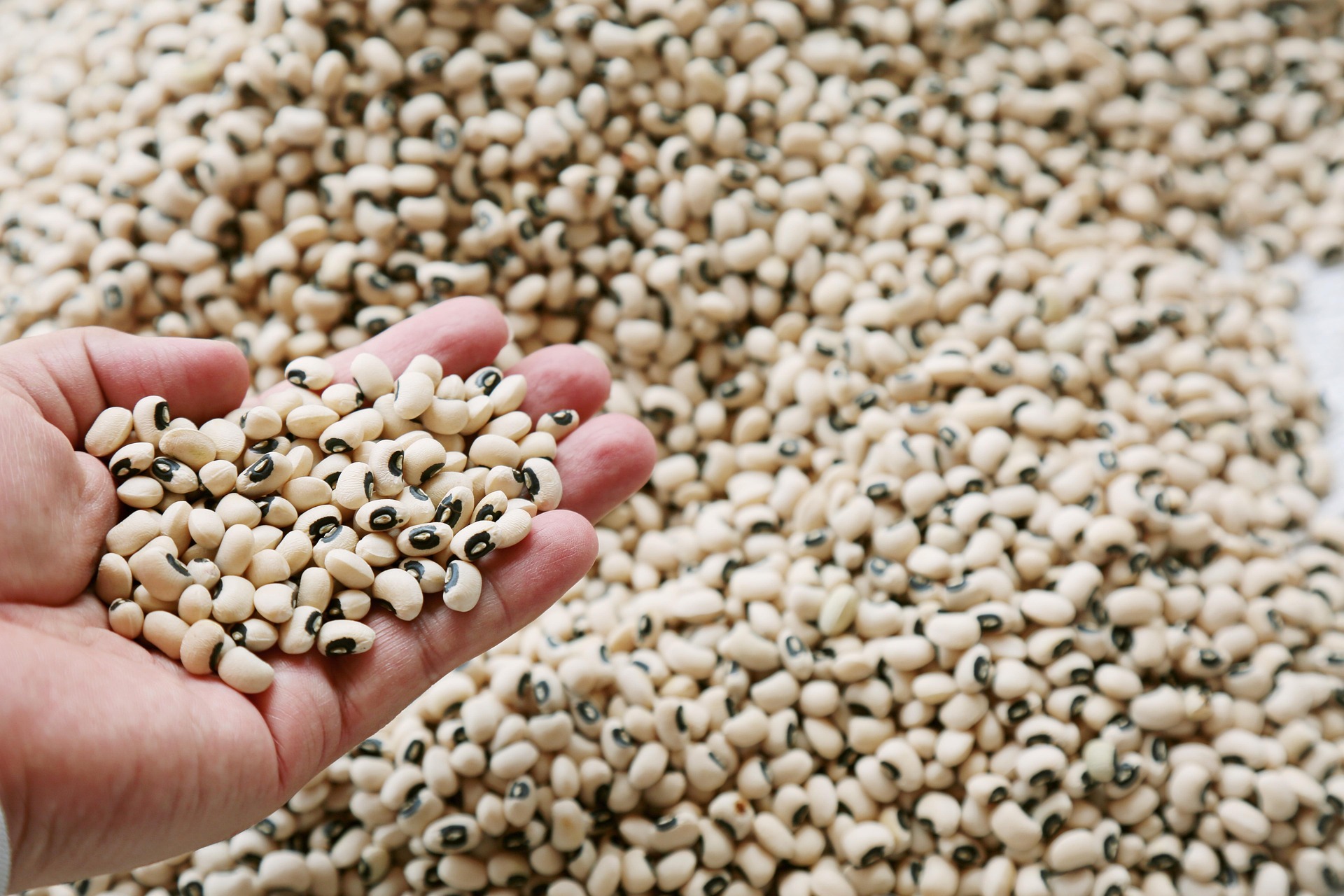
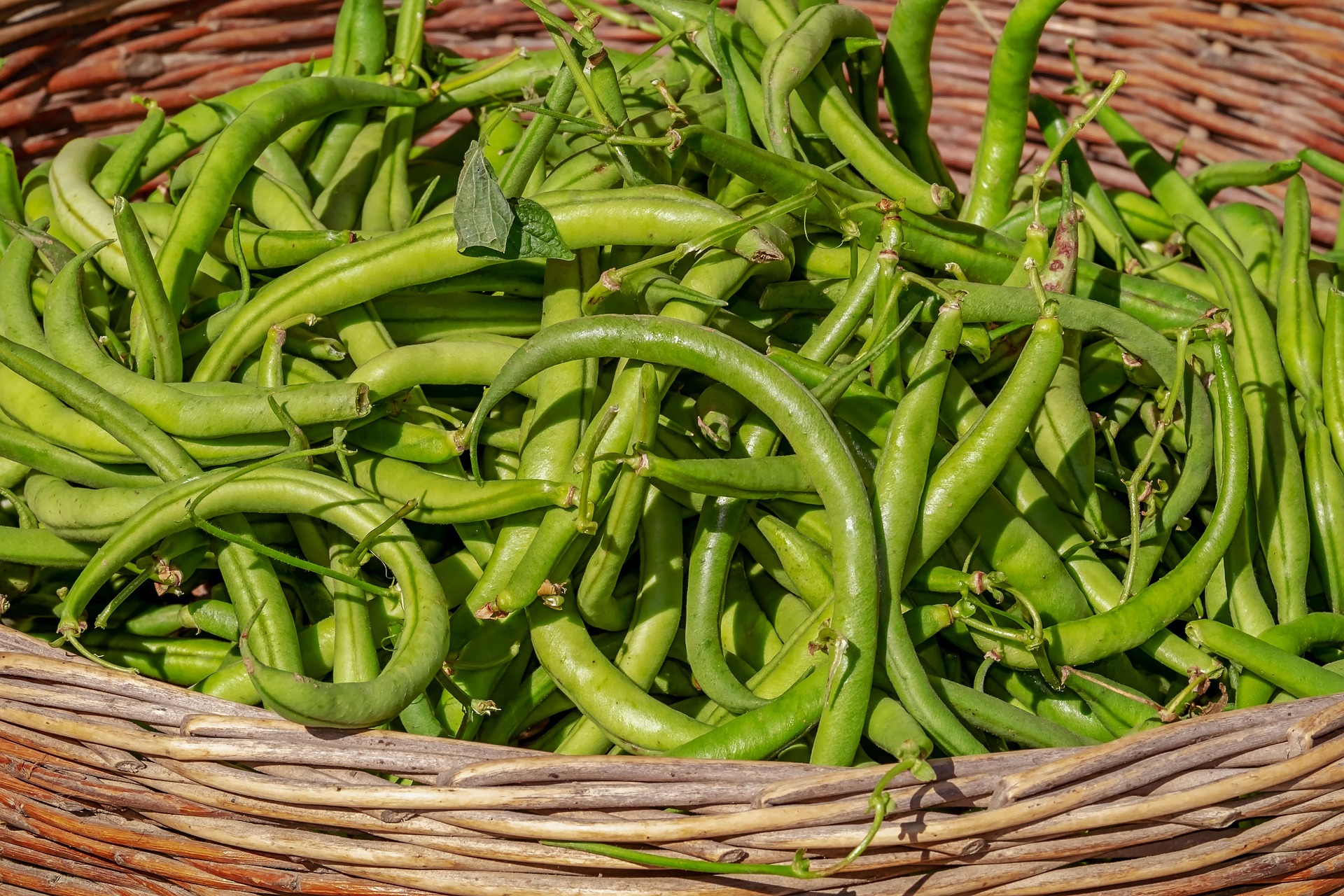
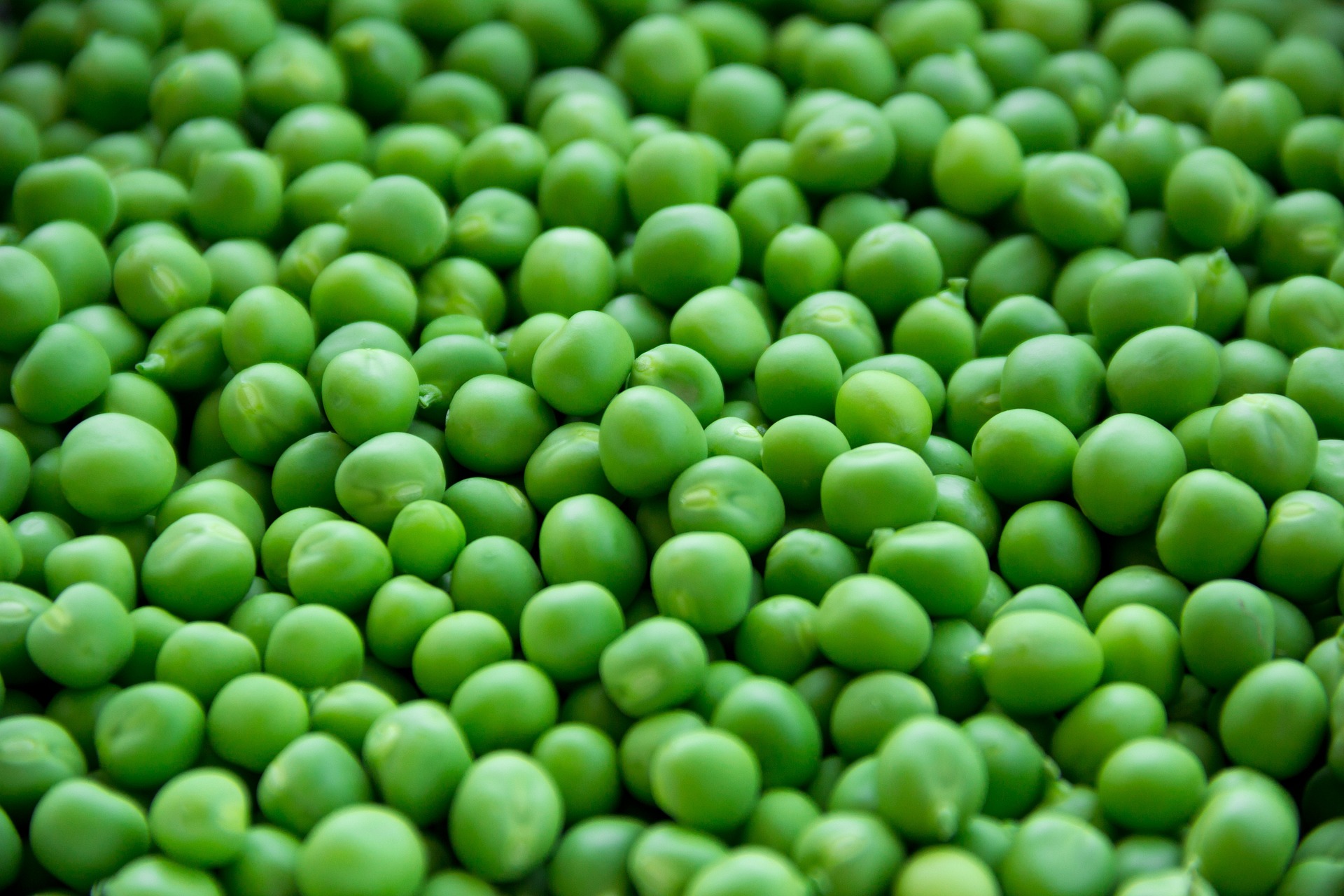
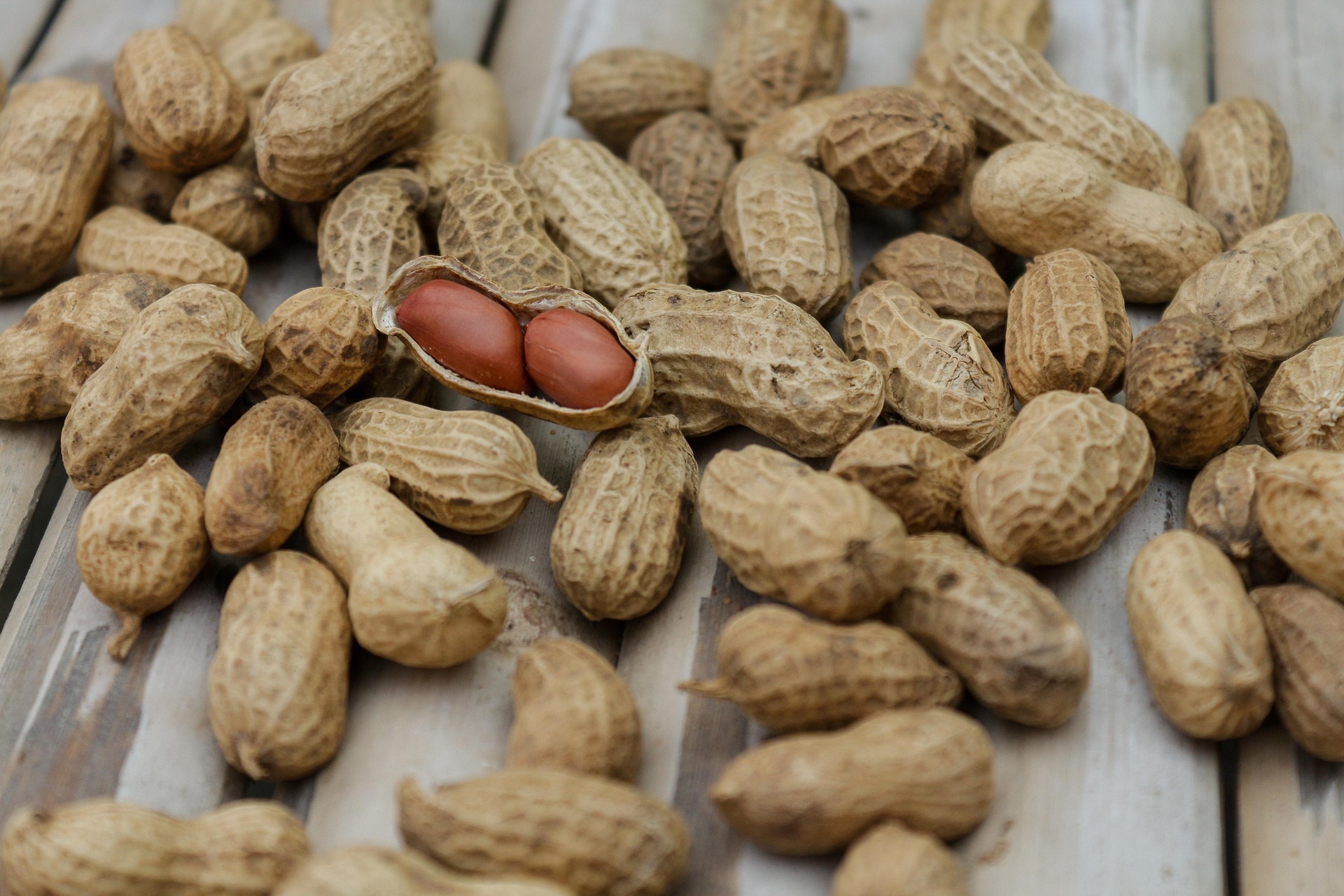
Research consistently shows that legume-based diets are associated with lower rates of cardiovascular disease, type 2 diabetes, and colorectal cancer. They are also cheap, filling, and nutritionally complete in ways that processed protein sources rarely match.
- Ugali, properly eaten
Ugali on its own is a carbohydrate staple with a limited nutritional profile. But ugali was never eaten alone. It was always accompanied by protein sources, leafy greens, and fermented dairy. The meal, not the staple, is where the nutrition lives.
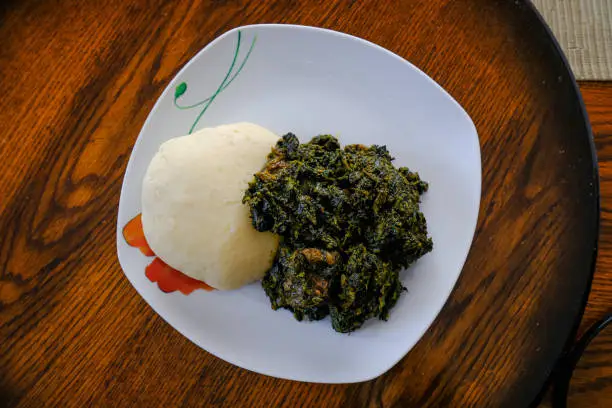
The problem is not ugali. The problem is ugali without the accompaniments that make it a complete meal.
The nutritional value of these foods is well-documented. The question is what we are losing by moving away from them.
What we lose when we replace them
When traditional foods are replaced by ultra-processed alternatives, the substitution may seem convenient but is actually a nutritional downgrade.

White bread replaces fermented uji. Instant noodles replace a legume stew. Processed juice replaces fresh fruit. Packaged snacks replace roasted groundnuts or boiled sweet potato.
Each of these replacements typically delivers more calories, more refined carbohydrates, more added sugar, more sodium, and fewer micronutrients than the food it displaced.
Research on African indigenous vegetables confirms that they consistently outperform conventional exotic vegetables in beta-carotene content, iron, and vitamin C. [4]
The imported or manufactured alternative is not more nutritious. It is more heavily marketed.
The health consequences of this shift are visible in the epidemiological data. Rates of type 2 diabetes, hypertension, and obesity are rising fastest in African urban settings where the transition away from traditional diets has been most rapid.
Iron deficiency anaemia, meanwhile, remains endemic across East Africa in communities that have moved away from iron-rich indigenous vegetables toward staple-heavy diets with little micronutrient diversity.
The same households experiencing rising rates of overweight are also experiencing micronutrient deficiencies. This is the triple burden of malnutrition in action, and the dietary transition away from traditional foods is one of its primary drivers.
This raises an important question: if traditional foods are this good, why are we abandoning them?
Why the shift is happening
The answer is not ignorance.
People know what indigenous vegetables are. Many grew up eating them. The shift is driven by a combination of economic pressure, social aspiration, and deliberate marketing.
Ultra-processed foods are engineered to be convenient, cheap at the point of purchase, and intensely palatable. They require minimal preparation time, they do not spoil quickly, and they come with aggressive marketing that associates them with modernity, aspiration, and urban sophistication.
Traditional foods, by contrast, require time to prepare, have no marketing budget, and carry a cultural association with poverty or rural life in many urban households.
Research on the marketing of African leafy vegetables in the Kenyan context has documented this dynamic precisely: the cultural stigmatization of indigenous vegetables among urban consumers, who associate them with low socioeconomic status, even as the same vegetables are recognised globally for their exceptional nutritional value.[5]
The food considered old-fashioned in Nairobi is being sold at a premium in London's health food stores.
The irony is complete. A diet shift motivated by aspiration and modernity is producing worse nutritional outcomes than the diet it replaced. Understanding this is the beginning of being able to make a different choice.
And that choice starts with what is on your plate this week.
This Week
What practical steps can you take this week? You can:
- Bring back one traditional vegetable this week. Kunde, pumpkin leaves, and African nightshade: choose one and cook it at least twice. The nutritional return on that decision is significant.
- Replace one processed breakfast with fermented uji or a legume-based alternative. One consistent swap can meaningfully change your micronutrient intake over time. Fermented sorghum or millet uji with a protein source covers far more nutritional ground than white bread with margarine.
- Eat ugali as it was designed to be eaten. With a protein source, a leafy green, and if available, fermented milk or another dairy product. The meal is the nutrition, not the staple alone.
- Cook legumes at least three times this week. Cowpeas, lentils, green grams, or beans. Protein, fibre, and slow-release energy in one pot, at a fraction of the cost of processed alternatives.
- Talk about it. If you have children, students, or a community you speak into, start a conversation about the value of traditional foods.
A food cannot recover its place on the table if people are ashamed to put it there.
Tweet
Bottomline
The foods your grandmother cooked were not nutritionally inferior to the ones replacing them. In many cases they were superior, richer in iron, beta-carotene, protein, fibre, and beneficial bacteria than the packaged alternatives now dominating urban African tables.
The shift away from them has not been driven by evidence. It has been driven by marketing, aspiration, and economic pressure.
Going back to traditional foods is not nostalgia. It is a nutritionally sound, evidence-backed decision that also happens to be more affordable, more sustainable, and more appropriate for our bodies and our context than the ultra-processed alternatives the food industry would prefer we buy instead.
The goldmine was always there. It just needed someone to remind us of its value.
Citations
- Shiundu KM, Oniang’o RK. Marketing African leafy vegetables: challenges and opportunities in the Kenyan context. 1
- Muthoni J, et al. A review of the contribution of cowpea leaves to food and nutrition security in East Africa. Food Sci Nutr. 2
- Irakoze L, et al. Potential role of African fermented indigenous vegetables in maternal and child nutrition in sub-Saharan Africa.3
- Hawaz E, et al. Eastern African traditional fermented foods and beverages. Compr Rev Food Sci Food Saf. 2025.4
- van Jaarsveld PJ, et al. Nutritional composition of pumpkin leaves and related African leafy vegetables. 5


