
Have you ever watched someone get hurt and felt completely unsure of what to do next? Have you reacted to a cut or a burn with something that later turned out to make it worse? Have you wondered whether what you learned about first aid years ago still holds up, or whether you have simply been doing some of it wrong all along?
The first few minutes after an injury are often the most important. What you do, or do not do, in that window can determine how quickly a person recovers, how much pain they experience, and in more serious cases, whether complications develop.
This guide covers 7 of the most common home emergencies, with step-by-step instructions based on current first aid guidelines from the American Heart Association, the American Red Cross, and the World Health Organisation (WHO).
Keep this article somewhere you can find it quickly. Better still, read it before you need it.
Each section below follows the same format: what it is, how to recognise it, and what to do step by step.
1. Cuts and Wounds
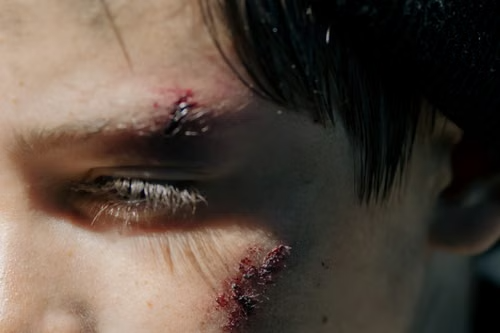
Small cuts are among the most common home injuries and are manageable with basic first aid. The goals are to stop the bleeding, clean the wound, and protect it from infection.
What to do:
- Wash your hands first or put on gloves if available. This protects both you and the injured person from infection.
- Apply gentle pressure using a clean cloth or gauze pad. Hold firmly for several minutes without lifting to check. Most minor cuts stop bleeding within ten minutes.
- Rinse the wound under cool running water for at least five minutes, or until all visible dirt is removed. Do not use hydrogen peroxide or iodine directly in the wound, as these can damage tissue and slow healing.
- Remove visible debris carefully using tweezers cleaned with alcohol. Do not dig into the wound.
- Cover with a clean bandage or dressing. Change it daily or whenever it becomes wet or dirty.
⚠ Seek medical attention if: bleeding does not stop after 10 minutes of firm pressure, the cut is deep or has jagged edges, you cannot remove all debris, or the wound shows signs of infection (redness, swelling, warmth, or pus) in the days that follow.
2. Burns and Scalds
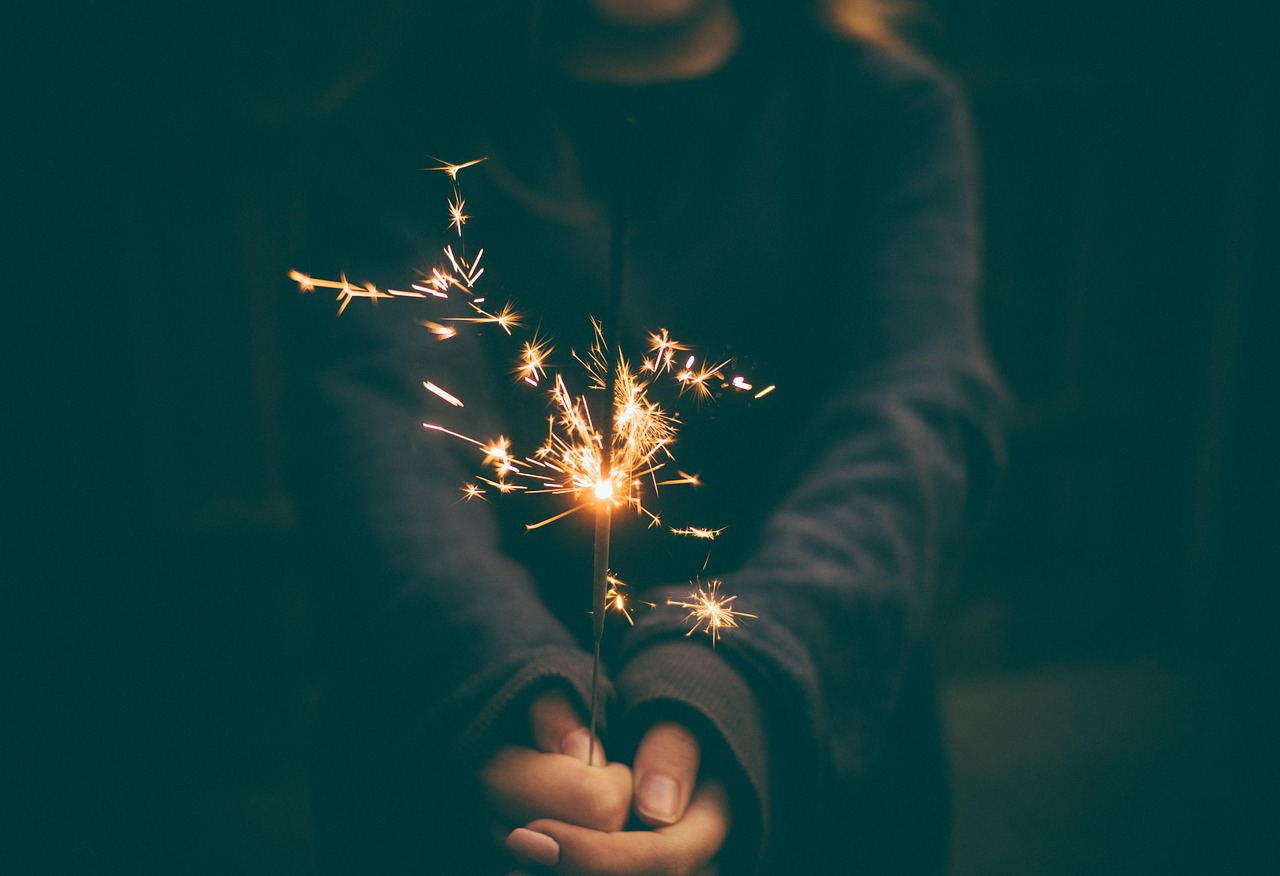
Burns are caused by heat, flame, or hot objects. Scalds are burns caused specifically by hot liquids or steam. Both are classified by depth: first-degree burns affect only the outer skin layer and cause redness and mild pain. Second-degree burns go deeper and produce blisters. Third-degree burns are severe and require emergency medical care.
The following steps apply to first-degree burns and small second-degree burns managed at home.
What to do:
- Cool the burn immediately by holding it under cool (not cold or iced) running water for at least 20 minutes. This is the single most important step and should not be skipped or shortened.
- Remove jewellery or tight clothing near the burned area before swelling begins. Do not remove anything that is stuck to the skin.
- Cover loosely with a clean, non-fluffy dressing or cling film. Do not use cotton wool or any material with loose fibres.
- For small burns, after cooling, the American Heart Association notes that it is reasonable to apply petrolatum, aloe vera, or honey, along with a clean, non-adherent dressing.
⚠ Do not: apply butter, toothpaste, oil, or any home remedy to a burn. Do not break blisters. Do not use ice or very cold water, which can cause further damage. Seek emergency care for any third-degree burn, burns on the face, hands, feet, or genitals, burns larger than the palm of the injured person, or burns in children and elderly adults.
3. Shock
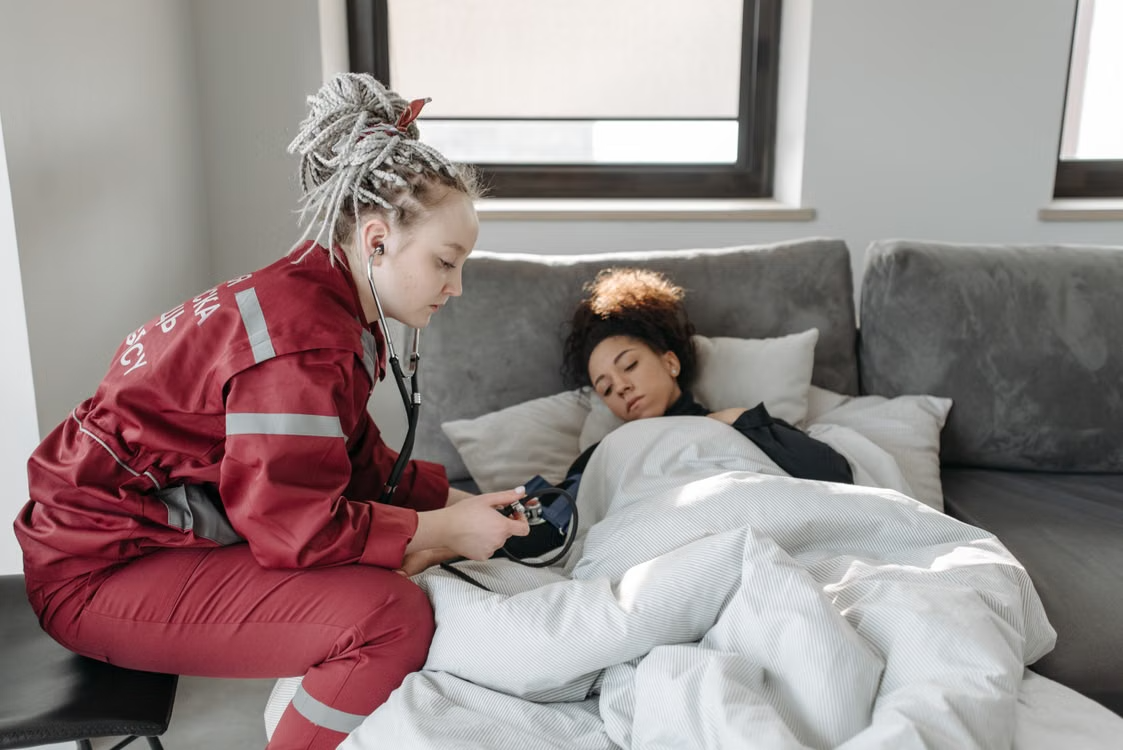
Shock is a life-threatening condition that occurs when the body does not receive enough blood flow to its vital organs. It can follow severe bleeding, a serious burn, a major allergic reaction, or a traumatic injury.
Recognising it quickly and acting correctly can be the difference between life and death.
Signs of shock include:
- Pale, cold, or clammy skin.
- Rapid, shallow breathing.
- A weak, fast pulse.
- Dizziness, confusion, or anxiety.
- Nausea or vomiting.
- Loss of consciousness in severe cases.
What to do:
- Call emergency services immediately. Shock is a medical emergency. First aid buys time but does not treat the underlying cause.
- Treat the known cause as quickly as possible: control visible bleeding, address breathing difficulties.
- Lay the person down on a flat surface. If there is no suspected back or neck injury and no fracture in the legs, raise the legs approximately 30 centimetres to improve blood flow to the brain.
- Keep them warm using a blanket or jacket. Do not overheat them.
- Do not give food or water. Do not leave the person alone. Monitor breathing continuously until help arrives.
⚠ Do not raise the legs if you suspect a head, neck, back, or hip injury, or if raising the legs causes pain.
4. Fainting

Fainting is a brief loss of consciousness caused by a sudden drop in blood flow to the brain. Common causes include standing for too long in the heat, not eating, emotional shock, exhaustion, or dehydration. It usually resolves quickly on its own, but the fall associated with fainting can cause injury.
If someone feels faint:
- Help them lie down or sit down immediately before they fall. If lying down, raise the legs slightly.
- Loosen any tight clothing around the neck, chest, or waist.
- Ensure fresh air by opening a window or moving them to a cooler, less crowded space.
- Once conscious, have them sit up slowly. Do not allow them to stand immediately.
- Offer water and a light snack once they are fully alert, especially if they have not eaten recently.
⚠ Seek medical attention if: the person does not regain consciousness within one to two minutes, they faint repeatedly, they have a known heart condition, they are pregnant, the fainting followed a head injury, or they are over 50 with no obvious cause.
5. Sprains and Fractures
A sprain is an injury to the ligaments around a joint, most commonly the ankle, wrist, or knee. A fracture is a break in a bone. Because the signs of both can be similar, the rule is straightforward: if you are unsure, treat it as a fracture.

Signs of a sprain include:
Pain at the joint, swelling, bruising, and difficulty bearing weight or moving the joint.
Signs of a fracture include:
Severe pain that worsens with movement, swelling, deformity or abnormal shape, inability to use the limb, and in open fractures, bone is visible through the skin.
For sprains, use the RICE method:
- Rest: Stop the activity and avoid putting weight on the injured joint.
- Ice: Apply an ice pack wrapped in a cloth for up to 20 minutes at a time, several times a day. Never apply ice directly to skin.
- Compression: Wrap the area firmly but not tightly with a bandage to reduce swelling.
- Elevation: Raise the injured limb above the level of the heart when possible.
For suspected fractures:
- Do not attempt to straighten the limb or move the person unnecessarily.
- Immobilise the area with a splint made from a firm, straight material (a rolled magazine, firm cardboard, or a stick), padded and secured above and below the injury.
- Apply ice packs wrapped in cloth to reduce swelling.
- Treat for shock if signs are present. Seek medical help promptly.
⚠ Open fractures (where bone is visible) and fractures of the spine, pelvis, hip, or skull are emergencies. Do not move the person. Call emergency services immediately.
6. Snake bites
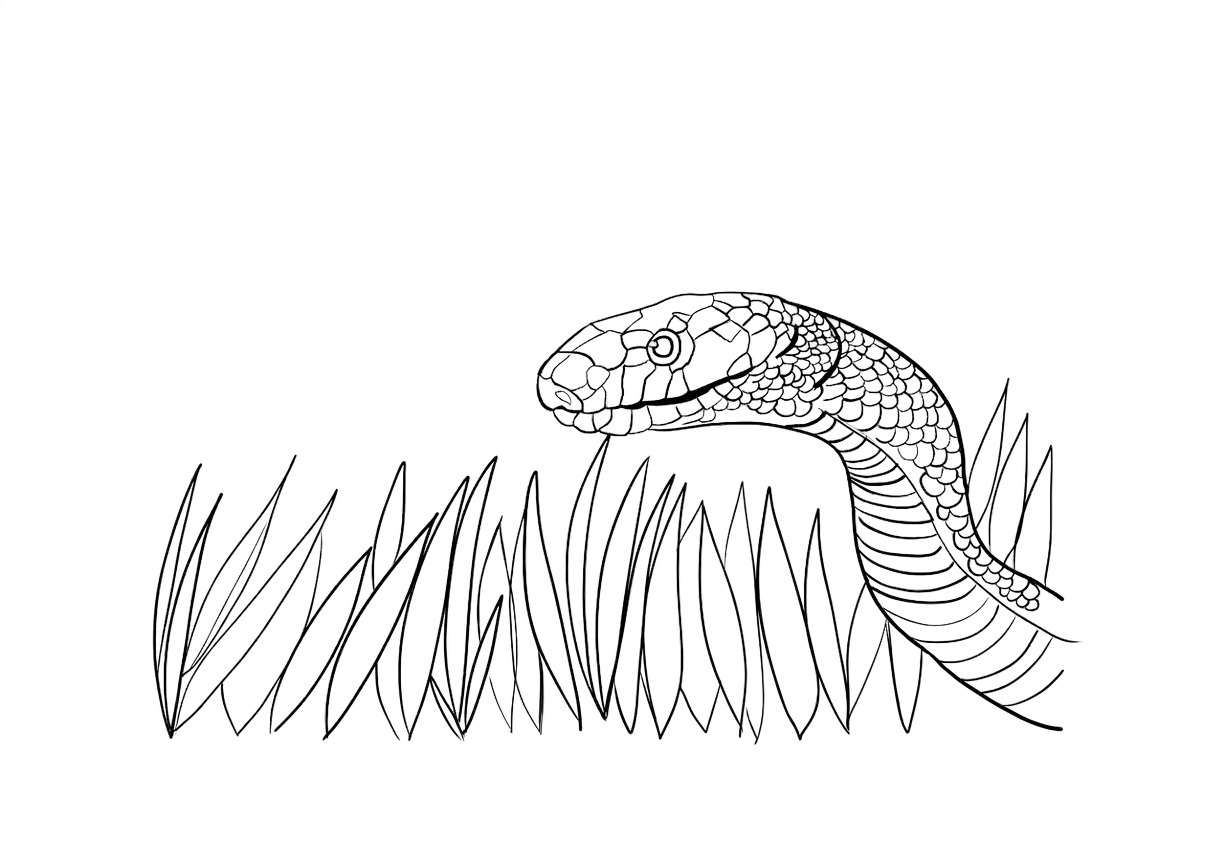
Snake bites require immediate emergency care. The only definitive treatment for a venomous bite is antivenom, which must be administered by a medical professional. First aid for snake bites is about keeping the person stable and getting them to the hospital as quickly as possible.
What to do:
- Call emergency services immediately or arrange urgent transport to the nearest hospital.
- Keep the person calm and still. Movement increases the circulation of venom. Help them lie or sit down in a comfortable position.
- Immobilise the bitten limb below the level of the heart, where possible. Remove any jewellery or tight clothing near the bite before swelling begins.
- Note the time of the bite and, if safe to do so, note the appearance of the snake. Do not attempt to catch or kill it.
- Monitor breathing and consciousness while waiting for help.
⚠ Do not: cut the bite or attempt to suck out the venom. Do not apply a tourniquet. Do not apply electric shock. Do not apply ice. Do not apply pressure immobilisation bandaging. The 2024 American Heart Association and American Red Cross guidelines confirm that all of these approaches are potentially harmful. The only treatment is antivenom at a medical facility.
7. Nosebleeds
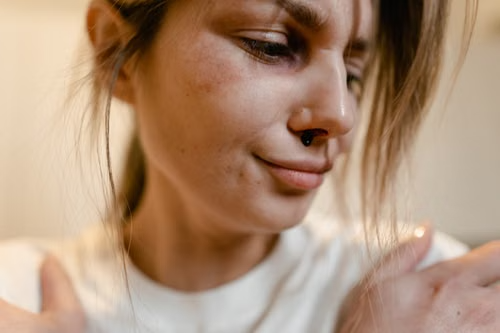
Nosebleeds are common and usually not serious. They are often triggered by dry air, nose-picking, blowing the nose too hard, or a minor knock. They can also occur during illness or with certain medications.
What to do:
- Sit upright and lean slightly forward. This prevents blood from flowing down the throat, which can cause nausea or vomiting. Do not tilt the head back.
- Pinch the soft part of the nose (below the bony bridge) firmly. Breathe through the mouth.
- Hold for 10 to 15 minutes without releasing to check. Use a clock. Most nosebleeds stop within this time.
- After bleeding stops, rest quietly and avoid blowing the nose, bending over, or strenuous activity for several hours.
⚠ Seek medical attention if: bleeding does not stop after 15 to 20 minutes of firm pressure, the nosebleed followed a head injury, the person becomes light-headed or loses significant blood, the person takes blood-thinning medication, or nosebleeds are recurring frequently without an obvious cause.
This Week
You do not need to memorise every step in this article today. But there are a few things worth doing this week that will make you genuinely better prepared the next time something happens.
- Check your first aid kit. Every home should have one. At minimum:
- clean bandages in various sizes
- Gauze
- medical tape
- antiseptic wipes
- a pair of gloves
- a digital thermometer
- Tweezers
- Scissors
- a cold pack
- Basic First Aid Manual. Replace anything expired or used.
- Save your local emergency number. It sounds obvious, but many people do not have it saved and waste critical seconds searching for it under pressure.
- Share this article with your household. First aid is only useful if the people in your home know it. A brief conversation about what to do for a burn or a nosebleed can make a real difference.
- Consider a first aid course. Reading about first aid is useful. Practising it in a course is significantly better. The Kenya Red Cross and St John Ambulance Kenya both offer accessible community first aid training.
Bottomline
Accidents at home are not a matter of if but when. A child burns a hand on the stove. Someone twists an ankle on the stairs. A nosebleed starts without warning. In those first few minutes, what you do matters more than any medicine you could reach for.
Good first aid is calm, clean, and evidence-based. It does not require a medical degree. It requires knowing the basics, having the right supplies within reach, and understanding when to manage something at home and when to hand it over to a professional. That knowledge is not a luxury. It is one of the most practical things a person can carry into their everyday life.
Keep this guide somewhere you can find it. You will need it eventually.
Kindly note: This guide covers first aid for minor to moderate injuries at home. In any situation that feels serious, life-threatening, or beyond your ability to manage, call emergency services immediately. First aid is a bridge to professional care, not a replacement for it.
Sources
- American Heart Association and American Red Cross. 2024 Guidelines for First Aid. cpr.heart.org
- WebMD. First Aid Tips: How to Treat Burns, Cuts, and Bites. Updated 2024. webmd.com
- American Red Cross. First Aid Guidelines Summary. redcross.org


Beautifully put together. Thanks for sharing this, Debbie. God bless you.
LikeLiked by 1 person