
A single can of sugar-sweetened soda can contain up to 40 grams of free sugars, which is about ten teaspoons. The World Health Organisation advises keeping free sugars below 10% of daily energy and ideally below 5%, which works out to roughly 25 grams a day on a 2,000-calorie diet.
Have you ever chosen a product because the front said “natural,” “light,” or “made with real fruit” and never turned it over? Do you know how many servings were in the bottle of juice you finished in one sitting?
Could you name the first three ingredients in the cereal sitting in your cupboard right now?
The back of the packet answers most of these questions, and reading it takes less time than choosing a queue at the till. This article shows you where to look first, which numbers deserve your attention, and what Kenyan labelling rules require manufacturers to tell you.
We will cover:
Most label mistakes happen on the very first line, so that is where we start.
Start with the serving size
Every number on a nutrition panel describes one serving, and the manufacturer decides how big that serving is. A 500 ml bottle may list two servings, and a packet of biscuits may list four. If you finish the bottle, you double every figure on the panel. The serving size says nothing about how much you should eat. It only tells you what quantity the numbers were calculated for.
Many labels also give values per 100 g or per 100 ml. That column is the fairest way to compare two similar products, because it removes the effect of different serving sizes.
With the serving size settled, you can look at the nutrients themselves.
The numbers worth checking first
- Sugar
Look at total sugars and, where the label lists it, added sugars.
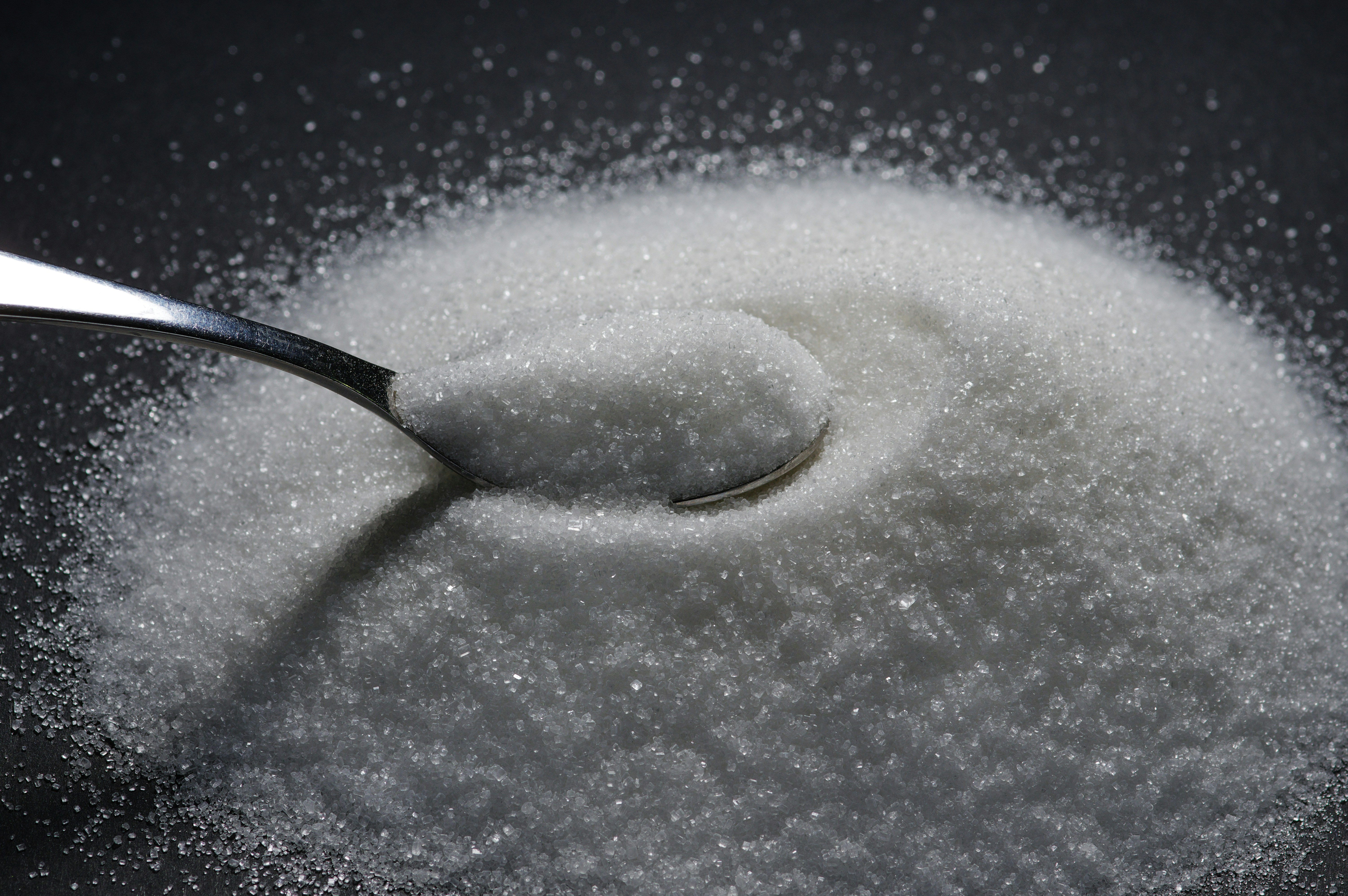
WHO is concerned about free sugars, which are the sugars added by the manufacturer, the cook or the consumer, plus the sugars in honey, syrups, fruit juices and juice concentrates.
Sugars that sit naturally inside whole fruit, vegetables and milk are outside that limit. For reference, 25 grams is about six teaspoons.
- Salt
Labels usually list sodium rather than salt, and the two numbers differ. Multiply the sodium by 2.5 to get the salt.
WHO recommends less than 2 grams of sodium a day for adults, which equals 5 grams of salt, because too much sodium raises blood pressure and the risk of heart disease and stroke.
Stock cubes, instant noodles, sauces, and processed meats often carry far more than people expect.
- Fat
Check the saturated fat, and watch the ingredient list for partially hydrogenated oil, which is a source of trans fat. Trans fat raises the risk of heart disease and is best avoided.
- What to look for more of
Fibre, protein, iron, calcium and vitamin A. Where a label gives a percentage of the daily reference value, 5% or less per serving counts as low and 20% or more counts as high.
The panel gives you amounts. The ingredient list tells you what those amounts come from.
The ingredient list
Ingredients are listed by weight, so the first three make up most of the product. If sugar leads the list, the product is mostly sugar.
Manufacturers sometimes use several different sweeteners, such as sucrose, glucose syrup, dextrose, maltose, and fruit juice concentrate, so that no single one rises to the top. Added together, they can outweigh the first ingredient.
A product described as whole grain should list a whole grain first. If the list opens with enriched flour or wheat flour, the grain has been refined. A short list of ingredients you would recognise from a kitchen usually points to a less processed food, and a long list of codes and chemical names points the other way.
Then there is the front of the pack, which was written for a different purpose.
Claims on the front of the pack
Words such as natural, light, fresh, wholesome and made with real fruit are marketing language. They sit on the front because they sell, and they do not replace the back panel.
A fruit juice labelled no added sugar can still deliver a large dose of free sugars, because WHO counts the sugars in juice and juice concentrates as free sugars.
Reading labels well takes practice. A systematic review of 120 studies found a consistent link between using nutrition labels and eating a healthier diet. It also found that many consumers struggle to understand the information, and that label use varies considerably between groups.
Knowing what the law requires on Kenyan packaging tells you what you are entitled to find.
What Kenyan labels must tell you
Kenya’s labelling standard for prepackaged foods, KS EAS 38:2014, requires information such as the ingredient list, date marking and weight.
Nutrition labelling is covered by KS EAS 803, and nutrient declarations are mandatory for prepackaged foods, with exemptions for items such as spices and herbs, as well as for small packs.
Fortification is mandatory for maize flour, wheat flour, salt, and edible oils, so look for the added vitamins and minerals on those staples.
A KEBS mark, such as the Standardization Mark or the Diamond Mark of Quality, indicates that a product has been certified to meet Kenyan standards. It tells you the product meets a standard and does not tell you the product is a healthy choice, so the nutrition panel still deserves a read.
This Week
- Read three labels from your own kitchen. Choose a drink, a breakfast food and something you cook with, such as a stock cube or a sauce. Work through the serving size, sugar, sodium and the first three ingredients.
- Compare per 100 g. Pick two similar products and read the per 100 g column. Choose the one with less sugar and sodium.
- Convert one sodium figure to salt. Multiply by 2.5 and see how much of your 5-gram daily allowance a single serving uses.
- Count the names for sugar. Read one ingredient list and see how many different sweeteners appear.
- Show one person. Guide a family member, friend, or student through finding the serving size and the sodium line.
Bottomline
A food label carries a surprising amount of information: how much you are really eating, how much sugar and salt it contains, what the product is made of, and which Kenyan standards it has met.
The front of the pack is written to persuade you. The back is written to inform you, and learning to read it puts the decision back in your hands.
You do not need to read every label on every shopping trip. Begin with the foods your household buys most often, because small differences in those products repeat hundreds of times a year.
Once you know what a reasonable amount of sugar, salt, and saturated fat looks like, the outliers become easy to spot.
Citations
- World Health Organization. Guideline: Sugar intake for adults and children. Geneva: WHO; 2015.
- World Health Organization. Guideline: Sodium intake for adults and children. Geneva: WHO; 2012.
- Campos S, Doxey J, Hammond D. Nutrition labels on pre-packaged foods: a systematic review. Public Health Nutr. 2011;14(8):1496-1506.
- The George Institute for Global Health. Nutrition labelling for fortified foods in Kenya. Fact sheet. 2024.


