
You already know you need to drink more water. Every health article, every doctor’s visit, every fitness influencer has said so. But here is the part that rarely gets mentioned: when you drink water matters almost as much as how much you drink.
Your body is not a static container waiting to be filled. It runs on rhythms: hormonal cycles, digestive patterns, and circadian processes that shift across the course of a day. Water consumed at the right points in that rhythm does significantly more work than water gulped at random.
It supports metabolism, aids digestion, sharpens cognition, and protects the cardiovascular system. Water consumed poorly timed, or not at all, leaves those same systems working harder than they need to.
This article is not about adding pressure to an already long wellness to-do list. It is about making the water you already drink count for more.
We will cover:
- First thing in the morning: rehydrating a sleeping body
- Before meals: the digestive and appetite connection
- Before and after exercise: protecting performance and recovery
- During the mid-morning and mid-afternoon slump
- Before bed: a small glass with a big cardiovascular case
- This Week
- Bottomline
- Citations
Let us start at the beginning of the day, when your body needs water the most and gets it the least.
First thing in the morning: rehydrating a sleeping body
During six to eight hours of sleep, your body continues working: breathing, repairing cells, regulating temperature, and filtering waste through the kidneys. All of that biological activity uses water.

By the time you wake up, you are in a mild state of dehydration every single morning, not because something went wrong, but because that is simply what an overnight fast does to the body.
Drinking one to two glasses of water within thirty minutes of waking helps reverse that deficit before it compounds.
Research published in The Journal of Clinical Endocrinology and Metabolism found that drinking 500 ml of water increased metabolic rate by up to 30% for approximately 30 to 40 minutes afterwards.[1] While the caloric effect of this boost is modest, the broader implication is clear: morning hydration activates the body’s systems in a way that no other morning ritual can replicate.
Morning water also supports the body’s natural cortisol peak, which occurs shortly after waking and helps regulate energy and alertness. Dehydration at this window suppresses that peak, contributing to the foggy, low-energy feeling that many people mistake for needing caffeine. Before you reach for the coffee, reach for the water.
The morning glass sets the tone. But the next critical window comes earlier than most people think.
Before meals: the digestive and appetite connection
Drinking water 20 to 30 minutes before a meal is one of the most evidence-supported hydration habits in nutrition research. The mechanism is straightforward: water consumed before eating helps prime the digestive system by stimulating the production of gastric juices and digestive enzymes, preparing the gut to process food more efficiently.
The appetite effect is equally well documented. A study published in Obesity, one of the leading peer-reviewed journals in the field, randomised 84 adults into two groups. Those who drank 500ml of water 30 minutes before each main meal lost an average of 4.3 kg more over 12 weeks than the control group and reported consuming 13 to 22% fewer calories per meal.[2] A separate study by Davy and colleagues found that pre-meal water consumption reduced energy intake at breakfast among older adults.[3]
One important nuance: drinking large amounts of water during the meal itself, rather than before it, can dilute gastric acid and slow digestion. The better habit is to hydrate in the 20 to 30 minute window before eating, then sip gently during the meal rather than drinking freely.
Before meals is a powerful window. But for those who exercise, there is an equally important one.
Before and after exercise: protecting performance and recovery

Physical activity accelerates water loss through sweat, respiration, and increased metabolic activity. The American College of Sports Medicine recommends drinking approximately 500ml of water 2 hours before exercise, continuing to hydrate during physical activity, and replacing fluids promptly afterwards.[4]
The performance implications of skipping this are measurable. Even a loss of just 2% of body weight through sweat-induced dehydration has been shown to reduce endurance, impair concentration, and increase perceived effort during exercise. Put simply, if you go into a workout already low on fluids, you will feel it, and your results will reflect it.
Post-exercise rehydration is equally non-negotiable. Water consumed after training helps restore fluid balance, reduce muscle soreness, and support the muscle repair process. For moderate exercise, water is sufficient. For sessions lasting more than an hour or involving significant sweating, you may also need to replace electrolytes lost through perspiration.
Exercise is not the only time the body signals a need for strategic hydration. The middle of the day has its own pattern.
During the mid-morning and mid-afternoon slump
The energy dip that hits between 10 and 11 am, and again between 2 and 4 pm, is one of the most predictable events in the human day. Most people reach for a snack or another cup of coffee. Research suggests the more accurate first response is to drink water.
A review published in the Journal of the American College of Nutrition found that even mild dehydration, defined as a fluid loss of 1 to 2% of body weight, was enough to impair memory, reduce concentration, elevate feelings of anxiety, and increase fatigue.[5] These are precisely the symptoms people describe as an afternoon slump. In many cases, the slump is not about energy reserves or blood sugar. It is about hydration.
By mid-morning, the water you drank at breakfast has largely been processed. By mid-afternoon, your body has been running on metabolic activity, digestion, and possibly exercise for several hours. A glass of water at these two windows, rather than after the slump has already settled in, can prevent the cognitive and energy dip, rather than simply trying to reverse it.
The daytime windows are well understood. The evening one is less discussed, but carries its own compelling case.
Before bed: a small glass with a big cardiovascular case
The case for a small glass of water before bed is less about volume and more about what overnight dehydration does to the cardiovascular system. Research published in the European Journal of Nutrition found that even mild dehydration can impair vascular function to a degree comparable to smoking a cigarette.[6] When blood becomes more concentrated due to low fluid levels, the heart has to work harder to circulate it, placing strain on the cardiovascular system during the very hours the body is supposed to be recovering.
A small glass of water, approximately 200 to 250ml, before sleeping helps maintain fluid balance overnight without significantly disrupting sleep. The caution here is quantity: large amounts of water before bed increase nighttime urination, which fragments sleep and erases much of the cardiovascular benefit. The goal is maintenance, not loading.
If you wake up consistently with a dry mouth, a headache, or noticeably dark urine in the morning, those are signals that your overnight hydration is insufficient and worth addressing.
Each of these windows matters individually. Together, they form a daily hydration pattern that works with your body rather than around it.
This Week
Rather than overhauling everything at once, pick the two windows that feel most achievable and build from there.
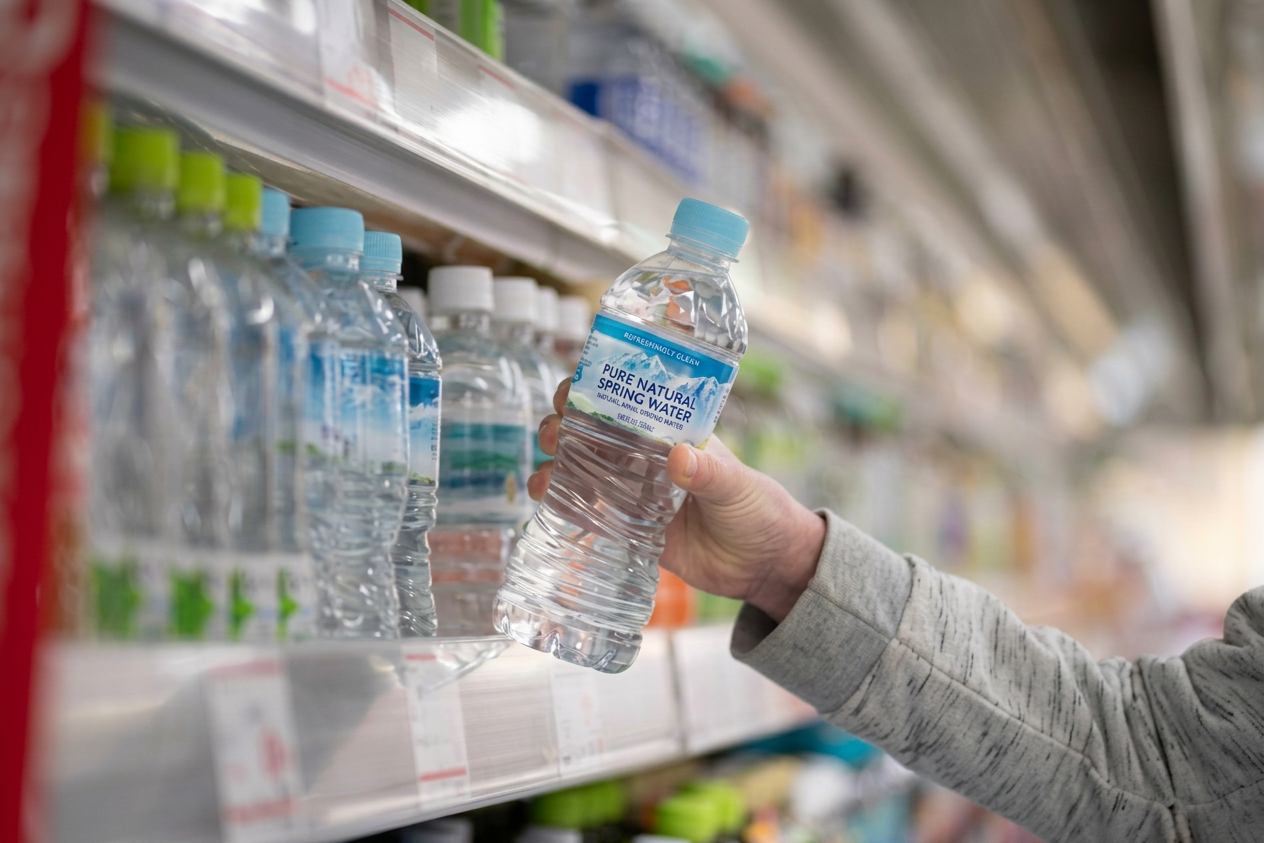
Here is a practical daily framework to work with:
- On waking (within 30 minutes): 1 to 2 glasses before breakfast. Set your water glass on the bedside table the night before so the habit is frictionless. Warm water is equally highly recommended.
- 20 to 30 minutes before each meal: 1 glass. This is the single highest-evidence hydration habit for digestion and appetite management.
- Before exercise: 1 to 2 glasses at least an hour before. Keep a bottle with you during the session and drink again within 30 minutes of finishing.
- Mid-morning and mid-afternoon: 1 glass at each window, around 10 am and 3 pm. Treat these as scheduled reminders, not reactive responses to thirst.
- Before bed: A small glass, not a full bottle. Enough to maintain overnight fluid balance without disrupting sleep.
Track your urine colour as the simplest feedback loop available: pale yellow means you are well hydrated; dark yellow or amber means your body is running behind.
Bottomline
Water is the most fundamental nutritional input the human body requires, more immediate than food, more consequential than most supplements, and more overlooked than almost anything else in the wellness conversation. The good news is that the gap between drinking water and drinking water well is not wide.
You do not need a complicated system. You need five consistent windows: morning, pre-meal, around exercise, at the energy dips, and before bed. Built into your existing routine, those five habits shift hydration from a passive afterthought into an active tool for how your body performs, thinks, and recovers each day.
Start with one glass in the morning. The rest follows naturally.
Want to learn more about how to take care of your health? Get more practical tips to care for your bondy in The Cleaver’s Health & Wellness Section.
Citations
- Boschmann M, et al. Water-induced thermogenesis. J Clin Endocrinol Metab. 2003;88(12):6015-6019. View on PubMed
- Davy BM, et al. Water consumption reduces energy intake at a breakfast meal in obese older adults. J Am Diet Assoc. 2008;108(7):1236-1239. View on PubMed
- Parretti HM, et al. Efficacy of water preloading before main meals as a strategy for weight loss in primary care patients with obesity. Obesity. 2015;23(9):1785-1791. View on PubMed
- Sawka MN, et al. ACSM position stand. Exercise and fluid replacement. Med Sci Sports Exerc. 2007;39(2):377-390. View on PubMed
- Adan A. Cognitive performance and dehydration. J Am Coll Nutr. 2012;31(2):71-78. View on PubMed
- Kavouras SA, et al. Mild dehydration and cardiovascular risk. Eur J Nutr. 2018;58(7):2873-2881. View on PubMed


One thought on “Drink Smarter, Not More: The Best Times to Drink Water and Why They Matter”