
One of the most profound attributes of God revealed in Scripture is His omniscience.
God is all-knowing. Nothing escapes His attention. He knows the end from the beginning, understands every hidden motive of the heart, and is fully aware of our fears, struggles, hopes, and needs even before we express them.
Jesus Himself said:
“...For your Father knows the things you have need of before you ask Him” (Matthew 6:8, NKJV).
This raises an important question many sincere believers and skeptics alike wrestle with: If God already knows what we need, why should we pray?
At first glance, prayer can seem unnecessary.
Why inform an all-knowing God about problems He already understands? Why ask for provision he already knows we lack? Yet throughout Scripture, prayer is not treated as optional or meaningless. Instead, it is presented as essential to the life of faith.
The Bible repeatedly calls believers to pray. Paul wrote in his epistles to the saints at Thessalonica:
“Pray without ceasing” (1 Thessalonians 5:17, NKJV).
And even Christ made it clear in the gospel:
“...men always ought to pray and not lose heart” (Luke 18:1, NKJV).
Clearly, prayer is far more than giving information to God. Prayer is part of God’s divine design for relationship, spiritual growth, and cooperation with His will.
Here are five reasons we should pray even though God already knows what we need:
- 1. God respects human free will
- 2. Prayer is God’s appointed means of communication
- 3. Prayer changes us, not just circumstances
- 4. Prayer deepens communion and intimacy with God
- 5. Prayer expresses dependence and faith in God
- Bottomline
Let’s begin with an interesting fact about prayers and our free will.
1. God respects human free will
One reason prayer remains necessary is that God respects human freedom.

Although He knows our needs, He does not force His blessings, guidance, or intervention upon us against our will. Prayer becomes one of the ways we willingly invite God to act in our lives.
From the beginning, God created humanity with the ability to choose. Love itself requires freedom. Forced obedience is not a genuine relationship. Throughout Scripture, God presents choices before people and calls them to respond freely.
Prayer is therefore an expression of consent and cooperation with God.
This principle is beautifully captured in a statement by Ellen G. White:
“It is a part of God’s plan to grant us, in answer to the prayer of faith, that which He would not bestow did we not thus ask.” —The Great Controversy, p. 525
This does not mean God is unwilling to bless. Rather, He has chosen to work relationally with humanity. Certain blessings are connected to prayer because prayer acknowledges dependence upon Him and opens the heart to receive His providence.
James 4:2 says:
“...you do not have because you do not ask” (NKJV).
God’s omniscience does not cancel human participation. Prayer becomes one of the divinely appointed means through which we cooperate with heaven.
2. Prayer is God’s appointed means of communication
Prayer is not merely about obtaining things from God; it is fundamentally about communion with Him. God desires a relationship with His children, and prayer is one of the primary ways that relationship is nurtured.
Human relationships cannot thrive without communication. In the same way, spiritual intimacy with God cannot flourish without regular fellowship with Him.
Prayer gives believers the privilege of speaking openly with their Creator. We bring Him our gratitude, fears, confusion, burdens, and joys. Scripture portrays God as deeply interested in hearing the prayers of His people.
Psalm 34:15 says:
“The eyes of the Lord are on the righteous, and His ears are open to their cry” NKJV)
Many believers have found comfort in Elisha Hoffman’s hymn ‘I Must Tell Jesus’:
I must tell Jesus all of my trials,
I cannot bear these burdens alone;
In my distress, He kindly will help me,
He ever loves and cares for His own.Refrain
I must tell Jesus! I must tell Jesus!
I cannot bear my burdens alone;
I must tell Jesus! I must tell Jesus!
Jesus can help me, Jesus alone.
Of course, God already knows our burdens before we mention them. Yet He still invites us to speak with Him because prayer is relational before it is transactional.
Jesus taught this beautifully when He said:
“But you, when you pray, go into your room, and when you have shut your door, pray to your Father who is in the secret place; and your Father who sees in secret will reward you openly” (Matthew 6:6, NKJV).
Notice the emphasis on “Father.” Prayer is the language of relationship.
Without prayer, faith can easily become theoretical, intellectual, or distant. Prayer keeps the believer connected personally and continually to God.
3. Prayer changes us, not just circumstances
Often, people approach prayer primarily to change situations.
While God certainly answers prayer and intervenes in human affairs, one of the greatest purposes of prayer is personal transformation.
Prayer changes the one who prays.
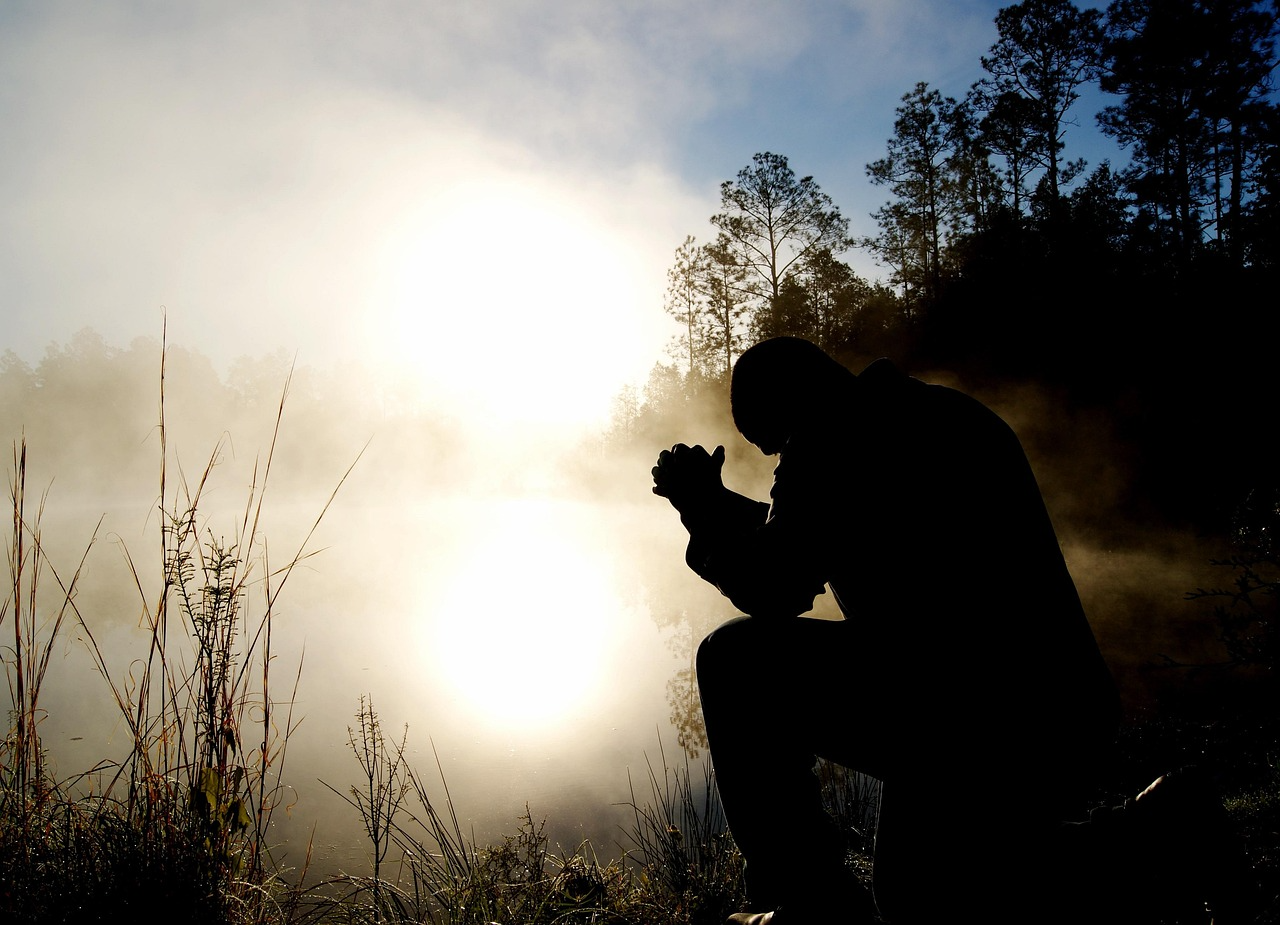
When believers consistently seek God, they develop patience, humility, trust, perseverance, and spiritual discernment. Prayer teaches dependence upon God rather than self-reliance.
Some prayers are answered immediately. Others involve waiting. Yet even during delays, God is working upon the character of the believer.
Romans 8:28 reminds us:
“And we know that all things work together for good to those who love God, to those who are the called according to His purpose” (NKJV).
Sometimes the greater miracle is not the removal of difficulty, but the transformation of the heart during the trial.
Philippians 4:6–7 reveals another blessing prayer brings:
“Be anxious for nothing, but in everything by prayer and supplication, with thanksgiving, let your requests be made known to God; and the peace of God, which surpasses all understanding, will guard your hearts and minds through Christ Jesus” (NKJV)
Notice that the promise is not merely changed circumstances but guarded hearts and minds.
Prayer calms anxiety, strengthens faith, and redirects attention from fear to divine sovereignty.
The Christian who prays regularly often discovers that prayer gradually reshapes desires themselves. Things once considered important lose their grip, while spiritual priorities become clearer.
In this sense, prayer is transformational.
4. Prayer deepens communion and intimacy with God
God does not merely want servants who obey commands and receive blessings. He desires children who know Him intimately.
Throughout Scripture, prayer is connected to friendship and fellowship with God.
Abraham communed with God. Moses spoke with God “face to face, as a man speaks to his friend” (Exodus 33:11, NKJV). David poured out his heart continually before the Lord. Jesus Himself frequently withdrew to lonely places to pray.
If the sinless Son of God valued communion with the Father through prayer, how much more do fallen human beings need it?
Prayer deepens awareness of God’s presence. It cultivates spiritual sensitivity. It helps believers discern God’s will.
Many people think of prayer mainly as a way to present requests. Yet some of the deepest moments in prayer occur when words become fewer, and the soul simply rests in the presence of God.
Psalm 46:10 says:
“Be still, and know that I am God...” (NKJV).
Prayer nurtures this stillness and communion.
Without prayer, spiritual life becomes dry and mechanical. With prayer, faith becomes living, relational, and vibrant.
5. Prayer expresses dependence and faith in God
Prayer is ultimately an act of dependence.
Every time a believer kneels before God, they are acknowledging a profound truth: “I cannot sustain myself. I need divine help.”

Human nature naturally drifts toward self-sufficiency. Prayer combats this illusion.
It reminds us that every good thing ultimately comes from God.
James 1:17 declares:
“Every good gift and every perfect gift is from above...” (NKJV).
Prayer also becomes an expression of faith.
Hebrews 11:6 says:
“For he who comes to God must believe that He is, and that He is a rewarder of those who diligently seek Him” (NKJV).
To pray is to believe that God hears. To pray is to trust that He cares. To pray is to acknowledge that His wisdom is greater than ours.
Even when answers seem delayed, prayer demonstrates confidence in God’s character.
The believer who prays says, in effect, “Lord, I trust You enough to place my life in Your hands.”
Prayer, therefore, becomes one of the clearest expressions of living faith.
Bottomline
Prayer is not about informing God of things He does not know. The all-knowing God already understands every detail of our lives before we utter a single word.
Yet prayer remains essential because it is woven into God’s design for human relationships with Him.
We pray because:
- God respects human free will.
- Prayer is God’s appointed means of communication.
- Prayer transforms the believer.
- Prayer deepens intimacy with God.
- Prayer expresses dependence and faith.
Far from being unnecessary, prayer is one of heaven’s greatest privileges.
The mystery is not that God knows our needs before we ask.
The greater mystery is that the Creator of the universe lovingly invites us to come boldly into His presence and speak with Him.
As Hebrews 4:16 encourages:
“Let us therefore come boldly to the throne of grace, that we may obtain mercy and find grace to help in time of need” (NKJV).
Prayer is therefore not merely a religious duty. It is an invitation into fellowship with God Himself.
So, how long has it been since you talked with the Lord and told Him your heart’s hidden secrets?


The hymnwriter says “… He talks with me and He tells me I am His own…” This is a relationship with GOD! People make time, block their calendars, even move mountains for those they truly value and thus cherish, o that we may value and cherish GOD and we will not struggle much with sustaining the relationship in communion with Him!
LikeLiked by 2 people
A little talk with Jesus makes me whole….
LikeLike