
Every woman’s body carries a unique rhythm—a monthly cycle of change, renewal, and release. But for many, this rhythm comes with emotional storms, physical discomfort, and mental heaviness that can feel overwhelming. Some women experience it mildly, while others face intense emotional crashes that disrupt their relationships, work, spiritual life, and sense of self.
In Christian spaces, these experiences are often not talked about enough. Yet they are very real, and they deserve understanding, compassion, and wisdom—not silence or shame.
This guide is written to help you understand what PMS and PMDD truly are, why they happen, how they affect your emotions and spiritual life, and most importantly, how you can navigate them with grace, knowledge, and a deep awareness of God’s gentle care.
Let’s explore this with softness and honesty.
What Really Happens in PMS?
Premenstrual Syndrome (PMS) is a group of emotional and physical symptoms that occur after ovulation and before your period starts. Because hormones shift drastically in this phase—especially estrogen and progesterone—the brain also experiences changes in mood-related chemicals like serotonin.
This is why you may feel:
- More emotional than usual
- Easily irritated
- Slightly fatigued
- Foggy or unable to focus
- Sensitive to small things
- Tired of people
- Unusually hungry
- Bloated or uncomfortable
These experiences do not mean you are unstable or overreacting. They are real, biological responses to hormonal fluctuations that affect your nervous system, your brain chemistry, and your emotional margins.
Approximately 75% of women experience some form of PMS, so you are far from alone.
The Weight of PMDD: When It’s More Than PMS

While PMS is common, PMDD (premenstrual dysphoric disorder) is much more intense and can dramatically affect day-to-day functioning.
Women with PMDD may experience:
- Sudden emotional crashes
- Feelings of hopelessness
- Intense irritability or rage
- Panic attacks or severe anxiety
- Overwhelming sadness
- Difficulty focusing
- Feeling disconnected from reality
- Emotional sensitivity that feels uncontrollable
- Crying spells for no obvious reason
- Deep exhaustion or insomnia
PMDD is not “moodiness,” nor is it a spiritual attack, nor a lack of prayer.
It is a recognized medical condition where hormone changes trigger extreme emotional responses.
This is important:
PMDD is not your fault, and it is not a reflection of weak faith.
A Biblical Perspective: God Understands Hormonal Struggles More Than You Think
The Bible never directly mentions PMS or PMDD, but it is filled with stories of people who faced emotional overwhelm, exhaustion, and inner turmoil—even prophets, kings, and spiritual leaders.
Here are truths every Christian woman needs to rest in:
God Sees Your Frailty With Kindness
“For He knows how we are formed,
He remembers that we are dust.”
— Psalm 103:14 (NIV)
God doesn’t expect you to be emotionally strong every day.
He understands your physical limits and cares about the rhythms of your body.
Nothing about your hormones surprises Him.
Emotional Overwhelm Is a Human Experience, Not a Sin
Elijah, after performing a powerful miracle on Mount Carmel, reached a point of emotional collapse. He felt so overwhelmed that he prayed for his life to end (1 Kings 19). Yet God did not scold him. He tenderly responded with:
- Rest
- Food
- Water
- Silence
- A gentle whisper
This story shows something crucial:
God does not respond to emotional breakdown with condemnation. He responds with care.
Your Body Is a temple—it deserves compassion and care.
“Do you not know that your bodies are temples of the Holy Spirit…? ”
— 1 Corinthians 6:19 (NIV)
Caring for your hormonal health is not selfish.
It is stewardship—a form of worship.
Your health matters to God.
Why PMS and PMDD Hit You So Deeply—Emotionally and Spiritually
Hormones impact:
- Mood regulation
- Memory
- Stress tolerance
- Irritability
- Patience
- Sensitivity
- Emotional resilience
Because of these shifts, you may feel:
- Far more sensitive than usual
- Emotionally fragile
- Easily irritated
- Uncertain about your worth
- Alone or misunderstood
- Spiritually disconnected
- Guilty for feeling “unlike yourself”
This does not mean your relationship with God is weak.
It means you need extra compassion during this phase, not criticism.
Your emotions are not sinful—they are signals.
Gentle, Practical, Christ-Centered Ways to Manage PMS and PMDD
Here are soft, holistic tools that blend science, lifestyle, and spirituality. These tools helped me come up with my menstrual cycle ritual or routine, and I have seen how it has impacted my life positively.
1. Track Your Cycle With Intention and Grace
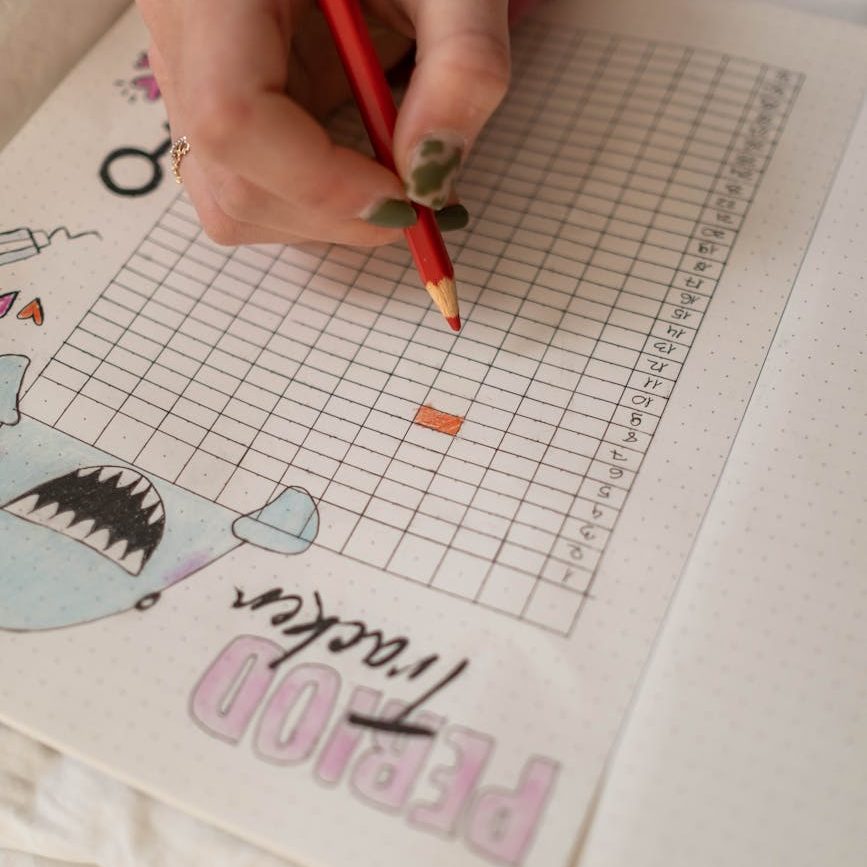
Knowing your cycle helps you:
- Expect emotional days
- Plan lighter schedules
- Prepare spiritually
- Communicate better with loved ones
- Give yourself permission to slow down
Awareness is freedom.
Intentional living is the way to go.
2. Honor Your Need for Rest
Rest is not a luxury; it’s a biblical principle.
Jesus Himself told His disciples:
“Come with me by yourselves to a quiet place and get some rest.”
— Mark 6:31 (NIV)
During PMS/PMDD days:
- Decline extra responsibilities
- Allow yourself quiet time
- Limit overstimulating environments
- Withdraw gently when you feel overwhelmed
This is not weakness—it’s wisdom.
3. Eat in a Way That Supports Emotional Stability
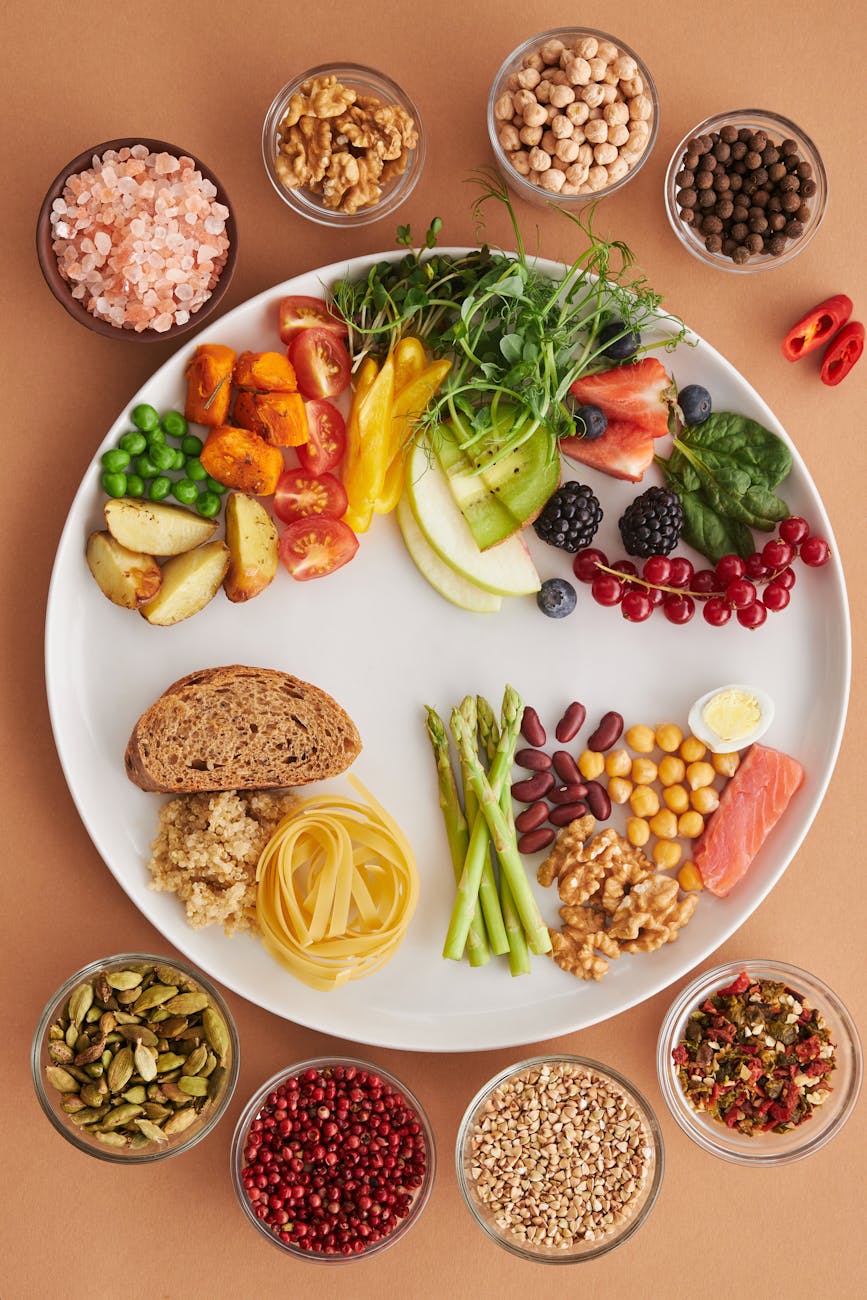
Certain foods help regulate hormones, reduce bloating, and support mood:
- Leafy greens (magnesium boosts mood)
- Bananas
- Almonds & cashews
- Whole grains
- Oats
- Avocado
- Salmon or chia seeds
- Herbal teas (chamomile, ginger, mint) )
Reduce:
- Caffeine
- Excess sugar
- Highly processed foods
- Very salty snacks
Your diet can drastically influence your emotional balance.
4. Use Gentle Movement to Calm Your Nervous System
Your body releases endorphins when you move, which helps stabilize emotions.
Try:
- Nature walks
- Gentle stretching
- Pilates
- Cycling
- Deep-breathing routines
- 10–15 minutes of slow movement at home
You don’t need intensity—just consistency.
5. Create a Soft Spiritual Routine for Hard Days
When hormones shake your emotions, spirituality can feel harder. You may struggle to pray, focus, or feel connected.
Here is a gentle approach for those days:
- Whisper a short prayer
- Read one comforting Psalm
- Listen to calm worship music
- Sit quietly in God’s presence
- Write one gratitude in your journal
God is not measuring your energy level.
He sees your heart.
6. Give Yourself Permission to Feel Without Judgment
Your emotions may feel unfamiliar or exaggerated during PMS/PMDD.
Instead of fighting them:
- Pause
- Breathe
- Acknowledge what you feel
- Offer it to God
- Release guilt
Self-condemnation worsens symptoms.
Self-kindness softens them.
7. Let Your Relationships Support You

Communicate with grace:
- Tell your partner which days are sensitive
- Ask friends for patience
- Allow a family member to help with chores
- Tell your boss you’re having a low-energy day
You are not a burden.
People who love you want to understand you.
8. Seek Medical Support Without Shame
If your symptoms:
- Disrupt your life
- Harm your relationships
- Cause severe depression
- Lead to daily anxiety
- Make you feel out of control
- Interfere with work or school
Please reach out to:
- A doctor
- A Christian therapist
- A gynecologist
- A counselor
You are not “less spiritual” because you seek help.
Medical wisdom is also God’s wisdom—He gives knowledge to doctors for healing.
Gentle Encouragement

Your cycle does not define your identity.
Your emotions do not measure your faith.
Your hormonal storms do not cancel God’s love, presence, or tenderness toward you.
You are a woman created with beautiful complexity—mind, body, and spirit woven together by God’s intentional design.
Even in the days when you feel fragile, emotional, or overwhelmed, you are still held gently in His hands.
You are not dramatic.
You are not too much.
You are not difficult.
You are simply human—and deeply loved.
And God walks with you through every phase, every wave, every tear, and every moment of strength and weakness.
You are safe, seen, and surrounded by grace.

 The Cleaver
This is my favourite Psalm:
God understands and is willing to help us when life demands so much for us…
Health and wellness for our girls, mothers, sisters—matters to the Master.
Thanks @Debbie
LikeLike