
One of the saddest commentaries about sin ever written in the Bible is that its pleasures are seasonal. Any gratification and rewards that sin affords the sinner do not endure the test of time. It starts with extravagant promises, but it seldom goes all the way.
Hope you have not forgotten what the word season means—“a time characterized by a particular circumstance or feature”. And we can relate to it on our terms.
For farmers, you know there is planting season and the vintage when we bring in the sheaves.
To astronomers, “each of the four divisions of the year (spring, summer, autumn, and winter), marked by particular weather patterns and daylight hours, resulting from the Earth’s changing position with regard to the sun.”
And even geographers can understand it in seasonal rivers. Those rivers are promising during the rainy season, but soon dry up when the winds blow away the rain.
How certain is the failure of projects sustained by seasonal rivers?
A city whose lighting is sustained by a seasonal river is doomed to a blackout sooner or later. To make it clearer, anything that is useful in one season but can’t promise anything for the next is not safe to plan with for a long time.
To understand the seasonal nature of the pleasures of sin, here is a scriptural overview and examples. We will cover:
Let’s set the foundation for this concept from the Bible.
Scriptural Basis
The Bible makes it clear that, “By faith Moses, when he was come to years, refused to be called the son of Pharaoh's daughter; Choosing rather to suffer affliction with the people of God, than to enjoy the pleasures of sin for a season; Esteeming the reproach of Christ greater riches than the treasures in Egypt: for he had respect unto the recompence of the reward”(Hebrews 11:24-26, KJV).
Walter Leonard Pearson Jr. did a wonderful sermon on this text, which I equally find valuable to this subject. You will love it:
Moses, because of his matrilineal ties with the daughter of Pharaoh, was brought into a tough corridor where he must make a choice of going all the way to become the next Pharaoh. He could not accept this and remain true to Yahweh, yet by accepting the offers that naturally accrued to his position, he would cut ties with the true God and unite his eternal interest with the Egyptian gods and idols.
Comparing what Egypt offered for that season with what remaining faithful to God would offer for eternity, Moses chose to remain faithful to God, and this resulted in a total change in his life.
Moses must have learned a lesson that most of us are slow to learn and ready to forget, of weighing eternal things more valuable than the seasonal pleasures of sin. Scripture and human history are dotted with men and women who have been confronted with such options and whose failures are written to serve as a warning to all of us.
We will look at a few of them.
Scriptural Examples
The Bible tells great stories of men and women whose lives would have ended differently had they thought of eternity instead of sacrificing everything to the ephemera and follies of passing seasons.
- The Fall of Adam & Eve

When confronted by the serpent to go against God’s will, Eve reasoned that the forbidden fruit was “good for food, that it was pleasant to the eyes, and a tree desirable to make one wise” (Genesis 3:6). The devil convinced her that disobeying God would bring enlightenment and joy.
She grabbed the fruit and led her husband to the same path of doom. They did come to know good and evil, but were soon chased out of the garden against their will.
Instead of gaining freedom, Adam and Eve felt shame and fear. They were expelled from Eden, cursed with suffering, and ultimately subjected to death (Genesis 3:16-19). The pleasure of sin lasted only a moment, but the consequence was lifelong.
- Samson in the arms of Delilah
Samson was destined for greatness from conception. He was to be the judge of Israel and an avenger against the Philistians. When he came of age, Samson chose a path of unbridled marital alliances with Philistine women.
He finally fell into the arms of a philistine woman in the vale of Sorek called Delilah “the Consumer.” Samson was drawn to her seductive charms despite her repeated attempts to betray him (Judges 16:4-6). It was time for pleasure; unfortunately, sinful pleasures are seasonal.

At the end, Delilah betrayed him, and he was captured, blinded, and enslaved by the Philistines (Judges 16:19-21). His momentary pleasure led to his downfall.
- David & Bathsheba
David, a man after God’s own heart, conquered great armies and soldiers. However, in his lazy season, when the Kings were supposed to lead their soldiers to war, he took a sabbatical and met a battle he couldn’t win. He saw Bathsheba bathing and sent for her.
The result of their encounter soon confronted them, and King tried to get Uriah to cover the mess, but he failed. He ended up making plans that ensured Uriah’s death, but he didn’t achieve the peace he was trying to achieve.
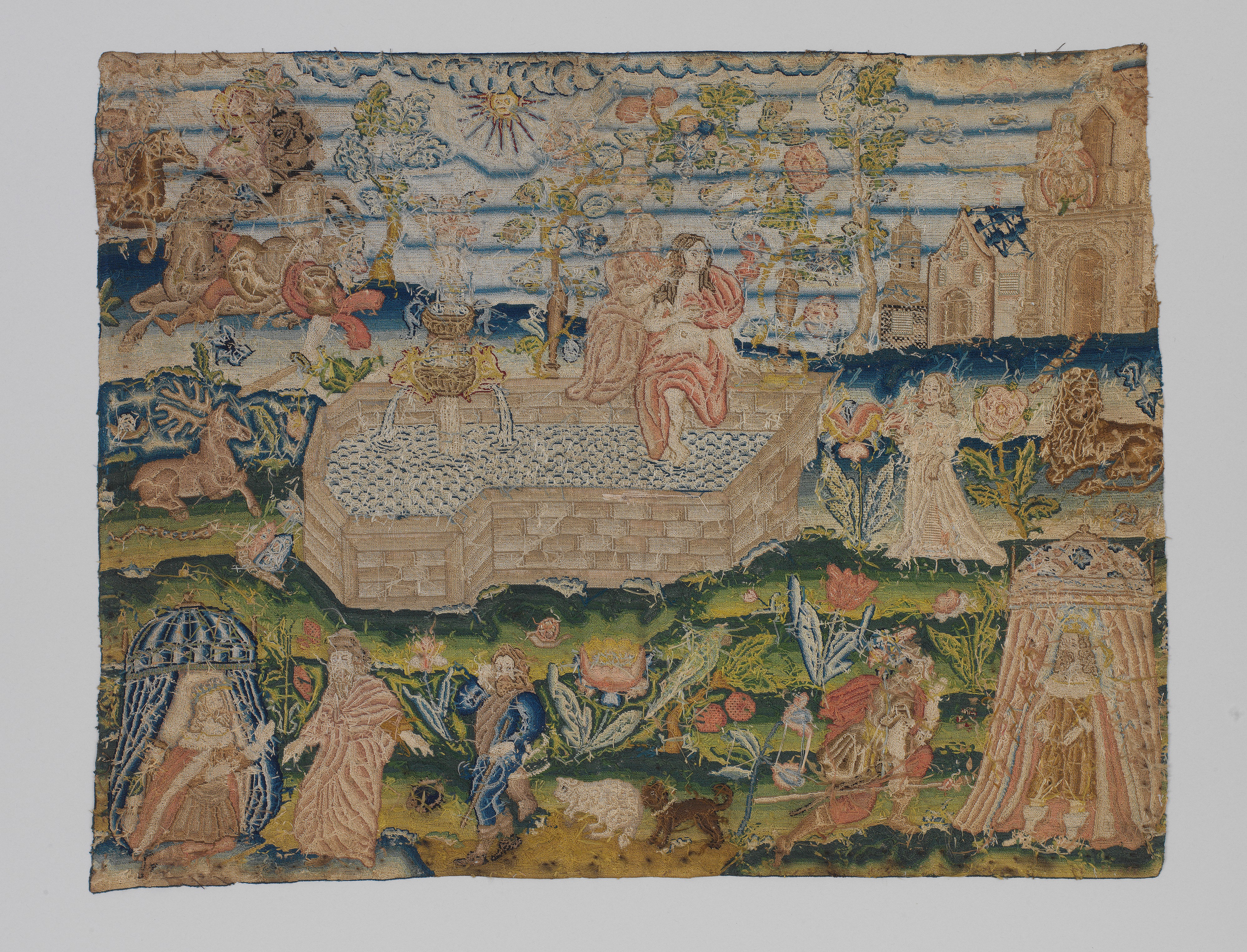
Prophet Nathan confronted him with a pointed word of God, and he had a moment of bitter repentance. It felt good, and he thought himself cunning in closing deals. But the season of pleasure was replaced by a season of doom, remorse, and terrible consequences that destabilized his family and his latter years.
Divine rebuke has never been sharper than that recorded against David’s sin:
“I anointed you king over Israel, and I rescued you from Saul. I gave your master’s house to you and your master’s wives into your arms, and I gave you the house of Israel and Judah, and if that was not enough, I would have given you even more. Why then have you despised the Lord’s command by doing what I consider evil? You struck down Uriah the Hethite with the sword and took his wife as your own wife—you murdered him with the Ammonite’s sword. Now therefore, the sword will never leave your house because you despised me and took the wife of Uriah the Hethite to be your own wife.’ “This is what the Lord says, ‘I am going to bring disaster on you from your own family: I will take your wives and give them to another before your very eyes, and he will sleep with them in broad daylight. You acted in secret, but I will do this before all Israel and in broad daylight” (2 Samuel 12:7-12, CSB).
- The Prodigal Son
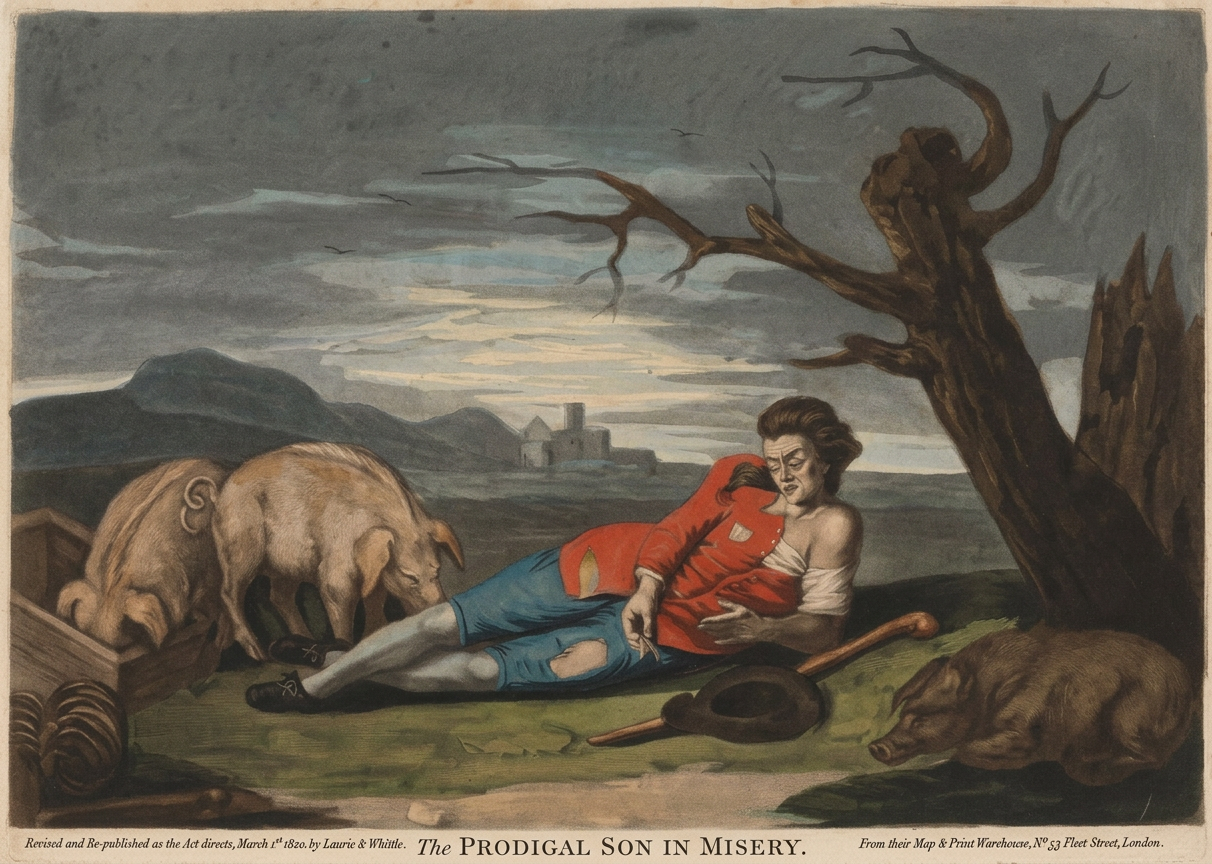
The younger son in Jesus’ parable was impatient to enjoy life. He demanded his inheritance early and left home to pursue pleasure (Luke 15:12-13). Away, in a faraway country without anyone to hold him accountable, he wasted his patrimony in riotous living. He was the big man, speaking the language of God, “let there be this or that,” and it was.
But bankruptcy is inevitable for everyone who only knows how to spend and not make money.
Soon, he realized that the amount he was spending was the last in his coffers. When his money ran out, his so-called friends abandoned him, and he was left destitute. He was so hungry that he longed to eat the food given to pigs (Luke 15:14-16).
Ellen White, in her powerful volume, Christ’s Object Lessons, gives a sobering comment on this account:
“What a picture here of the sinner’s state! Although surrounded with the blessings of His love, there is nothing that the sinner, bent on self-indulgence and sinful pleasure, desires so much as separation from God. Like the ungrateful son, he claims the good things of God as his by right. He takes them as a matter of course, and makes no return of gratitude, renders no service of love. As Cain went out from the presence of the Lord to seek his home; as the prodigal wandered into the “far country,” so do sinners seek happiness in forgetfulness of God. Whatever the appearance may be, every life centered in self is squandered. Whoever attempts to live apart from God is wasting his substance. He is squandering the precious years, squandering the powers of mind and heart and soul, and working to make himself bankrupt for eternity.” –Christ’s Object Lessons, P. 200
Key Takeaway
The key takeaway from these stories is that sin is deceptive and temporary. When the second season of consequences and retributions arrives, all sinners do not find the pleasure in the sin that took them to such undesirable destinations.
In all these stories, the truth promised in God’s word, “If we confess our sins, he is faithful and righteous to forgive us our sins and to cleanse us from all unrighteousness”(1 John 1:9, CSB), is also made clear.
Instead of chasing temporary pleasure, we are called to seek eternal joy in Christ. As Psalm 16:11 (NKJV) beautifully states:
“You will show me the path of life;
In Your presence is fullness of joy;
At Your right hand are pleasures forevermore.”
We have a season and eternity competing for our allegiance. Isn’t eternity worth crucifying self and every cherished idol for? It is worth it in every way.


sin takes you further than you ought to go keeps you longer that you ought to stay
LikeLiked by 1 person
Sin don’t tell the whole story… it tells the old story
LikeLike