
There are statements in the Bible or spiritual books that we sometimes take casually. And by doing this, we miss their intent and purpose. Such statements look so simple, yet they have depth that requires a lot of careful consideration to glean.
One such statement is, “Our faith must rest upon evidence, not demonstration” drawn from Ellen White’s masterpiece Steps to Christ.
“God never asks us to believe, without giving sufficient evidence upon which to base our faith. His existence, His character, the truthfulness of His word, are all established by testimony that appeals to our reason; and this testimony is abundant. Yet God has never removed the possibility of doubt. Our faith must rest upon evidence, not demonstration.” (Steps to Christ, p. 105)
The statement reflects a fundamental biblical principle about the nature of faith and how it is established. Let’s break it down carefully.
We’ll cover:
- Faith Based on Evidence
- Faith Based on Demonstration
- Is There Any Danger In Basing Our Faith On Signs And Miracles?
- Implication for Christian Life
- Conclusion
Faith Based on Evidence
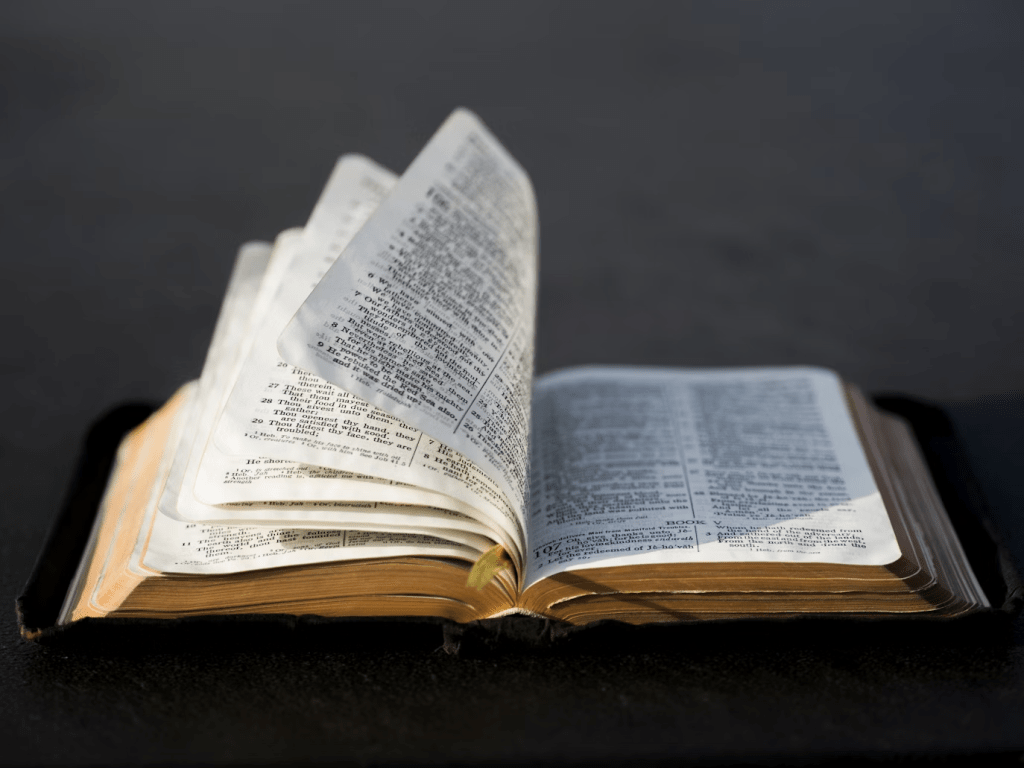
Faith in the biblical sense is not blind belief but trust grounded in sufficient evidence. The Bible itself presents faith as being built upon God’s revealed truth, historical reality, and personal experience with Him.
For example:
- Hebrews 11:1 (NKJV) – “Now faith is the substance of things hoped for, the evidence of things not seen.”
This verse teaches that faith involves confidence in God’s promises, even if we do not yet see their fulfillment. - John 20:29 (NKJV) – “Jesus said to him, ‘Thomas, because you have seen Me, you have believed. Blessed are those who have not seen and yet have believed.’”
Thomas wanted physical proof (demonstration), but Jesus commended those who believe based on evidence rather than direct sight.
God provides ample evidence of His existence, character, and work—through Scripture, fulfilled prophecy, nature, the historical testimony of Jesus Christ, and personal transformation. But He does not force belief through irrefutable demonstration, which would remove the element of faith and free will.
Faith Based on Demonstration

“Demonstration” here refers to absolute, undeniable proof that compels belief without requiring trust. God does not use overwhelming signs to coerce faith because that would bypass the heart’s free response.
Biblical examples illustrate this principle:
- Pharaoh in Exodus (Exodus 7-11) – Despite witnessing miraculous plagues, Pharaoh hardened his heart. Even overwhelming demonstrations of God’s power do not guarantee faith.
- The Rich Man and Lazarus (Luke 16:31) – Jesus says, “If they do not hear Moses and the prophets, neither will they be persuaded though one rise from the dead.” Miracles alone do not produce lasting faith.
- Satan’s Temptation of Christ (Matthew 4:5-7) – Satan demanded that Jesus throw Himself from the temple to “prove” His divinity, but Jesus refused, relying instead on God’s word.
Is There Any Danger In Basing Our Faith On Signs And Miracles?
We’ve seen that God is not keen to compel faith by the use of signs and wonders. Instead, He appeals to our conscience through His word and character.

Yet this position is not without a cause. While God can use signs and wonders—like in the case of Moses and the burning bush (Exodus 3) and Gideon and the fleece of wool (Judges 6)—such capabilities are not exclusively divine. Even the devil can inspire his servants to perform signs and wonders.
Especially, those who put their faith in demonstrations are going to be victims of satanic deceptions in these last days. The Bible warns:
“And I saw three unclean spirits like frogs coming out of the mouth of the dragon, out of the mouth of the beast, and out of the mouth of the false prophet. For they are spirits of demons, performing signs, which go out to the kings of the earth and of the whole world, to gather them to the battle of that great day of God Almighty” (Revelation 16:13-14, NKJV)
These signs and wonders (demonstrations) will be so compelling to the extent that they can even jeopardize the elect.
“For false christs and false prophets will rise and show great signs and wonders to deceive, if possible, even the elect” (Matthew 24:24, NKJV)
Learn more about the Agency of Evil Angels in this 9-minute audiobook.
Implication for Christian Life
Faith grows as we engage with God’s revealed truth. While miracles and signs can support faith, they are not its foundation.
The Christian’s faith should rest on:
- The truth of God’s Word (Romans 10:17 – “Faith comes by hearing, and hearing by the word of God.”)
- The evidence of Christ’s life, death, and resurrection (1 Corinthians 15:3-4)
- The work of the Holy Spirit (John 16:13)
Conclusion
God provides sufficient evidence for faith, but He does not overwhelm human will with irrefutable demonstration that forces belief. True faith involves a willing trust in the evidence of God’s character and promises rather than a demand for undeniable proof.

 The Cleaver
Thanks for this item. You have encouraged a soul. Remain blessed.
LikeLiked by 1 person
Welcome Martha… I’m glad.
LikeLike
Wow!This is wonderful 🔥
Insightful Indeed!👌
LikeLiked by 1 person
Amen, we need a faith that trust the word of God
LikeLike
The word of god (the bible) has been so corrupted by man as to lose reliability.
LikeLiked by 1 person
The Text or the Interpretation?
LikeLike