In a world that increasingly celebrates instant gratification, it’s easy to be tempted by the shortcut—the quickest path to success, the fast lane to our goals.
But much like landing on a mountaintop by helicopter instead of climbing it step by step, skipping the growth process can leave us unprepared and vulnerable to the challenges we face at the top.
True accomplishment comes from the journey, not just the destination. Embracing the process equips us with the resilience, wisdom, and perspective needed to thrive when we finally reach our goals.
We’ll look at:
- Why Skipping the Process Can Be Dangerous
- The Risks of Rapid Ascent: A Lesson from Altitude Sickness
- The Climb: Building Strength, Grit, and Wisdom
- The Dangers of Reaching the Top Abracadabra
- The Journey is the Reward
- Embrace the Climb, Not the Helicopter
Why Skipping the Process Can Be Dangerous
Imagine being dropped off by helicopter at the peak of a towering mountain, having skipped the demanding and step-wise climbing. This looks exciting.
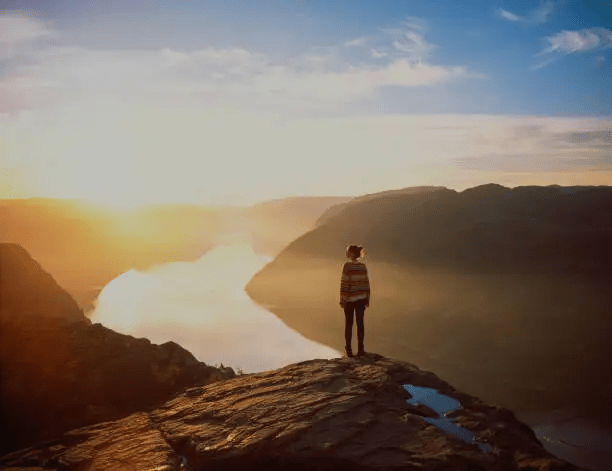
This seems ‘wise’ to the modern ambassadors of soft life who are keen on acquiring it the easier way.
As exhilarating as it seems to stand at the summit instantly, the reality is different. You’ve missed out on something essential: acclimatisation to the altitude.
Your body adjusts to the conditions high up the summit as you conquer the ascent. By finding yourself on the mountaintop abracadabra, you run a recipe for disaster.
Just as mountaineers gradually adjust to the thinning air during their climb, we, too, must prepare ourselves step by step.
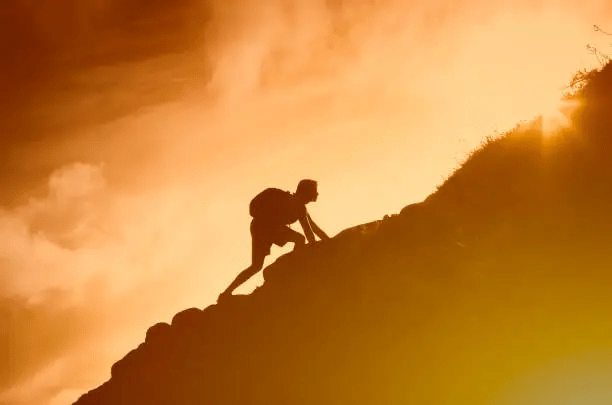
We must be ready for the challenges we will face at life’s highest points.
The high table is not the place to learn dining manners. Furthermore, the temptations and the demand of the high places are greater than those of the lower or mediocre middle.
Let’s appreciate it more from altitude sicknesses.
The Risks of Rapid Ascent: A Lesson from Altitude Sickness
In mountaineering, ascending too quickly without proper preparation can lead to altitude sickness.
Here are some of the common ones:
- Acute Mountain Sickness (AMS)
AMS is one of the most common altitude sickness. It affects people whose bodies haven’t had time to adjust to the decreased oxygen levels that come with high altitudes. It comes with symptoms like headaches, nausea, and dizziness. You don’t want that at the mountaintop.
In life, this can be compared to reaching success too quickly without the necessary personal growth, skills, or emotional fortitude. Without the gradual buildup of strength and character, even small obstacles can feel overwhelming. Personal preparation is key when climbing the mountains of life.
- High-Altitude Pulmonary Edema (HAPE) or High-Altitude Cerebral Edema (HACE)
HAPE or HACE are other potential altitude sicknesses considered more dangerous. These are life-threatening conditions. Fluid builds up in the lungs or brain. This is due to a lack of acclimatisation (getting used to a new climate or situation).
Think about life and the challenges of life that need acclimatisation and adjusting. Stepwise growth and adapting to life make a huge difference.
These remind us that the cost of skipping important steps can be dire. Not only can we struggle to thrive at the top, but we also suffer profound setbacks. We might even collapse under pressure.
The Climb: Building Strength, Grit, and Wisdom
When you climb a mountain, you don’t simply aim for the top; you prepare for every step along the way. And this means, you’ll prepare more for the climb rather than conquest.
Each stage of the climb—whether it’s navigating through rough terrain, learning to endure fatigue, or battling unpredictable weather—builds your strength. This teaches valuable lessons.
Similarly, life’s gradual processes serve to sharpen our abilities. They develop our endurance and make us resilient in the face of adversity.
It can come to us through:
- Facing the Challenges: We tackle difficulties in our personal and professional journeys. This helps us build technical skills. It also helps us build emotional resilience. These challenges prepare us to handle the weight of responsibility and success when we finally reach the “mountaintop.”
- Learning Patience and Perseverance: The journey up a mountain teaches climbers the importance of pacing themselves. The same applies to life. Patience, cultivated through the steady progress toward our goals, allows us to approach life’s summit with calm and focus. We are not overwhelmed by the altitude of our success.
- Growing Through Setbacks: The climb isn’t always linear. A mountaineer may have to descend to a base camp to acclimatise before ascending further. Similarly, we often face setbacks or detours in life. These aren’t failures. They are necessary pauses. These pauses allow us to build the strength needed for the next leg of the journey.
The Dangers of Reaching the Top Abracadabra
Just as altitude sickness is more likely when someone ascends a mountain too quickly, reaching the summit of our goals without going through the process can lead to similar consequences in life:
- Lack of Preparedness: Those who skip the hard work of personal growth may find themselves unprepared. They may not be ready for the challenges at the top. This includes handling leadership responsibilities, managing success, or coping with the expectations that come with achievement.
- Imposter Syndrome: Rapid success can lead to feelings of inadequacy. If we haven’t developed the skills or confidence to match our achievements, we may feel like imposters. We can be constantly afraid of being “found out.” We may also be overwhelmed by the pressure to perform.
- Burnout: When we’re unprepared for the demands of being at the top, the mental and emotional strain can be overwhelming. This can lead to burnout. A climber suffering from HACE may experience confusion and disorientation. Similarly, those who achieve success without the proper foundation may find themselves mentally adrift. They may be unsure of how to navigate their new reality.
The Journey is the Reward
The top of the mountain may offer breathtaking views, but the most meaningful part of the journey is what happens on the way up.
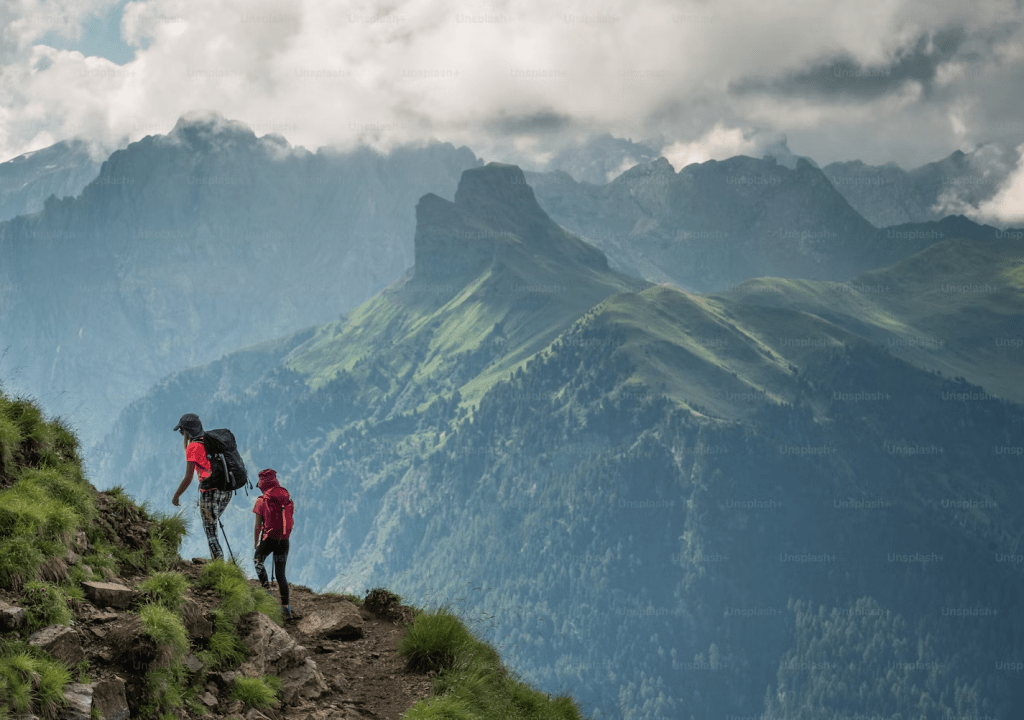
The struggles, the doubts, the perseverance—these are the things that shape us, that give us the strength to stand firm when we finally reach our peak. It’s in the climb that we discover who we are, what we’re capable of, and what truly matters.
When you commit to the process, you build more than just a path to your goal—you build the character needed to stay at the summit. You become stronger, wiser, and more grounded, prepared not just to reach your dreams, but to sustain them once you do.
Embrace the Climb, Not the Helicopter
It’s easy to be drawn to the allure of shortcuts, to want the helicopter ride straight to the glorious summit. But shortcuts rob you of the invaluable lessons that come from the process. They deprive you of the opportunity to grow, to develop resilience, and to fully appreciate the journey.
The real prize isn’t the summit itself, but the person you become on the way up.
Each step matters. Every challenge strengthens you. Every setback teaches you. When you reach your mountaintop—whatever that may be—you’ll stand there not just as someone who’s arrived. You’ll be someone who’s earned the right to be there.
So embrace the climb. It’s what prepares you to handle the heights. It helps you thrive in the thin air. It lets you enjoy the view with a heart full of gratitude for every step that brought you there.
An opportunity that promises you the glorious summit without the journey, is not an opportunity. It’s a shortcut to shame and defeat. Refuse it!

 The Cleaver
It’s a journey upward the summit not the summit downward,
I want to get to the top
LikeLike
O yes… the journey builds us…
LikeLike
So inspiring indeed. No shortcut in life. It’s you either embrace the long way or surrender.
LikeLike
Shortcuts are deep cuts
LikeLiked by 1 person
The real prize isn’t the summit itself, but the person you become on the way up. Amen
LikeLike
Poweer. say t again!
LikeLike
The real prize isn’t the summit itself, but the person you become on the way up. That’s the word!
LikeLike
[9/26, 09:33] Sam: The real prize isn’t the summit itself, but the person you become on the way up.
That’s the word
Lakini when I remember the day that I hiked the 7 hills of Ngong’ 😂😂😂😂
Wueh 😅 Chest pains😂
Everything that the article mentioned is something I went through on those hills. Hill one scares you, but once you go over it, you meet an even scarier hill 2😂😂😂
Fortunately, I pushed through with the phrase one foot in front of another.
Kidogo I trademarked that statement juu I came up with it out of nowhere, but as you’ve seen ile trend ya Kenya is Home phrase, you know this one would have gone to the dogs if I pushed it as my idea😂😂😂
Anyways.
Conquered all the 7 hills and jumped high in the sky as an exhilaration of the success gotten, I didn’t fuss even as we returned all the way.
I’ll say though that I was tired to the superlative degree, which funny enough, lots of food offset the fatigue😂😂😂😂
Loads of lessons on hiking and of the experiences, an article worth reading💯
Kwanza today is TBT.
Let me look for that photo in my drive 😅
LikeLike
#onefootinfrontofanother. Life present such mountains and hills, and overcoming the brings a lasting fulfillment.
LikeLike