
Think about the last meal you ate.
Was it mostly one color? One texture? One food group?
For many of us, the honest answer is yes. We find something that works like rice and stew, bread and tea, or the same breakfast every morning, and we stick with it. It feels easier, familiar, and safe.
But step back and look at what God actually placed on this earth for us to eat. Hundreds of fruits. Dozens of grains. Root vegetables in every shade from white to deep purple. Leafy greens, seeds, legumes, and nuts, each one carrying a unique combination of nutrients the human body needs to thrive. The variety was not accidental. It was intentional.
When God designed the human body, He also designed the food that would sustain it, making both extraordinarily diverse. Eating from that full table is not just a health strategy. It is a response to the wisdom of the Creator.
In this article, we will cover:
- God designed a diverse table from the beginning
- Why eating diverse foods matters for your health
- What happens when you stop eating diversely
- Examples of diverse foods you can start eating today
- Practical steps to bring more variety to your plate
Let’s start by looking at the table God curated for us from the very beginning.
God designed a diverse table from the beginning
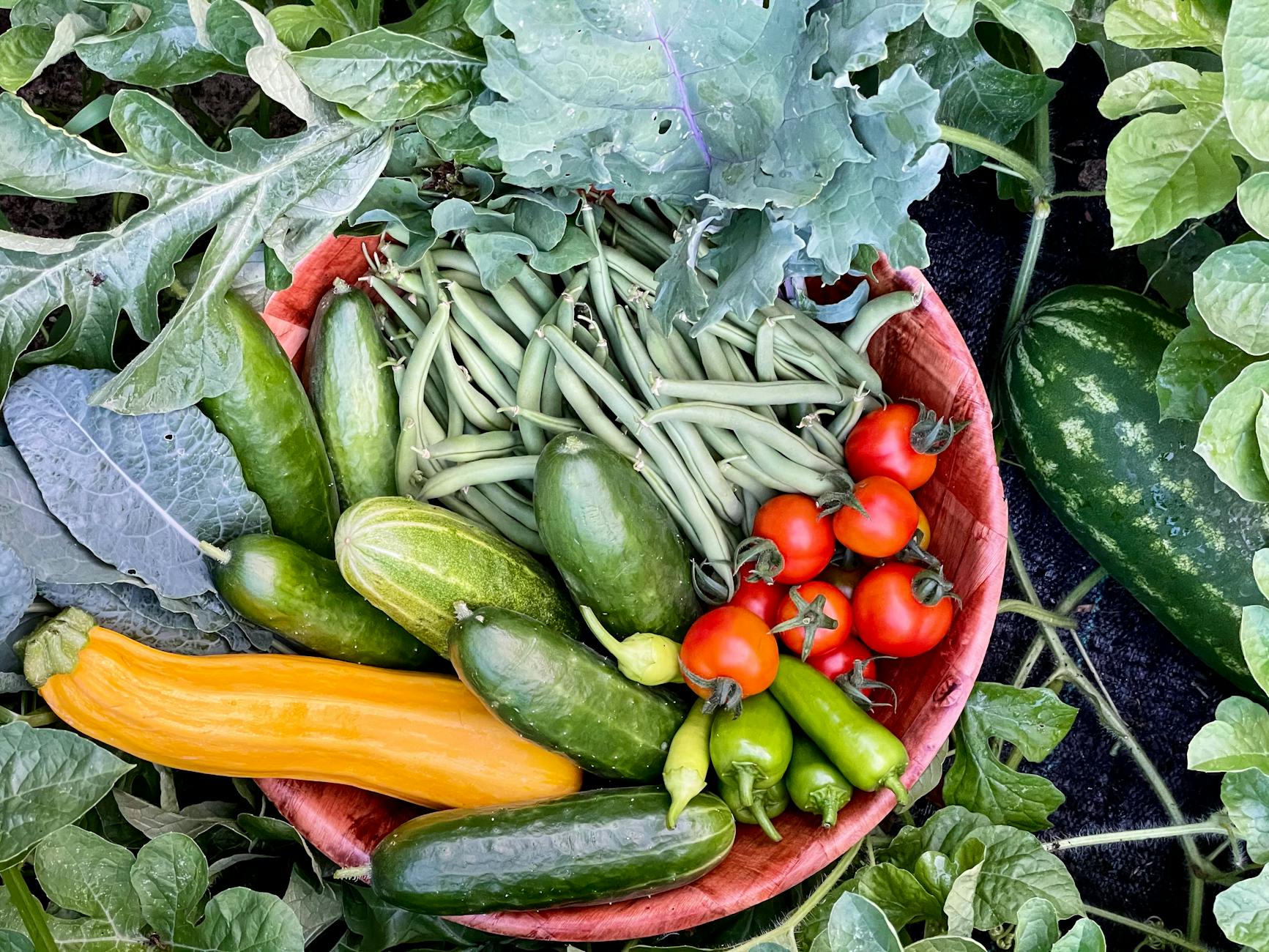
Long before nutrition science had a name, God had already laid out the principles of a healthy diet—and variety was central to His design.
“And God said, ‘Behold, I have given you every herb bearing seed, which is upon the face of all the earth, and every tree, in which is the fruit of a tree yielding seed; to you it shall be for meat” (Genesis 1:29, KJV).
Notice the breadth of that statement. Not one herb, but every herb. Not one tree but every tree yielding seed. From the very beginning, the provision was vast and varied. God did not create a single superfood and say, “Eat this, and only this.” He created an entire garden, a living, colorful ecosystem of nourishment.
Ellen G. White captured this beautifully when she wrote:
“Grains, fruits, nuts, and vegetables constitute the diet chosen for us by our Creator. Prepared in as simple and natural a way as possible, these foods are the most healthful and nourishing.” — The Ministry of Healing, p. 296
Four distinct food groups. Each has its own nutritional profile. Each is necessary. The diversity was not decorative; it was functional. And when we narrow our eating to just one or two categories, we are working against the design.
Understanding why God made food diverse helps us appreciate its practical importance to our bodies.
Why eating diverse foods matters for your health
No single food contains everything the human body needs. This is not a flaw in creation—it is a feature. God built interdependence into the food system, just as He built it into community, into the body of Christ, and into life itself.
Here is what a diverse diet actually does for you:
a) It ensures you get a full range of nutrients
Different foods carry different vitamins, minerals, and compounds. Vitamin C comes primarily from fruits and vegetables. Iron comes from legumes and dark leafy greens. Healthy fats come from nuts and seeds. Calcium is found in dairy and certain vegetables. No single food covers all of these; you need variety to cover the full spectrum your body requires every day.
Beyond individual nutrients, diversity also protects the system that absorbs them.
b) It supports a healthy gut
Research in the field of gut microbiome science consistently shows that people who eat a wider variety of plant foods have more diverse gut bacteria, and diverse gut bacteria is directly linked to stronger immunity, better mental health, and lower risk of chronic disease.
A 2018 study published in the journal Gut found that eating more than 30 different plant foods per week significantly increased gut microbial diversity compared to those eating fewer than 10.https://doi.org/10.1128/mSystems.00115-21
In simple terms, the more varied your plate, the more resilient your body becomes from the inside out.
A diverse diet also helps protect your long-term health in ways that go beyond what you feel today.
c) It lowers the risk of chronic disease
Diets rich in a variety of whole foods, particularly colorful fruits and vegetables, whole grains, legumes, and nuts, are consistently associated with lower rates of heart disease, type 2 diabetes, certain cancers, and obesity. Each food group brings its own protective compounds: antioxidants, phytochemicals, fiber, and anti-inflammatory agents that work together to keep the body functioning well.
Now that we understand what diverse eating does for us, it is equally important to understand what we lose when we stop.
What happens when you stop eating diversely
A restricted diet, even one that feels adequate, can quietly create deficiencies that accumulate over time. The effects are rarely dramatic at first. But they are real.
So, what are some of the things likely to happen when you stop
a) Nutritional deficiencies develop silently
When the same narrow set of foods makes up most of your meals, gaps in essential nutrients begin to form.
Iron deficiency leads to fatigue and weakened immunity. Lack of B vitamins affects nerve function and mental clarity. Insufficient fiber disrupts digestion. Vitamin D deficiency, common in people with limited dietary variety, is linked to depression, bone weakness, and poor immune response.
Many people live with these deficiencies for years without realizing it, attributing the symptoms to stress, ageing, or simply being busy.
Deficiencies affect not just the body but also the mind and spirit.
b) Mental and emotional health suffers
The connection between diet and mental health is one of the most significant and most underappreciated findings in modern nutrition research. A diet low in variety tends to be low in the nutrients that support brain function: omega-3 fatty acids, magnesium, zinc, B vitamins, and antioxidants. https://doi.org/10.1177/2633559X211007491
Without these, mood regulation, concentration, and emotional resilience are all affected.
Ellen White puts it even better:
“The relation that exists between the mind and the body is very intimate. When one is affected, the other sympathizes.” —Ellen G. White, Ministry of Healing, p. 241
Beyond individual health, a restricted diet also weakens the body’s first line of defense.
c) The immune system weakens
A diverse diet feeds diverse gut bacteria, and a healthy gut is the foundation of a strong immune system. When dietary variety decreases, gut diversity decreases too—leaving the body less equipped to fight infection, inflammation, and illness. This is especially significant during seasons of high stress, when the immune system is already under extra strain.
Knowing the risks is one thing. Knowing what to actually eat is another thing, and this is where it becomes practical.
Examples of diverse foods you can start eating today
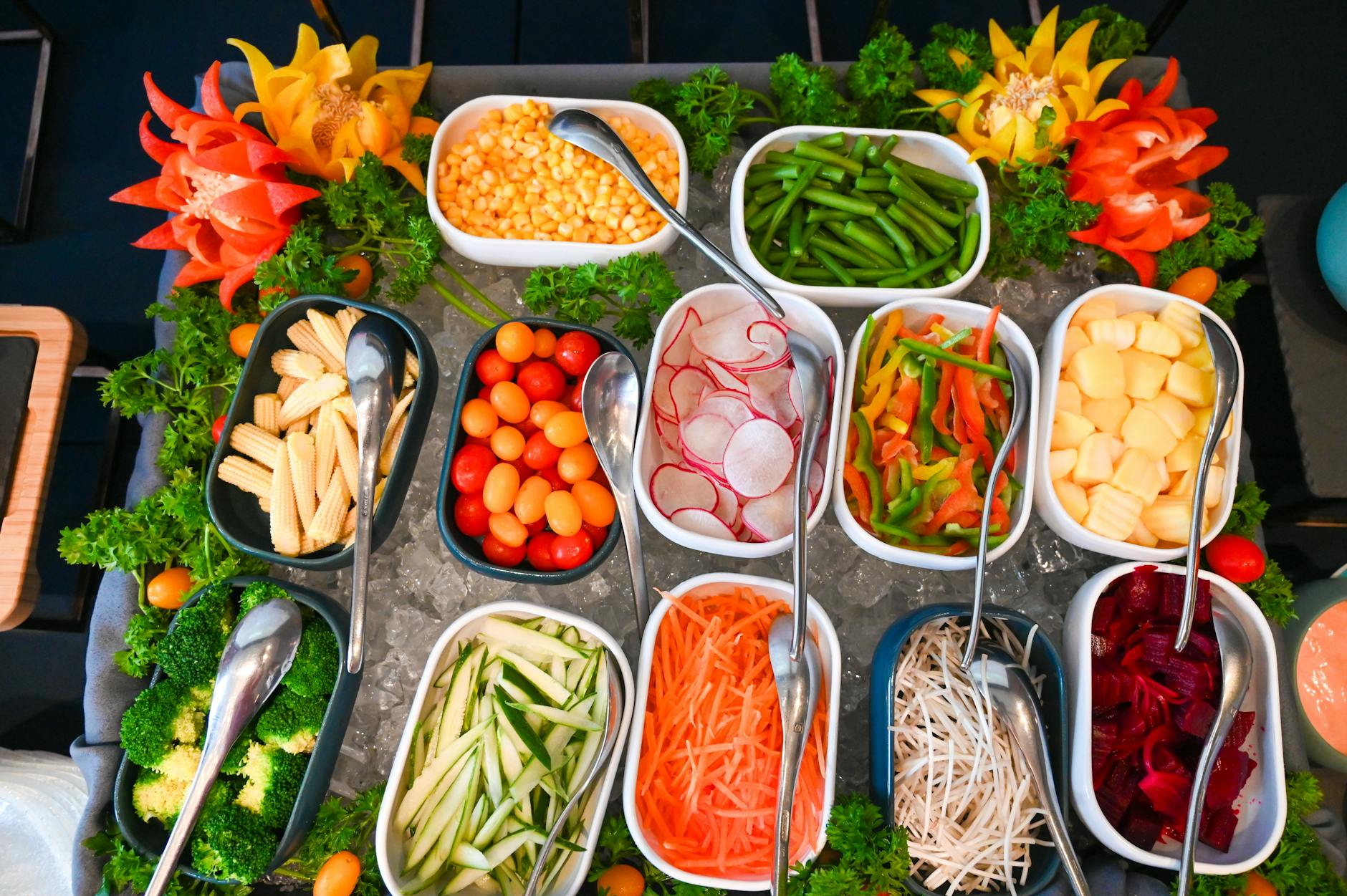
You do not need exotic ingredients or expensive supplements to eat diversely. Most of what your body needs is already available in local markets, at accessible prices.
Here is a practical guide to the main food groups:
- Colourful vegetables
Colourful vegetables matter because they are rich in vitamins, antioxidants, and fiber.
Examples:
- Spinach
- Kale
- Carrots
- Pumpkin
- Beetroot
- Tomatoes
- Sweet pepper
- Fruits
Fruits matter because they are a rich source of natural sugars, vitamin C, and polyphenols.https://www.cambridge.org/core/books/abs/diet-impacts-on-brain-and-mind/essential-nutrient-deficiencies-in-adults/13F35642FA47817883AC3549E0A6E2D8
Examples:
- Bananas
- Mangoes
- Pawpaw
- Passion fruit
- Avocado
- Oranges
- Watermelon
- Whole grains
Whole grains matter because they provide sustained energy, B vitamins, and fibre.
Examples:
- Brown rice
- Millet
- Sorghum
- Oats
- Whole wheat
- Maize
- Legumes
Legumes matter because of their richness in plant protein, iron, folate, and fibre.
Examples:
- Lentils
- Chickpeas
- Black beans
- Cowpeas
- Green grams
- Kidney beans
- Nuts and seeds
Nuts and seeds matter because they are an excellent source of healthy fats, magnesium, zinc, and protein.
Examples:
- Groundnuts
- Sunflower seeds
- Pumpkin seeds
- Sesame
- Cashews
- Almonds
- Roots and tubers
Roots and tubers matter as a reliable source of complex carbohydrates, potassium, and fibre
Examples:
- Sweet potato
- Arrowroot
- Cassava
- Yam
- Irish potato
Notice how many of these foods are already familiar, already part of your culture and cuisine. Diversity does not require reinventing your kitchen. It simply means reaching a little further across the table God has already set.
Knowing what to eat is the first step. Knowing how to practically weave it into daily life is the next step.
Practical steps to bring more variety to your plate
Changing eating habits does not have to be overwhelming. Small, consistent shifts are more sustainable than dramatic overhauls.
Here are seven practical steps to get started:
- Eat by colour
Aim to have at least three different colors on your plate at each meal. Each color in a fruit or vegetable signals a different set of nutrients. Red, orange, yellow, green, purple—each one is doing something distinct in your body. Make your plate look like a garden.
- Rotate your grains
If you eat ugali every day, try substituting one meal a week with millet, sorghum, or brown rice. Small rotations over time introduce new nutrients without disrupting familiar routines.
- Add a legume to at least one meal daily
Lentils, beans, or green grams are affordable, filling, and nutrient-dense. They can be added to soups, stews, or salads or eaten as a main dish. For many Kenyan households, beans are already a staple, so make them a daily one.
- Replace processed snacks with whole foods
Instead of biscuits or crisps, keep a small bag of groundnuts, pumpkin seeds, or dried fruit nearby. The switch is simple, but over weeks and months, it meaningfully changes your nutritional intake.
- Try one new food per week
Visit your local market with the intention of picking up one fruit, vegetable, or grain you have never cooked before. Look up one simple recipe. This gentle curiosity, practiced consistently, builds variety into your life without pressure.
- Make dark leafy greens a daily habit
Spinach, kale, amaranth, and other dark greens are among the most nutrient-dense foods available and among the most affordable in most East African markets. A simple sauté with garlic and olive oil is enough. Your iron levels, your eyes, and your immune system will thank you.
- Drink enough water to support digestion
A diverse diet is most effective when your body is well hydrated. Water helps absorb nutrients, supports digestion, and carries minerals to where they are needed. Aim for at least eight glasses a day, and more if you are active.
Bottomline
God did not have to give us hundreds of foods. He could have made one. But instead, He spread a table of extraordinary abundance: grains and fruits, roots and seeds, leaves and legumes, each one carefully designed to nourish a different part of the body He created.
“O taste and see that the Lord is good” (Psalm 34:8, KJV).
Eating diversely is one of the most practical, accessible, and God-honoring things you can do for your health.
It does not require a special diet plan or an expensive grocery bill. It requires curiosity, intention, and a willingness to explore the full richness of what has already been provided.
The table has been set. Pull up a chair and eat from the whole of it. Or, as our good friends The SoC-Kenya sing it, ‘All things are ready; come to the feast…’

 The Cleaver