Growing up in the lake region—Lake Lolwe, famously known as Lake Victoria—we were introduced to Raila Odinga as our Kingpin. At first, this was almost a fanatic following, an inherited, inexplicable penchant for the son of Jaramogi.
Like his father, Jaramogi Oginga Odinga, stories went around that Raila was indomitable, indefatigable, and somewhat beyond human destruction. This is the reason behind the the Agwambo, which in English is an enigma.
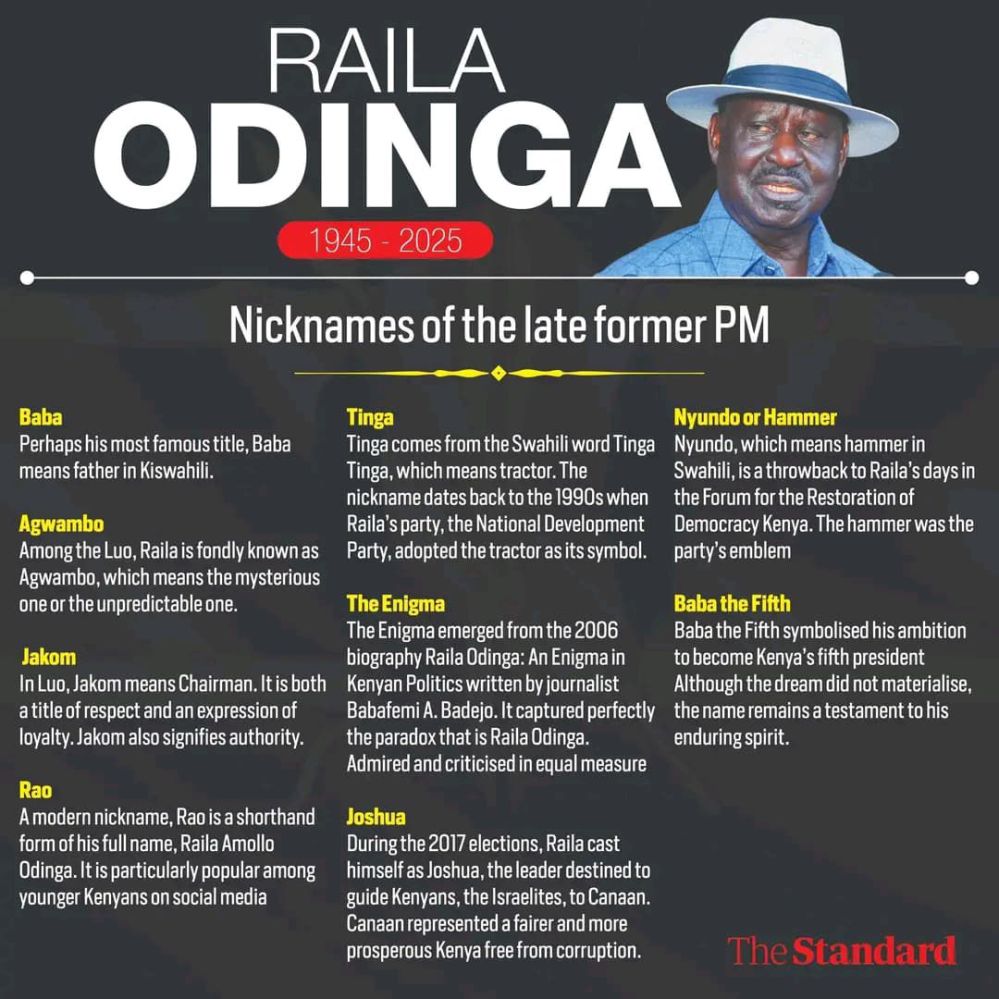
Wading through the murky waters of post-independence Kenya—dotted with political assassinations, betrayal, and the use of brute force to settle political scores—we were never afraid of any of those. The reason is simple: Raila is an enigma, a mysterious personality you can’t explain, predict, or destroy.
Oh yes, he could turn into a fly and escape an assassin’s bullet, claimed some Luo folklore. He could disappear and reappear.
So, to a proper Luo, there has been no fear that any traitor, of simply put, a human hand could bring down Raila.
But today it is the fifth day since he died; suddenly, unexpectedly, yet with finality that cannot be explained or denied. So, the enigma has finally joined the refrain of all the sons of Adam, “…and he died”.
The last time I had to process grief of such a magnitude was in 2008, when I lost my own dad, an age-mate and a great supporter of Raila.
To everyone who loved him, these past few days have been unbearable. Somewhat akin to the fresh griefs of the two disciples on their way to Emmaus:
“But we were hoping that it was He who was going to redeem Israel. Indeed, besides all this, today is the third day since these things happened” (Luke 24:21, NKJV).
In our mourning and grief, something remains clear: we do not know how to deal with death. Death is an intruder and an enemy.
Yet we can be comforted by the fact that death is in trouble, for the last enemy, that shall be destroyed is death (1 Corinthians 15:26).
Some deaths pass quietly, but there are deaths that stop a nation mid-stride. This is what Kenya has experienced since Rt. Hon. Raila Amollo Odinga breathed his last in India on the morning of October 15, 2025. Kenya did not merely lose a politician; it lost a chapter of itself. Here are some grief-laden videos from social media:
His passing did not feel like a single life fading. It felt like the extinguishing of a national flame that had burned, flickered, and stubbornly refused to go out for six decades.
Are there lessons we can learn to chart our way forward as individuals and, most importantly, as a nation? There are, and we will break it into bits and pieces.
We’ll cover:
- The weight of a name
- A man larger than politics
- The people’s mourning
- A career of paradox
- The shadow of the unfinished
- Why his death feels different
- A moral reckoning
- Faith, mortality, and the Nation’s soul
- The Living Legacy
- An epitaph in the heart
- Final reflection
Let’s begin with the weight of a name.
The weight of a name
To speak of Raila is to summon a history that stretches beyond him: the Odinga name, the Luo nation, the struggle for democracy, and the long road toward a more just Kenya.
Born on January 7, 1945, to Jaramogi Oginga Odinga—the country’s first Vice-President—Raila inherited not privilege but a burden: the expectation to keep alive a dream that began before independence and was tested through betrayal, exile, and detention.
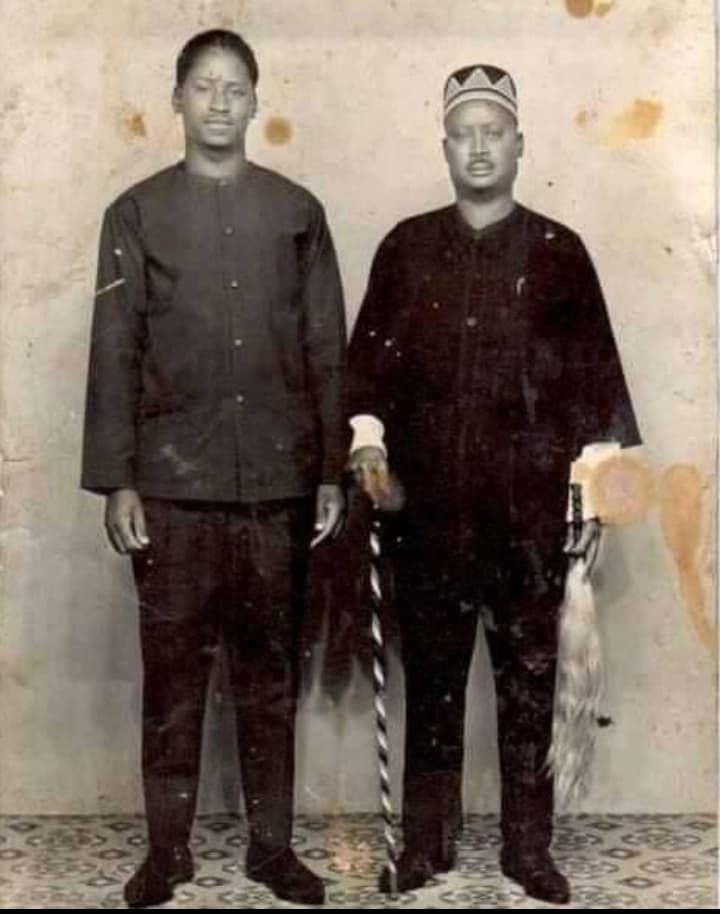
Contrary to the expectations of the general populace, it is not always a walk in the park, continuing with the legacy of a man who dared to be different. The man who refused to be the first president of Kenya, deeming Mzee Jomo Kenyatta more deserving, and demanding his immediate release.
When Kenya lost its innocence in the years after independence, it was men like Odinga who refused to accept silence as the price of peace. For decades, he became both the thorn in the side of power and the voice in the wilderness for those who believed that justice, though delayed, could not be denied forever.
Raila had to carry that name, and he could never have held it any better. Let’s now see him beyond politics.
A man larger than politics
It is easy, in the heat of political memory, to reduce Raila Odinga to election numbers, party colours, and campaign chants. Yet to stop there would be to miss the more profound truth: he was not merely a political actor, but a cultural presence—a myth in motion.
He could electrify a crowd with a single word, “Baba!” and silence a hall with a quiet pause. He spoke the language of the market woman and the university professor alike. He was not charismatic by strategy; he knew how to talk about the language of the people.
He had inroads of getting into the hearts of the people, as the Luo saying goes, “Jatelo malong’o nyak bed gi rot midonjogo kuom jii.”
To the poor, he was one of them. To the middle class, he was an enduring moral compass. To the powerful, he was the conscience they could neither buy nor break.
This can explain why the people turned out in their numbers to mourn and remember his legacy.
The people’s mourning
The spontaneous crowds at Jomo Kenyatta International Airport (forcing the government to take his casket to Kasarani Stadium instead of the parliament for public viewing), the sea of humanity in Kondele, Kibera, and Mombasa, the songs rising unbidden from Kenyan and international musicians—all these testify that this was an organic grief.
For many Kenyans, the death of Raila Amollo Odinga is personal. He represented their frustration and their hope, their disappointments and their dreams. His story mirrored the national journey—progress and pain in equal measure.
This kind of mourning cannot be manufactured. It comes from decades of shared struggle. It is the grief of a people saying, “We knew him, and he knew us.”
And there is much to learn from his almost half a century of political career.
A career of paradox
Raila’s life defies simple categories.
He was at once revolutionary and statesman, insider and outsider, hero and villain—depending on where one stood.
He spent eight years in detention for his political convictions, then later served as Kenya’s second Prime Minister (2008–2013). He fought against dictatorship, yet worked within systems he had once denounced. He challenged injustice, yet was not immune to criticism himself.
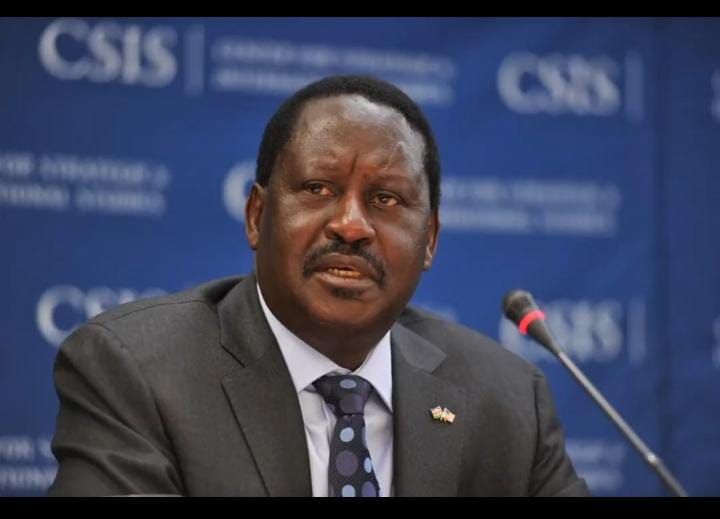
But perhaps it was this tension that made him real. He never claimed perfection. He simply claimed faith in Kenya—the faith that her people could rise above tribalism, that ballots could speak louder than bullets, and that truth could outlast propaganda.
To his ardent followers, working with the ruling regimes could be seen as stifling of convictions. Yet, in reality, some of these moments relieved the country from endless mayhem occasioned by constant public action.
And despite such a long span (speaking in modern terms of 70-80 years), there remains unfinished business.
The shadow of the unfinished
There is tragedy in Raila’s story, but also triumph.
He never ascended to the presidency he so often sought, yet few doubt that he shaped the presidency more than most who held it. He helped stabilize the ruling regimes by keeping them on their toes from the opposition side and working closely with them for the better growth of the nation.
He knew when to resist and talk tough, and when to give dialogue a chance.
And he contributed more…
The 2010 Constitution, the handshake politics, the language of devolution, and the lexicon of reform all bear his imprint. His opponents might have out-counted him, but they could not out-narrate him. He gave Kenya a moral vocabulary for dissent and reform.
Still, he leaves behind unfinished business—the Kenya he dreamed of but never fully saw.
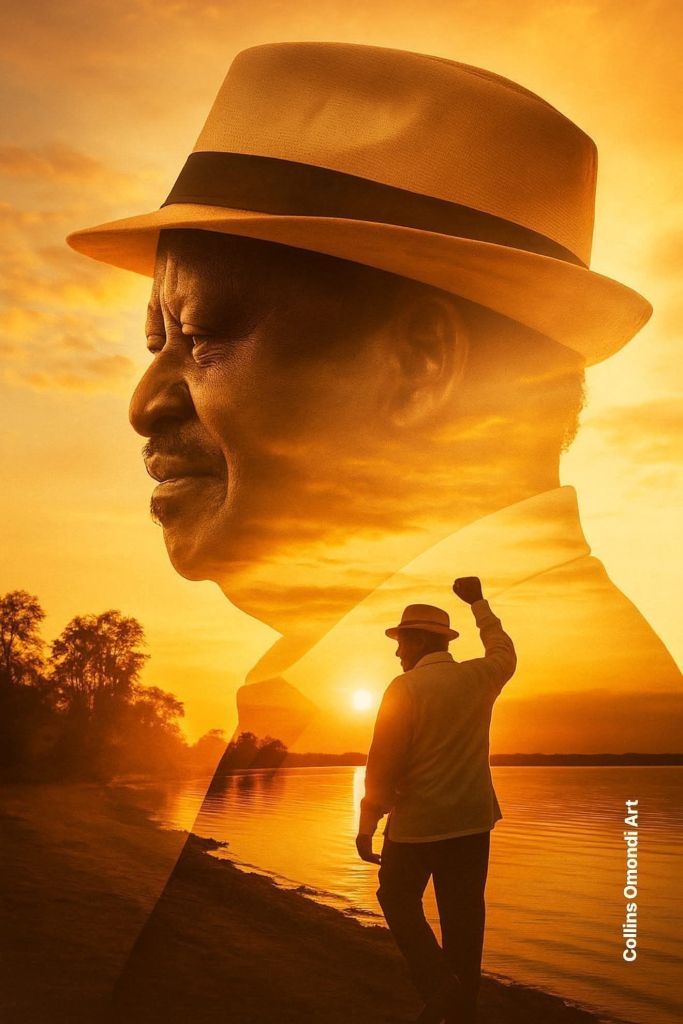
It echoes Moses’ moment on Mount Nebo:
“Then Moses went up from the plains of Moab to Mount Nebo, to the top of Pisgah, which is across from Jericho. And the Lord showed him all the land of Gilead as far as Dan, all Naphtali and the land of Ephraim and Manasseh, all the land of Judah as far as the Western Sea, the South, and the plain of the Valley of Jericho, the city of palm trees, as far as Zoar. Then the Lord said to him, “This is the land of which I swore to give Abraham, Isaac, and Jacob, saying, ‘I will give it to your descendants.’ I have caused you to see it with your eyes, but you shall not cross over there” (Deuteronomy 34:1-4, NKJV).
So too, Raila stood on the mountain of national reform, glimpsed a new Kenya, but did not cross into it. The journey now belongs to others. I mean, you and me, and whoever wields the power of decisions at the national level to carry forward the journey to the promised land.
You must have been waiting keenly to see why Raila’s death is different. Let’s touch on that.
Why his death feels different
There is death, and then there is this death.
Many public figures die, but few cause a nation to pause its politics, to sing, to cry, to argue, and to pray all at once.
Why? Because Raila was not merely a leader; he was a mirror. Through him, Kenyans saw their own contradictions—our tribal tensions, our resilience, our yearning for justice, and our capacity to forgive.
When such a man dies, we do not only lose a person; we confront ourselves. His absence calls us to ask ourselves questions. How can we do better?
Even the birds were concerned…
And thus Rt. Hon. Raila Amollo Odinga remains a moral windvane for the nation.
A moral reckoning
His death also demands that we, as a nation, reckon with the question: What becomes of a people’s conscience when its loudest voice falls silent?
Raila Odinga’s courage in opposing authoritarianism was not rooted in convenience but in conviction. It cost him years in prison, exile, and heartbreak. He had to be away from his family, and as Sera Bi Ali writes, it cost his wife, Mama Ida Odinga, her Job at Kenya High School:
“Ida had been sacked from her teaching job “in the public interest.” That came after she took the State to court in 1988 to demand Raila’s release. A letter of retirement was delivered to her at Kenya High School on September 12, 1988, telling her to handover all school property and leave within six hours.”
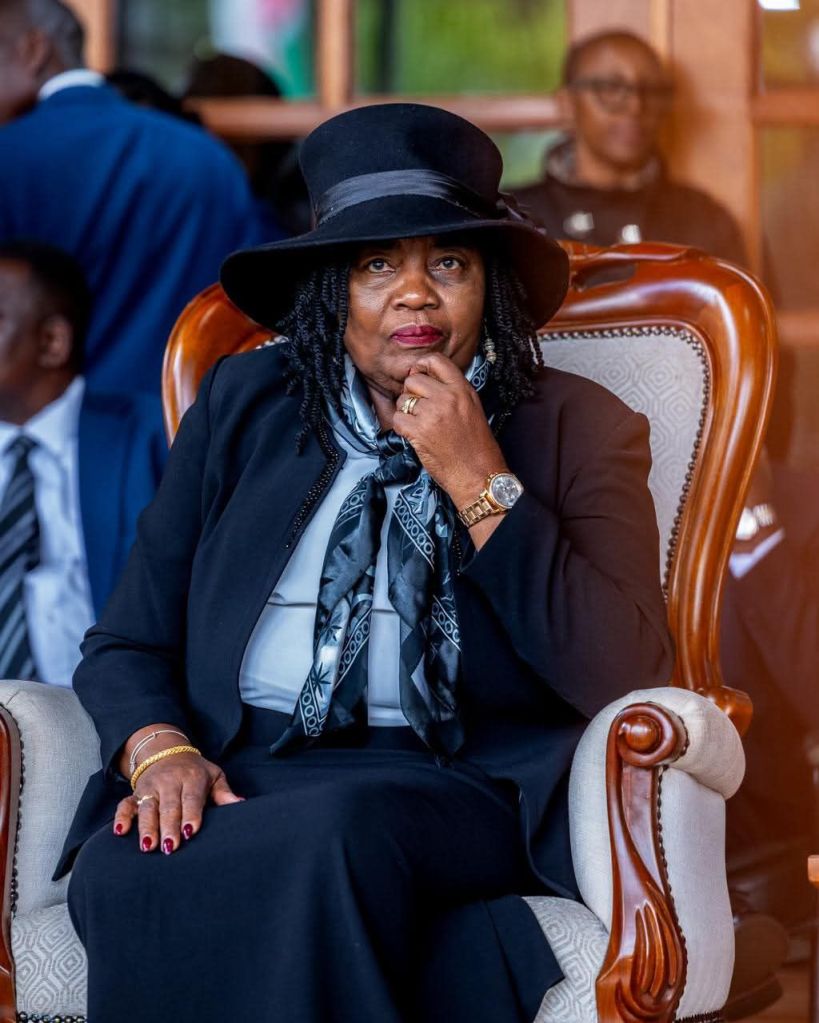
If we mourn him only sentimentally, we risk missing the moral inheritance he left behind: the insistence that Kenya must always be bigger than the interests of those who govern it.
A proper tribute to Raila is not a statue or a slogan. It is a renewed commitment to honesty in leadership, fairness in opportunity, and dignity for every Kenyan regardless of tribe or class.
And we can’t miss the opportunity to learn something about death itself.
Faith, mortality, and the Nation’s soul
Death humbles us all. I pity the clergy who bear the burden of preaching at our funerals.
In moments like this, we remember that no human life—however grand—escapes the final silence.
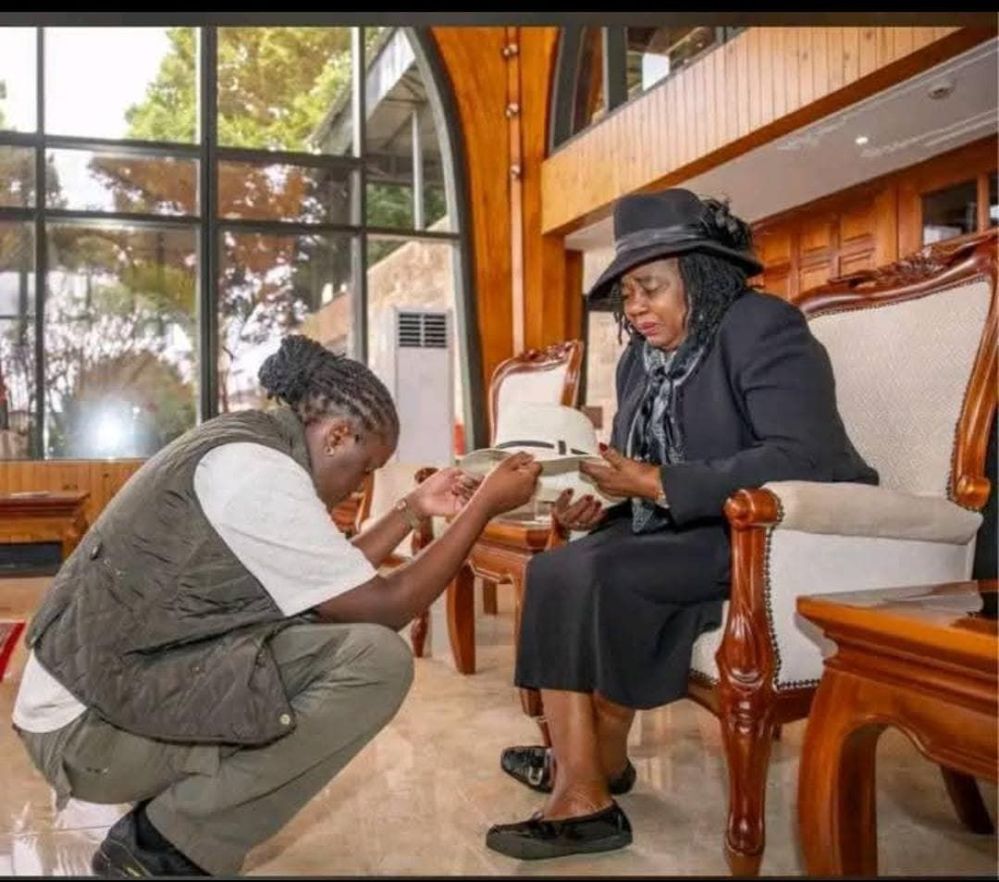
As Scripture reminds us, “…For what is your life? It is even a vapor that appears for a little time and then vanishes away” (James 4:14, NKJV).
Yet, if our lives are vapour, they can still leave fragrance. Raila’s did.
He was not perfect—no one is—but he was present: persistently, inconveniently, courageously. He dared to care about the destiny of a nation, and that alone is rare.
In a land often seduced by cynicism, his life reminds us that conviction still matters, that courage still costs something, and that history still rewards those who stand when others kneel.
We verily have something to say about his legacy.
The Living Legacy
So, what now?
The outpouring of grief must become more than nostalgia. The baton he carried is not meant for museum glass as a memento to be viewed. Instead, it belongs in the hands of a new generation. The Millennials and Gen Zs, where are you?
If Raila’s life taught us anything, it is that democracy is not a moment but a movement. It demands vigilance, dialogue, and sacrifice.
The youth who chant his name today must translate that emotion into ethical leadership tomorrow. The politicians who quote him must embody the transparency he demanded. The citizens who mourn him must keep demanding truth from power.
In the end, the real memorial to Raila Amollo Odinga will not be a mausoleum in Kisumu, but a Kenya that works for everyone.
An epitaph in the heart
When history is written, Raila’s place is secure.
Not because he won every election, but because he refused to let Kenya lose its moral compass. He reminded us that democracy is not a destination, but a dialogue between power and principle.
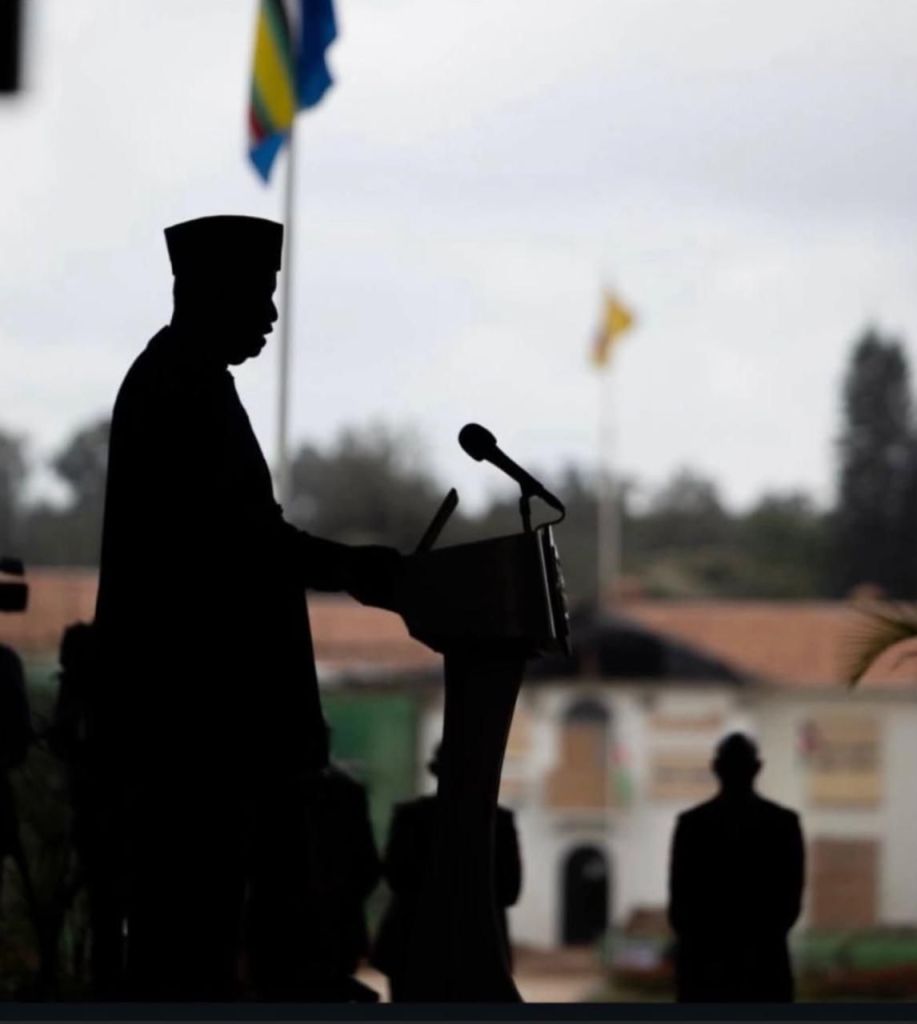
Perhaps the best words to close with are his own, spoken years ago after yet another electoral disappointment:
“Kenya is bigger than Raila Odinga”
Today, those words ring prophetic. Kenya indeed remains bigger, but she is also better because of him.
Final reflection
There is death, and there is the death of Raila Amollo Odinga:
“Ordinary death ends a life; this one challenges a generation.”
Tweet
It calls us to rise above our tribal reflexes, to repair our civic conscience, and to keep faith with the ideals that once made a young man from Kisumu stand before presidents and dictators alike and say, “Kenya can do better.”If we heed that call, his death will not be the end of a story, but the spark of a new one.
And if we do not, his silence will judge us more eloquently than his speeches ever did.

 The Cleaver