
The phrase “end of the world” stirs up powerful images—natural disasters, societal collapse, and global chaos. For many, it’s a topic wrapped in fear, mystery, or even skepticism.
But beyond the sensational headlines and movie plots lies a more profound question: What does the Bible actually say about the end of the world, and should we be afraid?
Curious about how biblical prophecy meets present-day reality—and what it means for your future? Keep reading as we uncover timeless truths that bring peace, clarity, and hope in a world filled with uncertainty.
This article will explore the biblical perspective on the end times and unpack what it really means when Scripture speaks of the world’s end.
We’ll look at:
- What “The End of the World” Means in the Bible
- Signs the Bible Gives About the Last Days
- Why the “End” is Actually the Beginning of Hope for Believers
- Misconceptions About End-Time Predictions and Dates
- How to Live Wisely and Faithfully in Light of What’s to Come
- Final Thoughts
Let’s begin by understanding what “the end of the world” means according to the Scriptures.
What “The End of the World” Means in the Bible
As little children, we struggled to wrap our heads around the concept of the end of the world. Imaginations of destruction of the tangible realities of the earth wrapped themselves around every discourse in this matter.
But what does the Bible have to say?

According to Scripture, the “end of the world” isn’t about the Earth ceasing to exist. It’s about the culmination of history as we know it and the return of Jesus Christ. The Bible foretold that the end times will mark the close of a broken world system marred by sin, and usher in a new beginning under God’s perfect reign. This eschatological event isn’t just an end, but a renewal.
In Matthew 24, Jesus gave a clear outline of the events leading to His second coming. He spoke of wars, famines, false prophets, and worldwide turmoil, but also assured His followers that “the one who endures to the end will be saved” (Matthew 24:13, NLT).
The Bible’s vision of the end centers not on destruction, but on restoration. Revelation promises a “new heaven and a new Earth” where “God will wipe away every tear” (Revelation 21:1-4).
The end, then, is not something to dread, but something to prepare for with hope.
But how do we know we’re in the end times?
Signs the Bible Gives About the Last Days
Jesus’ words in Matthew 24 describe unmistakable signs: political upheaval, moral decay, natural disasters, and the rise of false messiahs. These world conditions are signs, not to create panic, but to call people to spiritual readiness.
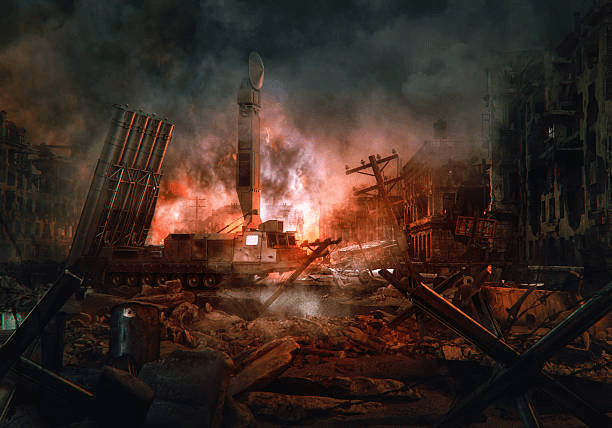
One of the most striking biblical prophecies is found in Matthew 24:14: “And this gospel of the kingdom will be preached in all the world as a witness to all the nations, and then the end will come” (NKJV).
This worldwide proclamation of the gospel is a critical milestone in God’s timeline.
As current events unfold—wars in Israel, the global spread of the gospel via digital platforms, and increasing natural catastrophes—many people wonder whether these are signs of the great tribulation or just the beginning of sorrows. Regardless, the Bible encourages believers not to focus on predictions or dates, but on staying faithful.
Why the “End” is Actually the Beginning of Hope for Believers
Far from fear, the end comes with hope to believers.
As Ellen G. White wisely reflected:
“We have nothing to fear for the future, except as we shall forget the way the Lord has led us, and His teaching in our past history” —Life Sketches, p. 196.
We are reminded that even in uncertain times, God’s past faithfulness is our anchor for the future.. This counsel reminds us that even in uncertain times, God’s past faithfulness is evidence of His trustworthiness in the future.
While the idea of the end can spark fear, the Bible paints a picture of profound hope. For believers, the end of the world is the beginning of a glorious eternity with God. It marks Christ’s second return, the resurrection of the righteous, and the establishment of God’s eternal kingdom.

1 Thessalonians 4:16-17 describes a great event where the faithful are caught up to meet Jesus. There is no fear in this moment—only reunion, redemption, and restoration.
For those who trust in Jesus, the end times signify the fulfillment of every promise God made through His prophets.
Tweet
Moreover, this hope fuels perseverance. As we seek meaning beyond success, many believers long for a deeper hope that goes beyond the daily grind. Understanding that the world is not spiraling out of control, but toward a divine conclusion, brings peace in chaos.
As we seek biblical clarifications on the end times, we must watch out for misconceptions and speculations that bring fear and confusion.
Misconceptions About End-Time Predictions and Dates
The desire to predict the exact timing of Christ’s return has led many astray, but biblical and Spirit of Prophecy writings caution against such speculation.
Ellen G. White gave profound thoughts on dealing with speculations regarding end times:
“Instead of exhausting the powers of our mind in speculations in regard to the times and seasons which the Lord has placed in His own power, and withheld from men, we are to yield ourselves to the control of the Holy Spirit, to do present duties, to give the bread of life, unadulterated with human opinions, to souls who are perishing for the truth” —Selected Messages, Vol. 1, p. 186.
She further warned:
“Time has not been a test since 1844, and it will never again be a test” —Early Writings, p. 74
Thus, she reminds us to shift our focus from timing predictions to spiritual readiness..

Over the years, countless predictions have tried to pinpoint the exact time of the end. From Mayan calendars to numerology-based forecasts, people have long attempted to know what Jesus clearly said we would not know:
“But of that day and hour no one knows, not even the angels of heaven, but My Father only" (Matthew 24:36, NKJV).
Biblical prophecy warns against sensationalism. The book of Revelation and other apocalyptic texts aren’t meant to scare or confuse, but to equip the church to live wisely. Jesus emphasized readiness, not date-setting.
Instead of chasing timelines, Christians are called to recognise the seasons, stay grounded in the gospel, and live as if Christ could return at any time. Proper understanding of bible prophecy leads not to fear, but to faithfulness.
So how do we live well and faithfully amidst the cusps of global landmarks and the unfolding of the signs of the times?
How to Live Wisely and Faithfully in Light of What’s to Come
In this waiting time, it’s easy to become spiritually distracted or complacent.
But we should not be found sleeping on guard. We shouldn’t by attitude or works suggest that our master is delaying his coming.

From the Parable of The Faithful Servant and the Evil Servant (Mathew 24:45-51), the Bible calls the faithful to live in expectation and action rather than passive delay.’
So what now?
If we know that the world as we know it will end, and Jesus will return, how should we live?
The Bible gives us a roadmap:
- Stay awake and alert: Be spiritually vigilant (Matthew 25:13).
- Preach the gospel: Join the worldwide proclamation Jesus spoke of (Matthew 24:14).
- Live righteously: Reflect Christ’s love and truth in your personal life.
- Support your community: Help the church prepare others for Christ’s return.
- Trust in God’s timeline: No matter what events unfold, God is in control.
And as The King’s Heralds Quartet sings, we should hold on a little longer, for Jesus has promised His love to the end.
The end times aren’t just about future events. They’re a call to present faithfulness. Whether you’re a parent, a professional, a student, or a seeker, now is the time to deepen your relationship with God, find your purpose in His plan, and be a light in a world that’s searching for answers.
Final Thoughts
The Bible foretold many of the events we see today, but it never calls us to live in fear. It calls us to faith. God has a plan for this world—a plan of redemption, restoration, and renewal.
The question is not “when will the end be?” but rather, “are we ready for what comes next?”
If you’re seeking clarity, truth, and peace about the future, explore more of what the Bible says. The answers are not hidden. They’re just waiting to be discovered.
Want to explore more on Bible prophecy, hope, and end-time events?
Visit the Spiritual Insights section of The Cleaver to dive deeper into end-time themes and timeless truths that prepare you for what’s coming next.
Here are two thought-provoking articles to begin your journey:
- “The Death of Pope Francis and Its Significance in End-Time Prophecy” – Gain insight into how recent global events may relate to the fulfillment of biblical prophecies and what it could mean for believers today. This article offers a balanced, Bible-based perspective on interpreting unfolding world events through a prophetic lens.
- “Nominal Conversion and Its Consequences: A Case of Constantine the Great“
Explore how shallow religious commitment in history led to profound consequences for the church. Learn lessons from Constantine’s era that apply to today’s world, especially as the gospel continues its worldwide proclamation.
Let these resources guide your steps in understanding God’s plan and living with faithful anticipation.

 The Cleaver