Ever found yourself torn between two convincing viewpoints—both rooted in truth, yet pointing in different directions?
Whether it’s decisions about relationships, finances, parenting, or faith, life often presents us with choices that aren’t about right versus wrong, but right versus right. While navigating a world of mixed messages and moral gray areas, discerning the wisest path can feel overwhelming.
In this article, we’ll explore how the Bible offers timeless principles to help us navigate such dilemmas with confidence and spiritual clarity.
You’ll learn:
- Why Two “Right” Opinions Can Coexist—And How to Interpret That Biblically
- How to Test Advice Using Scriptural and Spiritual Filters
- Practical Questions to Ask When Making a Decision
- Real-Life Examples of Biblical Characters Facing Similar Choices
- How to Find Peace in Your Decision-Making Through Prayer and Trust
- The Courage to Choose
If you’re caught between two good choices and need clarity, this guide is for you. Let’s uncover how to lean into faith, not fear, and make decisions that honour both God and your personal journey.
Why Two “Right” Opinions Can Coexist—And How to Interpret That Biblically
Sometimes, both options in front of you align with your values, support your goals, and even feel right. This cognitive dissonance can be paralyzing, especially for those grappling with vision-based decisions that affect the long-term future.
But the Bible reveals a critical truth: God often allows room for discernment, not just obedience.
In the book of Proverbs, we’re reminded of a significant truth:
"Trust in the Lord with all your heart, And lean not on your own understanding; In all your ways acknowledge Him, And He shall direct your paths" (Proverbs 3:5-6, NKJV).
This doesn’t negate reason but invites a deeper layer of trust and spiritual clarity when making confident decisions.
Multiple paths may be permissible, but one may better align with your current season, purpose, or calling.
“We have nothing to fear for the future, except as we shall forget the way the Lord has led us…”
— Life Sketches, p. 196
Once you acknowledge the possibility of multiple right answers, the next step is learning how to test them. That leads us to your spiritual filter.
How to Test Advice Using Scriptural and Spiritual Filters
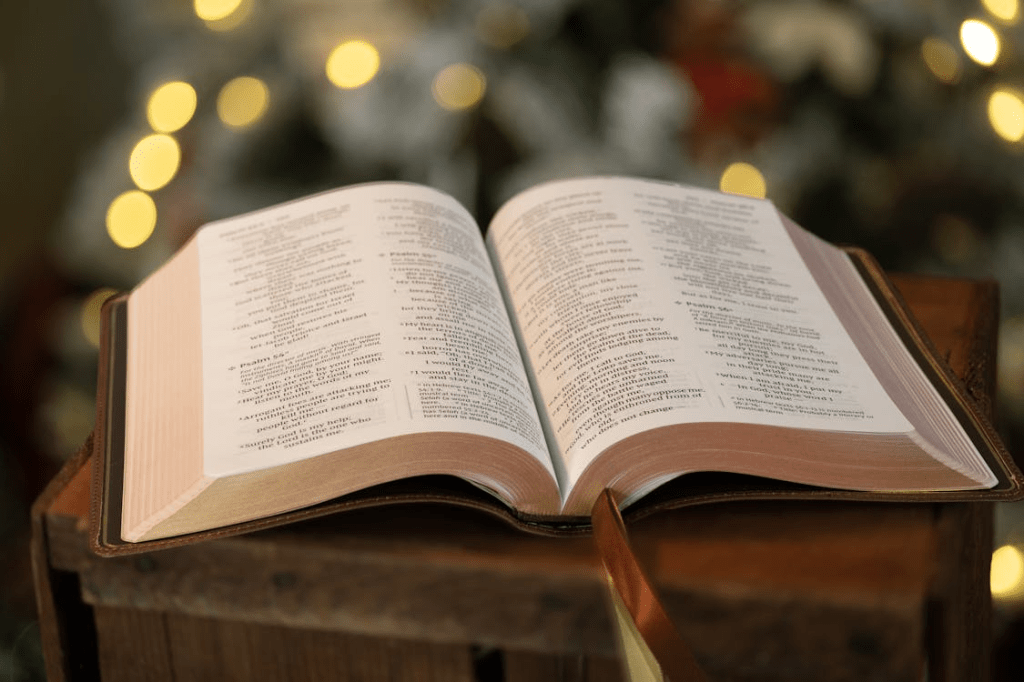
Overanalyzing advice from friends, media, or personal intuition can lead to indecision. To avoid the trap of overthinking and perfectionist tendencies, use Scripture as your foundation.
Ask:
- Does this align with biblical principles and God’s character?
- Would Jesus affirm this decision if He were in the room?
- Does it pull me closer to or farther from my faith?
Paul’s counsel to the saints at Thessalonica is still profound:
"Test all things; hold fast what is good" (1 Thessalonians 5:21, NKJV).
Use the Bible not as a checklist, but as a compass. When you test opinions through spiritual lenses, you reduce the risk of regret and avoid staying stuck in a comfort zone masked as wisdom.
“The Bible is our guide in safe paths, the light to show us the way to heaven.”
— Testimonies for the Church, Vol. 5, p. 665
After you’ve filtered the advice, clarity begins to form. But how do you know which direction to take? This is where asking the right questions becomes key.
Practical Questions to Ask When Making a Decision
Big decisions demand thoughtful questions.
These aren’t meant to overcomplicate but to ground your reasoning in reality, values, and faith.
Here are a few to guide you:
- What are the potential long-term consequences of each choice?
- What decision best reflects the person God is calling me to become?
- Which choice brings peace, not just comfort?
- Am I procrastinating because of fear, or is this an invitation to wait on God?
These questions help you move from grappling with indecision to making confident decisions rooted in clarity and biblical values.
“Prayer and faith will do what no power on earth can accomplish.”
— The Ministry of Healing, p. 509
To reinforce these principles, it helps to reflect on real-life stories from Scripture—narratives where others made tough decisions between seemingly good paths.
Real-Life Examples of Biblical Characters Facing Similar Choices
The Bible is filled with men and women who made hard choices, often between two paths that both seemed right.

And, “…all these things happened to them as examples, and they were written for our admonition…” (1 Corinthians 10:11, NKJV).
Let’s look at a few.
- Abraham had to choose between staying in Haran—comfortable and familiar—or stepping into the unknown because of God’s promise and calling (Genesis 12).
- Esther faced the risk of remaining silent or speaking up to save her people, potentially at the cost of her life (Esther 4).
- Paul had to choose where to travel and preach, often redirecting his mission based on spiritual insight (Acts 16:6-10).
Each of these examples shows how clarity doesn’t always come before action. Sometimes, trust precedes understanding.
“In the annals of human history, the growth of nations, the rise and fall of empires, appear as dependent on the will and prowess of man… But in the word of God the curtain is drawn aside, and we behold, behind, above, and through all the play and counterplay of human interest and power and passions, the agencies of the all-merciful One…”
— Education, p. 173
So, how do you get to that place of trust, especially when decisions remain uncomfortable and unclear? The answer lies in cultivating a lifestyle of prayer and surrender.
How to Find Peace in Your Decision-Making Through Prayer and Trust
Decision-making, especially when both options seem reasonable, often invites anxiety, self-doubt, and fear.
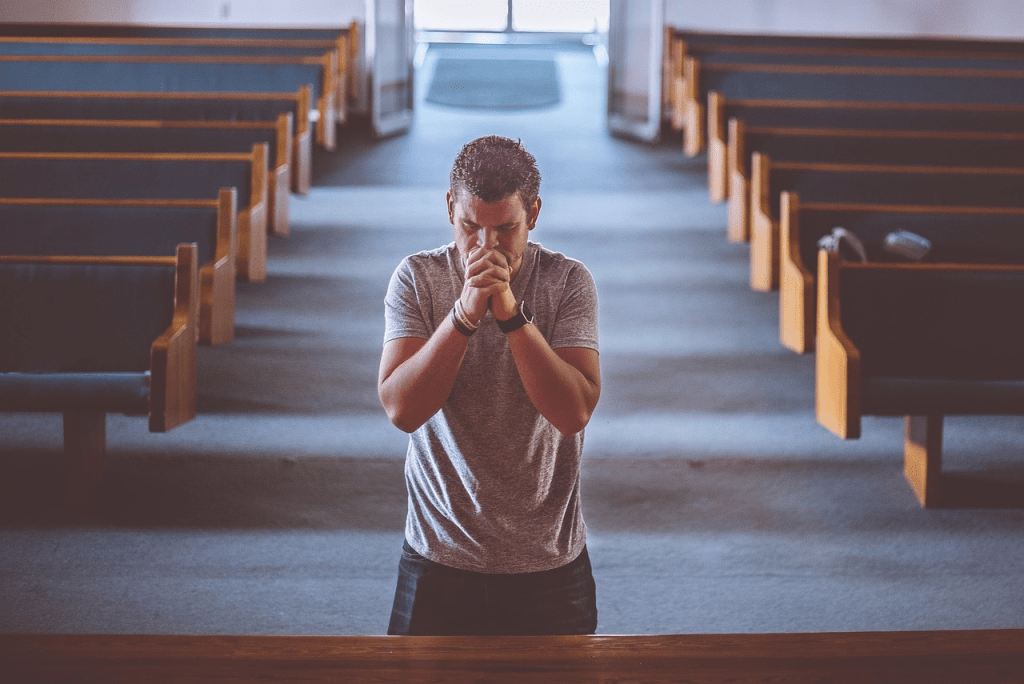
But Scriptures give us a prescription:
"Be anxious for nothing, but in everything by prayer and supplication, with thanksgiving, let your requests be made known to God; and the peace of God, which surpasses all understanding, will guard your hearts and minds through Christ Jesus" (Philippians 4:6-7, NKJV).
Prayer turns the uncomfortable into the bearable. It transforms overthinking into trust. It brings vision-based decisions out of the shadows of indecision and into the light of God’s peace. Surrender isn’t passive. It’s the act of trading control for clarity.
“Our heavenly Father has a thousand ways to provide for us, of which we know nothing. Those who accept the one principle of making the service and honor of God supreme will find perplexities vanish, and a plain path before their feet.”
— The Desire of Ages, p. 330
As you bring your thoughts to God, trust that He will not let you fall. Even if the path you choose carries risk or uncertainty, your foundation in prayer ensures you won’t walk it alone.
The Courage to Choose
Making a decision when both paths seem right is one of the toughest challenges for anyone seeking to live with faith, integrity, and vision.
But by understanding that multiple “right” choices can exist, filtering options through Scripture, asking grounded questions, reflecting on biblical examples, and leaning into prayer, you can choose with confidence.
Don’t let perfectionist tendencies or fear of the consequences keep you stuck. God honors the heart that seeks Him. Step forward, not with the pressure to be perfect, but with the peace of knowing you chose with wisdom, trust, and love.

 The Cleaver