Our understanding of who God is and how He operates is crucial in shaping our relationship with Him.
For most of us, we are accustomed to seeing powerful yet unaccountable individuals. This could be the motivation for many people to seek power, as it allows them to operate in a space where no one questions them or is privy to the secrets of the powerful.
However, here is a powerful revelation about God: His responsible and accountable use of power. There is no bureaucracy or red tape in God’s government. It is evident that God doesn’t view his people as slaves or servants, but as part of His family and friends.
We’ll cover:
- Context
- Shall I Hide from Abraham?
- The Reason for Revelation
- Righteousness and Justice: The Twin Foundations
- God Reveals His Secrets to Those Who Fear Him
Context
“And the Lord said, ‘Shall I hide from Abraham what I am doing, since Abraham shall surely become a great and mighty nation, and all the nations of the earth shall be blessed in him?
For I have known him, in order that he may command his children and his household after him, that they keep the way of the Lord, to do righteousness and justice, that the Lord may bring to Abraham what He has spoken to him” (Genesis 18:17-19, NKJV).
In the quiet space between promise and judgment, God pauses.
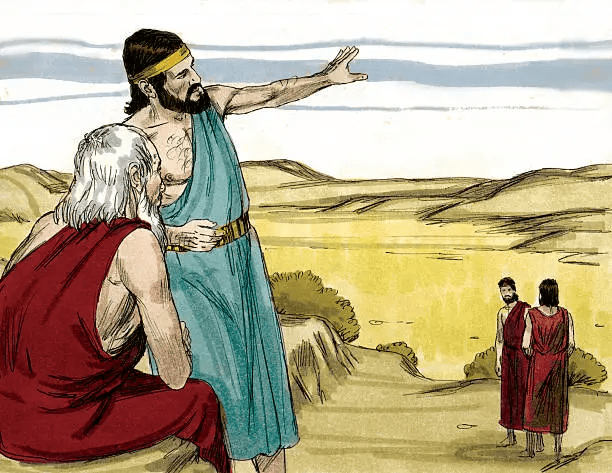
As Abraham walks with the Lord toward Sodom, something unexpected happens. God does not merely act; He reflects. He turns, as it were, to speak a thought aloud:
“Shall I hide from Abraham what I am doing?”
It is a moment of divine deliberation, but it is not a moment of indecision. God is not uncertain of His plan. He is sure of something else: His relationship with Abraham, and what that relationship demands.
This is not a question of confidentiality, but rather a matter of calling. Abraham is not just a recipient of blessing—he is to become a conduit of righteousness, a teacher of justice, a father of a faithful nation.
In this ninth entry of Questions God Asks, we listen closely to this profound question, not just as it relates to the fate of Sodom, but to the formation of God’s people. What does it mean that God “knew” Abraham? What does it mean to “keep the way of the Lord”? And why is this knowledge—the knowledge of judgment—necessary for Abraham’s calling?
Shall I Hide from Abraham?
God’s question—“Shall I hide from Abraham what I am doing?”—is remarkable in its vulnerability. This is the Creator of heaven and earth, preparing to judge a city for its wickedness, and yet He pauses to consider: Should I tell My friend what I am about to do?
This is the language of covenantal friendship.
It’s not the first time God has spoken with Abraham. But it is the first time He reveals something of this moral and judicial weight. God had previously promised blessing and land, but now He speaks of judgment. And in doing so, He entrusts Abraham with more than information. He entrusts him with responsibility.
This moment is echoed later in Scripture when Jesus says to His disciples:
“No longer do I call you servants… but I have called you friends, for all things that I heard from My Father I have made known to you” (John 15:15, NKJV).
But why did God trust Abraham with such weighty matters?
The Reason for Revelation
The divine question of verse 17 finds its full answer in verse 19:
“For I have known him…”
The Hebrew word for “known” here is יָדַע (yadaʿ), a rich term that implies more than mere awareness. It conveys relationship, choice, intimacy, and purpose. This is the same word used to describe God’s foreknowledge and electing love elsewhere in Scripture (Amos 3:2; Jeremiah 1:5).
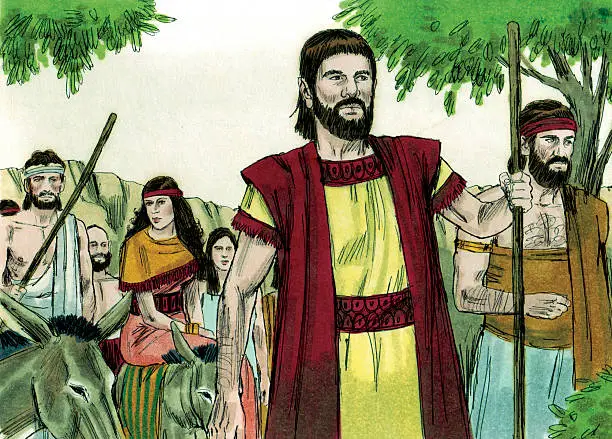
God “knows” Abraham—not just as a recipient of blessing, but as a vessel of legacy.
“…in order that he may command his children and his household after him, that they keep the way of the Lord, to do righteousness and justice…”
God reveals His judgment to Abraham because He is shaping him to be a model and teacher of righteousness. The weight of God’s justice must rest on Abraham’s shoulders—not to crush him, but to equip him.
To raise a faithful nation, Abraham must understand the character of the God they serve. He had a large household of servants, and through him, God would establish a special people. He, therefore, must start on a good foundation of understanding how God works.
This is covenantal discipleship:
- Personal: “I have known him.”
- Instructional: “He may command his children…”
- Moral: “To do righteousness and justice.”
- Missional: “That the Lord may bring to Abraham what He has spoken.”
But on what is this divine encounter pegged?
Righteousness and Justice: The Twin Foundations
Verse 19 introduces two core themes of biblical ethics: righteousness (צְדָקָה, tsedaqah) and justice (מִשְׁפָּט, mishpat).
- Righteousness is right living in a covenant relationship.
- Justice is proper dealing with others, especially the vulnerable and oppressed.
These are not optional virtues. They are the very way of the Lord (v. 19). And the irony of this passage is that while Sodom will be judged for its failure in these areas, Abraham is being trained to model them.
God reveals judgment not to inflame vengeance but to form character. Abraham is to be an agent of justice, not only pleading for cities but instructing future generations.
In his earlier encounters with the doomed city, Abraham had saved them with his sword (Genesis 14). But now he endeavoured to save them by prayer and intercession.
It is also crucial to note that this question comes right after God renews His promise of blessing to Abraham (vv. 10–15) and just before the destruction of Sodom (chs. 18–19). These are not disconnected themes.
Blessing in Scripture always carries responsibility.
Abraham is chosen, not instead of the nations, but for the sake of the nations. To intercede. To teach. To model a covenant life rooted in holiness and compassion.
So when God asks, “Shall I hide from Abraham what I am doing?” He is drawing a line between knowing God and participating in God’s moral mission.
God Reveals His Secrets to Those Who Fear Him
The God who asked, “Shall I hide from Abraham…?” is the same God who still whispers to those who seek Him:
“The secret of the Lord is with those who fear Him, and He will show them His covenant” (Psalm 25:14, NKJV).
He “knew” Abraham so that Abraham could know Him—not only in the comfort of promises but in the weight of responsibility. And we, as children of Abraham by faith, are invited into that same pattern:
- To hear God’s heart.
- To walk in His ways.
- To teach our households.
- To intercede on behalf of the cities around us.
From the first question in Eden—“Where are you?”—to this one, “Shall I hide from Abraham what I am doing?”, we see a God who speaks, reveals, and invites us to share in His work.
So we ask ourselves:
- Have I been listening when God speaks?
- Am I shaping my home and community around righteousness and justice?
- Do I see divine revelation as an invitation to act?
God has not hidden Himself from us.
He has spoken through His Word, through His Son, and His Spirit.
The question now is not whether He will speak, but whether we will walk in what He has shown us.
Every divine revelation in Scripture is God revealing to us what He does. May we use it to be a blessing to people under our care and those around us.

 The Cleaver
2 thoughts on “Questions God Asks #09: Shall I Hide from Abraham What I Am Doing?”